
Omoda and Jaecoo Set Sights on Canada, Teasing a 2026 Arrival
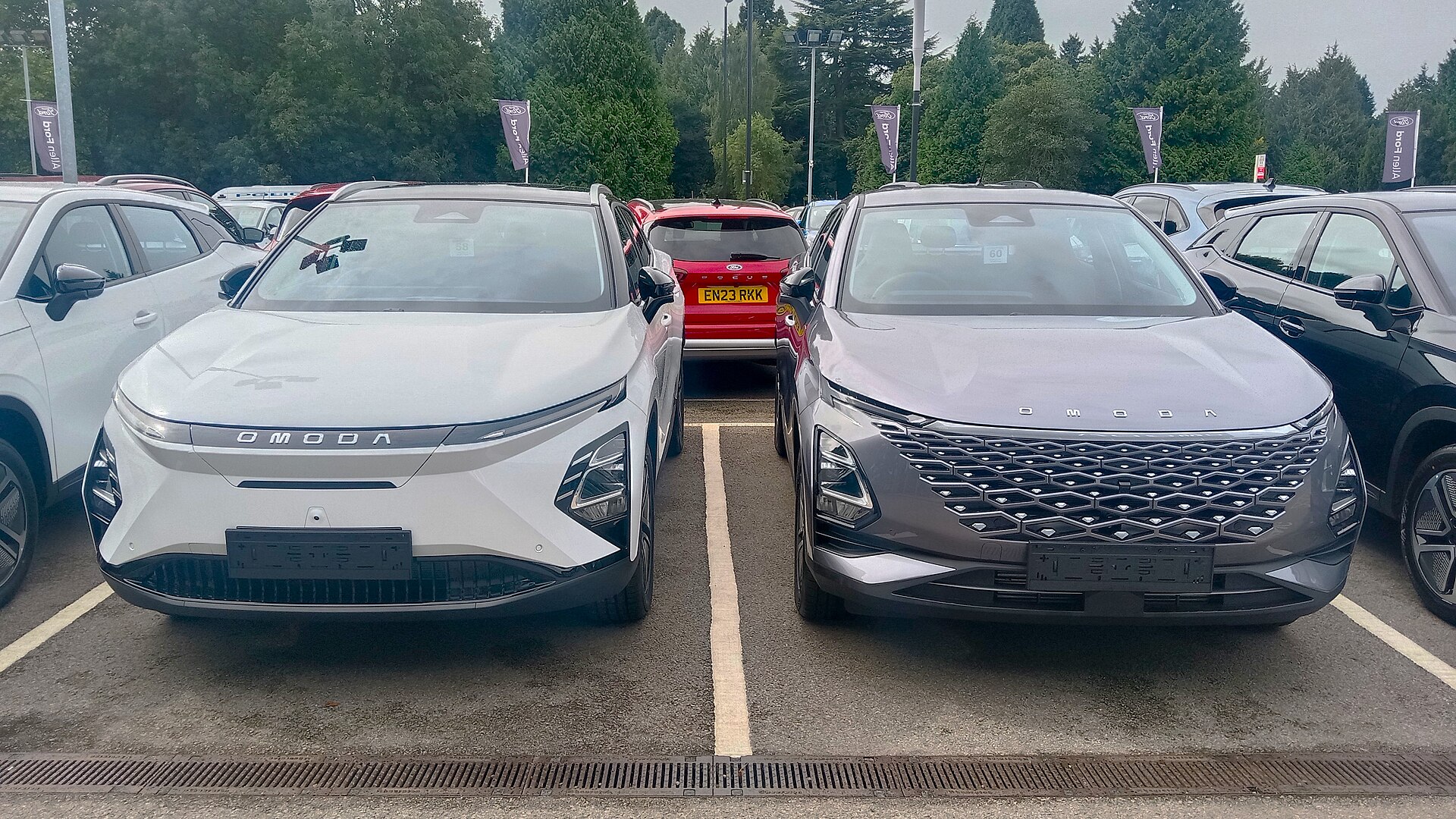
Chery’s Omoda and Jaecoo nameplates have quietly flipped the switch on a Canadian web presence, signaling that their “premium electric SUVs” will reach the country toward the tail end of 2026. The page is thin on substance: no models, no pricing, no dealers. Visitors get a sign-up form and a promise that a nationwide retail network is being assembled, with locations to be revealed closer to launch. A disclaimer notes that the vehicles pictured are aimed at other markets and may never cross into Canada, which suggests the final product mix is still being decided.
The timing is no accident. Ottawa trimmed its 100% levy on Chinese-built EVs down to 6.1% earlier this year, opening a quota that permits up to 49,000 electrified imports annually, climbing to 70,000 by 2030. Crucially for Chery, the quota counts plug-in hybrids and hybrids alongside pure battery models — a huge advantage given that most of what Omoda and Jaecoo sell worldwide is PHEV. Chery has been laying groundwork for months, filing Canadian trademarks and running Jaecoo test mules in Ontario. BYD is preparing its own Canadian retail push, and Tesla is already exploiting the tariff window with a Shanghai-assembled Model 3.
Chery is keeping quiet about which vehicles Canada gets, but the global catalog offers clues. A compact electric SUV, the Jaecoo E5, is the strongest candidate after being spotted testing in Ontario, pairing a 60.9 kWh pack with 399 km of WLTP range and a starting price around £27,505 in Britain. Its Omoda E5 sibling rides similar hardware with 430 km of range, while the newer Omoda 4 brings a larger 65 kWh LFP battery and faster DC charging. Most of the family, though, is plug-in hybrid: the Jaecoo 7 and Omoda 7 midsizers, the three-row Jaecoo 8, and the flagship Omoda 9, all offering 90 km or more of electric-only running. The brand’s electrified pitch may ultimately lean more on PHEV volume than on pure EVs.
What do you think?