
Octopus FleetBoost Aims to Trim Business EV Public Charging Bills
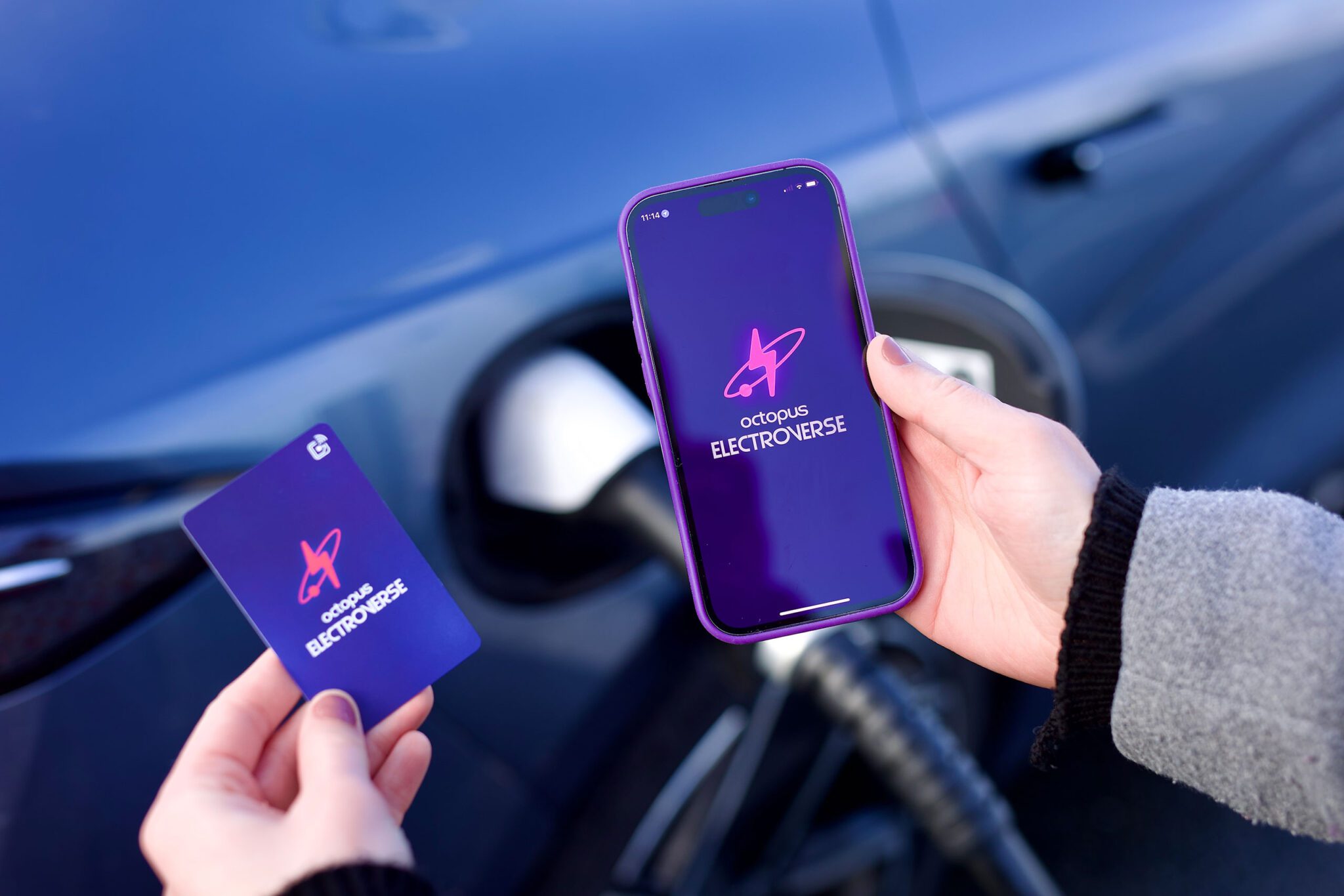
Octopus has rolled out a new programme aimed squarely at the running costs that keep fleet managers awake at night. Called FleetBoost, the scheme is designed to cut what businesses pay when their electric vehicles top up on public networks, with the company claiming savings of as much as 30%.
The pitch rests on two pillars: price and reach. On the money side, Octopus estimates the maximum annual saving could reach £730 (roughly US$971) per vehicle. Three charge point operators — Ionity, Be.EV and MFG EV Power — are already on board from day one, and Octopus says more are expected to follow. On coverage, the company claims that 99% of UK areas served by the scheme lie within 14 miles (23km) of a participating charger, with 95% falling inside nine miles (14km).
FleetBoost sits inside the existing Octopus Fleet platform, which already supports businesses across the UK and 13 other European countries. That platform handles home charging reimbursement alongside public charging, and issues a Visa-backed card intended for mixed fleets that still run combustion vehicles next to their EVs. Octopus is positioning the whole package as a challenger to traditional fuel cards, effectively bidding for the business spending that has historically flowed to petrol and diesel forecourts.
There are caveats worth noting. Octopus has not disclosed how the £730 figure was arrived at, and both savings numbers represent maximums rather than guarantees. The company’s wider Electroverse service, meanwhile, already gives drivers access to more than 1.5 million charge points across 40 countries — a reminder that Octopus is building on an existing infrastructure play rather than starting from scratch.
Matt Davies, Founder of Octopus Fleet, framed the launch around the practical hurdles that still slow commercial EV adoption. He said businesses need charging to be affordable, reliable and easy for drivers to use, and that the scheme is an attempt to address those issues together. By joining forces with some of the UK’s largest charging brands, he argued, the company can help speed up the shift to commercial EVs while reducing public charging costs for fleets. The move lands as fleet operators weigh rising electrification targets against volatile energy prices — and as competition for their charging spend intensifies.
What do you think?