
NRMA's EV Charging Rollout Report Stays Redacted as Buildout Lags Behind Target
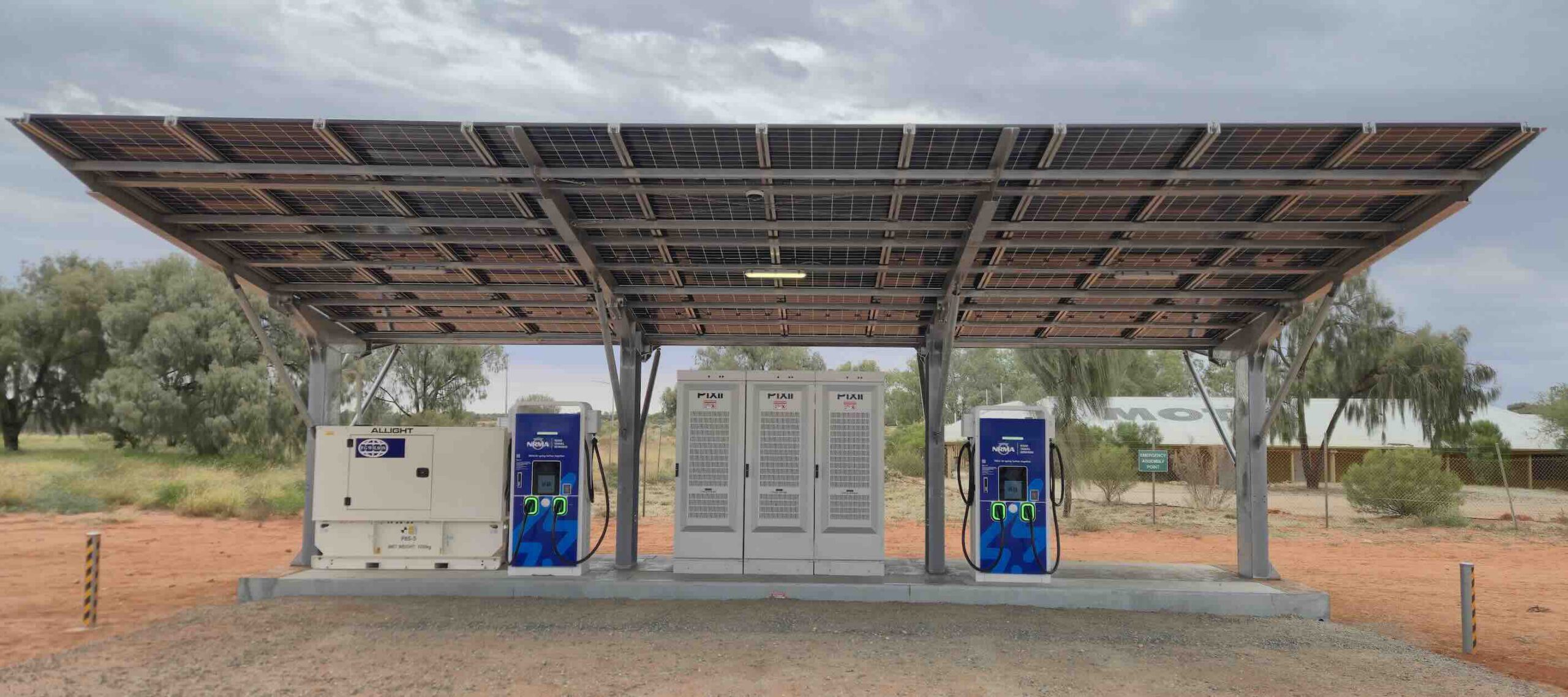
A government-backed push to blanket Australia with fast EV chargers has fallen well behind schedule, and the document that could explain why is being withheld from public scrutiny. The NRMA, one of the country’s largest motoring organisations, has completed roughly 62 of the 117 charging sites it committed to under a $78 million programme, according to the group. That leaves more than half of the planned locations unfinished, with no public breakdown of the obstacles encountered.
The situation centres on a 21-page internal review titled “The Grit in the Gears: Lessons from the frontline of building a national EV network.” It exists on a federal department website, but nearly every line has been blacked out under freedom-of-information rules covering commercially sensitive material. Just one figure survived the cull: an average installation cost of $350,000 per site. A Senate motion sought to force the report before parliament by late September, yet the deadline passed without the document being tabled.
Earlier disclosures offer some clues about what went wrong. NRMA won the contract in April 2023 with $39 million from the Australian Renewable Energy Agency, matching that sum itself, and pledged a charger every 150 km on major routes. A report published in late 2024 pointed to hardware designs that only revealed critical flaws once installed, forcing redesigns and fresh negotiations with site hosts. Planning hurdles — crown land talks, floodplain concerns, unmapped underground utilities and slow grid-connection approvals — added further friction, while the exit of charger makers Tritium and Freewire from the Australian market thinned the supplier pool.
Low usage at some remote sites has also raised questions about whether demand justified every location. Frustration among long-distance EV drivers has been sharpened by incidents such as a truck strike that destroyed a solar canopy over an off-grid charger on the Nullarbor Plain in April, leaving it out of action months later. With battery-electric models now accounting for about one in four new vehicles sold, the gap between rising range and patchy rural charging infrastructure is drawing more attention from advocates who want the programme’s full record opened up.
What do you think?