
Nissan Picks Cambridge for Driverless Ride Pilot, Backed by £3m in UK Funding
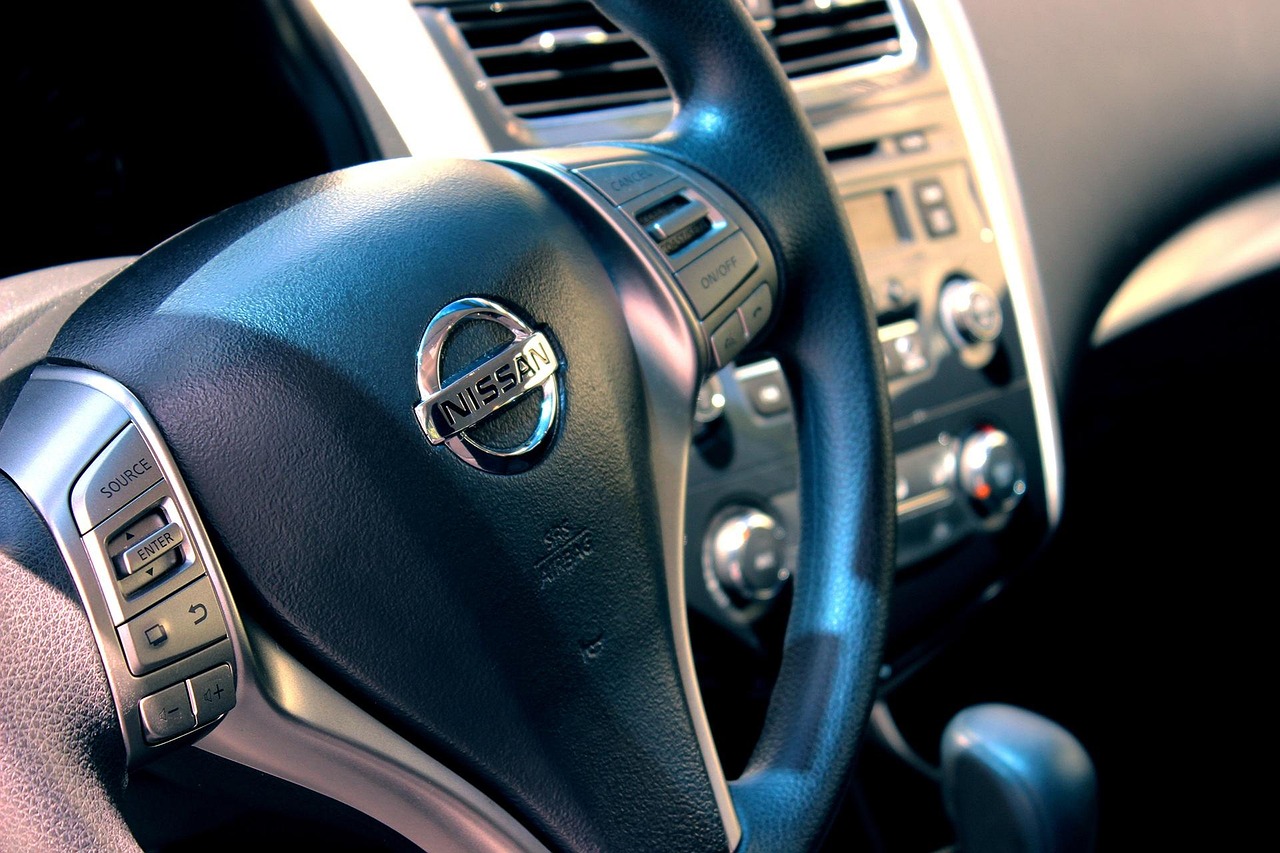
Nissan is set to head a UK government-supported initiative worth £3m (roughly US$4m) aimed at launching a self-driving passenger service on the streets of Cambridge. The programme, called ADventure, brings together the automaker’s European technical centre, WMG at the University of Warwick and PAVE UK, an organisation focused on public education around automated vehicles. Its goal is to create a template that other British communities could adopt, culminating in a demonstration on Cambridge’s public roads.
The vehicle earmarked for the trial is a 2022 Nissan Leaf fitted with driving systems developed in-house, hardware that has already seen use in earlier UK testing. Notably, the project’s centre of gravity sits less on sensor breakthroughs and more on how the service itself functions — integrating driverless trips into the existing local transport network and earning the confidence of riders. Cambridge was chosen because of its established track record in this kind of research, and the location also serves to push Nissan’s trials outside London.
David Moss, Senior Vice President for Research and Development at Nissan across Africa, the Middle East, India, Europe and Oceania, framed the effort as a significant moment for autonomous mobility in the UK. He said the government’s backing allows the company to extend its autonomous research beyond central London into another city, deepening understanding of how such services can serve different communities and everyday journeys. Moss added that combining Nissan’s internal expertise with partners’ wider knowledge will help explore how self-driving vehicles can strengthen connectivity, accessibility and daily quality of life.
Taking a reused 2022 test car rather than new hardware points to a service-design agenda rather than a technology arms race. Public funding also links the work to questions of accessibility and trust that could feed into future UK regulation, not merely performance benchmarks. And by choosing Cambridge over the capital, Nissan appears to be testing whether AV mobility can succeed outside the country’s most heavily resourced urban settings.
What do you think?