
NHTSA Wants a Cyan Glow on Robotaxis — and It's Not the Only Country Asking
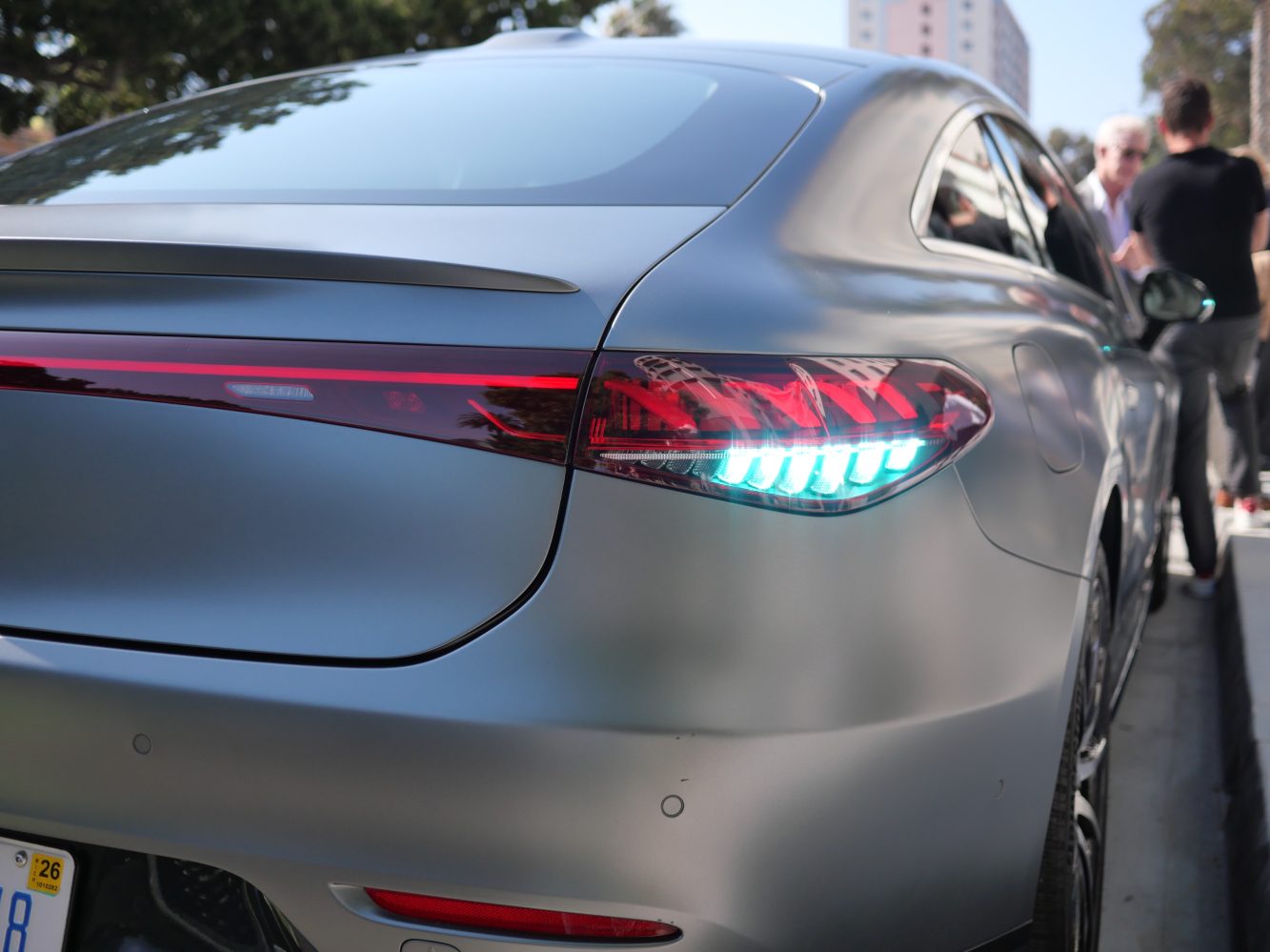
The NHTSA has floated a new idea for America’s growing fleet of driverless cars: mark them with cyan-colored lights so anyone nearby can tell at a glance that nobody is driving.
The proposal, released Friday, would create an entirely new lamp color in federal vehicle rules, dedicated exclusively to signalling autonomous operation. It’s the first time the agency has written such a designation into the draft text of the Federal Motor Vehicle Safety Standards.
Where the idea came from
Mercedes got there first. When the company introduced DRIVE PILOT, its Level 3 hands-off system, it wrapped the test vehicles in cyan exterior lighting to advertise when the car — not a human — had control. DRIVE PILOT is the only true hands-free system sold in the US today, and it lets the driver legally step back from responsibility under set conditions. Tesla’s Full Self-Driving, by contrast, remains a Level 2 setup where the person behind the wheel is still on the hook.
Mercedes ran its California trial for two years. The NHTSA looked at the results, ran the concept past the SAE, and evidently liked what it saw.
Optional — for now
The draft rule would permit cyan lights without mandating them. That leaves room for cost-cutting, though LEDs are cheap enough that most brands will likely fit them anyway once the framework exists. The logic: put the color in the rulebook now, and a hard requirement can follow later.
As written, the lights would follow strict behavior:
- On only in autonomy — cyan comes alive when the car drives itself, and shuts off the moment a human takes over.
- Synchronized switching — all units flip together, never in sequence.
- Full visibility — markers at the front, sides and rear, all sitting at least 15 inches above the ground.
The rule will be open for public comment for 30 days under docket NHTSA-2026-1519 at regulations.gov.
Beijing is moving in parallel
China published an almost identical draft standard days earlier, slated to take effect in 2028. It’s voluntary, and the color is turquoise rather than cyan — a difference in name more than in hue. Regulators there were reacting to the same problem: automakers had begun sticking their own custom lights on self-driving test cars, and the government wants a single recognized standard instead of a patchwork.
The NHTSA’s proposal also bundles in broader housekeeping changes to FMVSS. One example: cars are currently required to have turn signals that cancel automatically once the wheel turns past a threshold and returns to center. That rule makes no sense for a vehicle without a steering wheel, so the draft deletes it for autonomous models. Headlight requirements get some added design flexibility too.
The safety question underneath
Loosening rules for AVs is a reasonable exercise — nobody needs a self-cancelling indicator on a car that has no indicator stalk. But a permissive regulatory posture deserves scrutiny, especially given how the agency was forced to scramble when a steering-wheel-less vehicle hit public roads without warning and promptly landed in an investigation.
Retrofitting the rulebook to accommodate a car that already broke the old one sets an awkward precedent. Supporters of mandatory cyan lighting make a fair point in the other direction: a light that says “this vehicle may not behave like a human” is a public service, and brands confident in their software should be advertising it.
Either way, the era of visual identification for robotaxis is arriving on two continents at once.
Source: Electrek
What do you think?