
NHTSA Reviews Petition Claiming Tesla Robotaxis Speed Through School Zones
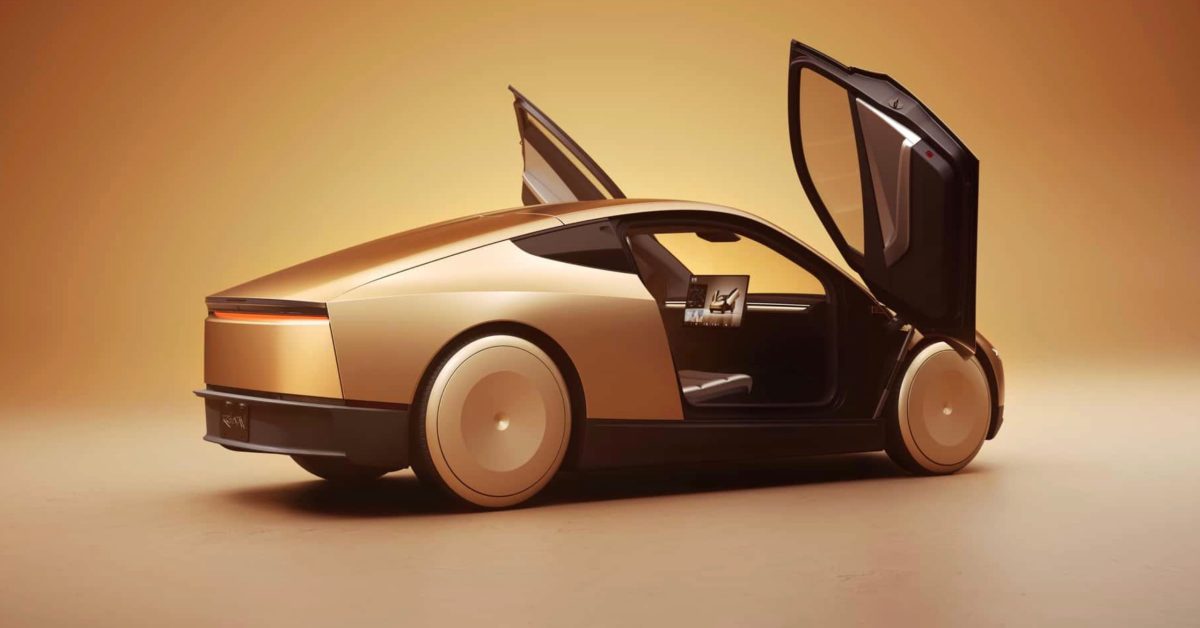
Federal regulators are weighing whether to open a formal defect investigation into Tesla’s driverless taxi fleet after a new petition alleged that the company’s Robotaxis have been exceeding speed limits in active school zones. The National Highway Traffic Safety Administration’s Office of Defects Investigation logged the request under file number DP26010 on Friday, October 9, though the petition itself first arrived at the agency on September 23, according to the agency’s opening resume. The complaint specifically targets model year 2026 Robotaxis operating with Tesla’s Automated Driving System engaged.
The supporting material behind the petition is thin. It rests on three social media videos linked within the filing, alongside four incidents recorded in NHTSA’s own tally. Notably, there have been no reported crashes, injuries, or fatalities connected to the allegations. Under federal rules laid out in 49 CFR Part 552, the agency has 120 days from receipt of a petition to either grant or deny it, placing the decision deadline around January 21, 2027. Should NHTSA grant the petition, the matter would escalate into a full defect investigation, which carries the potential for a recall.
The filing also yielded an unexpected data point: NHTSA estimates the affected fleet at roughly 1,000 vehicles, spanning both the Model Y and the Cybercab. That figure is significant because Tesla has never publicly disclosed how many Robotaxis it operates. As recently as June, community trackers counted only a few dozen active cars spread across Austin, Dallas, and Houston. Tesla has since expanded its autonomous offerings, launching commercial Cybercab service in Austin on September 3. While NHTSA characterizes the 1,000-vehicle number as an estimate, it stands as the first federal count of the fleet’s size. The agency may be drawing on vehicles Tesla has officially registered through Texas DMV certification, though not all of those are necessarily active in service.
Speed compliance has surfaced as a recurring theme for Tesla’s software. Footage from the Austin Robotaxi launch in June 2025 showed cars exceeding posted limits, prompting NHTSA to say at the time that it was in contact with the company. In October 2025, the agency opened a separate investigation into Full Self-Driving over traffic-law violations including running red lights and driving into wrong lanes. A week later, Tesla released a “Mad Max” FSD profile that disregarded speed limits. The key distinction here is accountability: with FSD (Supervised), a human owner selects the driving profile and bears responsibility. A Robotaxi has no one behind the wheel, meaning Tesla itself made the call on how fast to travel past a school.
This petition compounds an already crowded regulatory picture for Tesla’s driverless ambitions. It marks the third federal action aimed at the fleet in roughly five weeks, following an audit query and a Special Order concerning how the Cybercab was certified. That order required Tesla to prove under oath that a vehicle lacking pedals and a steering wheel satisfies federal safety standards, with answers due September 30; NHTSA has not released those responses publicly. Tesla is not alone in facing school-zone scrutiny: late last year, Austin ISD reported about 20 instances of Waymo vehicles illegally passing stopped school buses, which Waymo addressed with a voluntary software recall in December 2025. Whether Tesla follows that path or waits for regulators to decide remains an open question.
What do you think?