
Tesla Rebrands FSD to 'Tesla Assisted Driving' in Bid for EU Approval
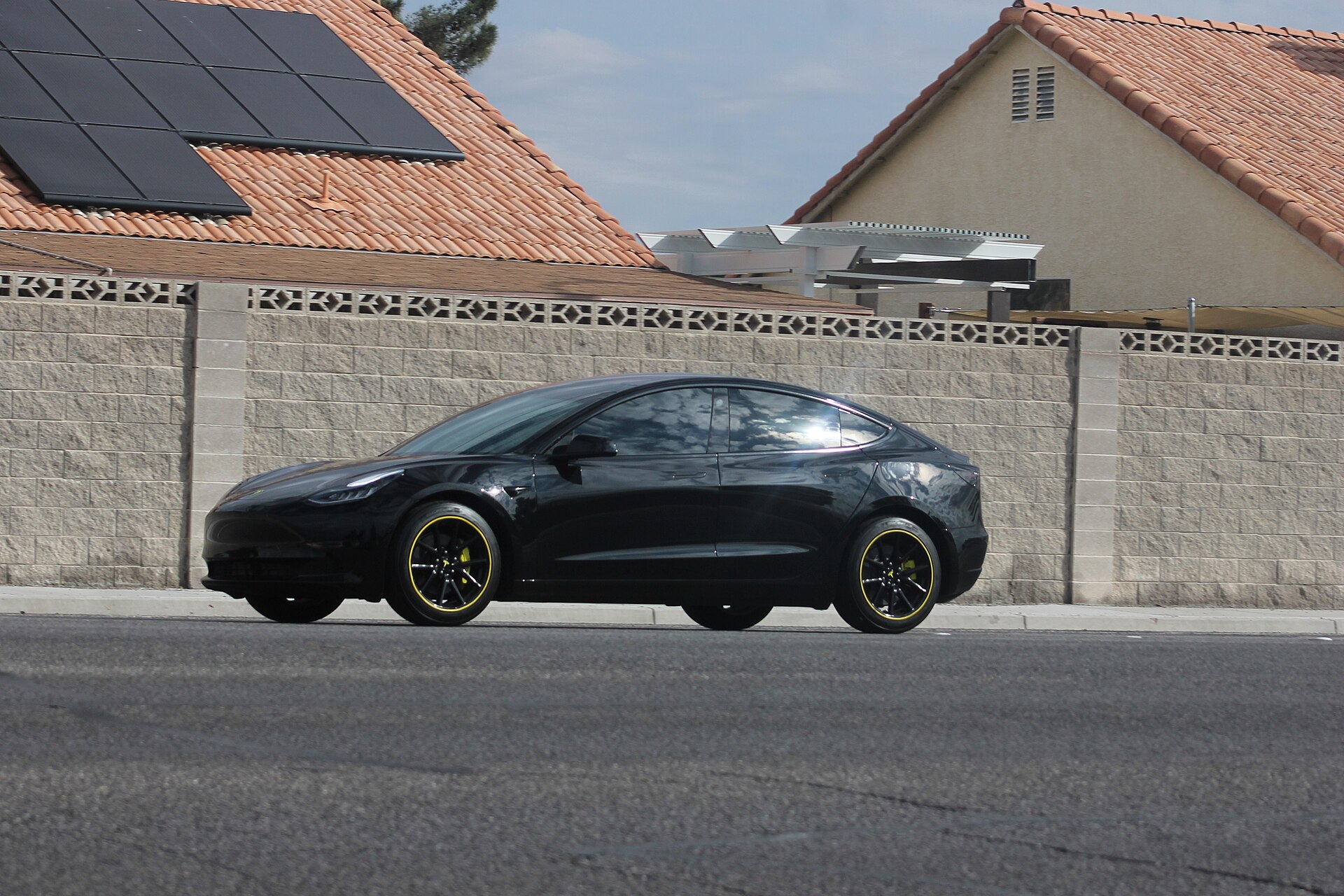
Tesla has renamed its advanced driver assistance system from “Full Self-Driving (Supervised)” to “Tesla Assisted Driving.” The change comes as the company seeks regulatory approval across the European Union, where the previous name had drawn criticism from German officials. Transport Minister Steffen Bilger had publicly called the old name misleading, arguing that it overstated the system’s capabilities.
The rebranding addresses a key demand from the German federal government, which has been vocal about the need for clear and accurate naming of automated driving features. By adopting “Tesla Assisted Driving,” the company aims to align with European expectations for transparency and consumer safety. The system, which still requires an attentive driver ready to take over, will now be presented with a name that reflects its assisted nature rather than full autonomy.
This move is part of Tesla’s broader effort to secure EU-wide approval for its driver assistance technology. The European market has stringent regulations for advanced driver assistance systems, and naming conventions play a significant role in how regulators and the public perceive their functionality. Tesla’s decision to rename the feature could ease concerns and facilitate the approval process.
While the name change may seem cosmetic, it signals Tesla’s willingness to adapt to local regulatory landscapes. The company has faced similar scrutiny in other regions, but the EU’s coordinated approach makes alignment particularly important. As Tesla continues to develop its autonomous driving capabilities, the new name may help set a clearer distinction between assisted driving and fully autonomous systems.
The rebranding is not expected to alter the system’s technical features, which remain the same under the new label. Tesla has not announced any changes to the functionality or availability of the system in Europe. The focus now shifts to whether the renamed feature will satisfy regulators and pave the way for broader deployment.
What do you think?