
Mazda Backs Australia's Emissions Rules, Confident New EVs Will Keep It Penalty-Free
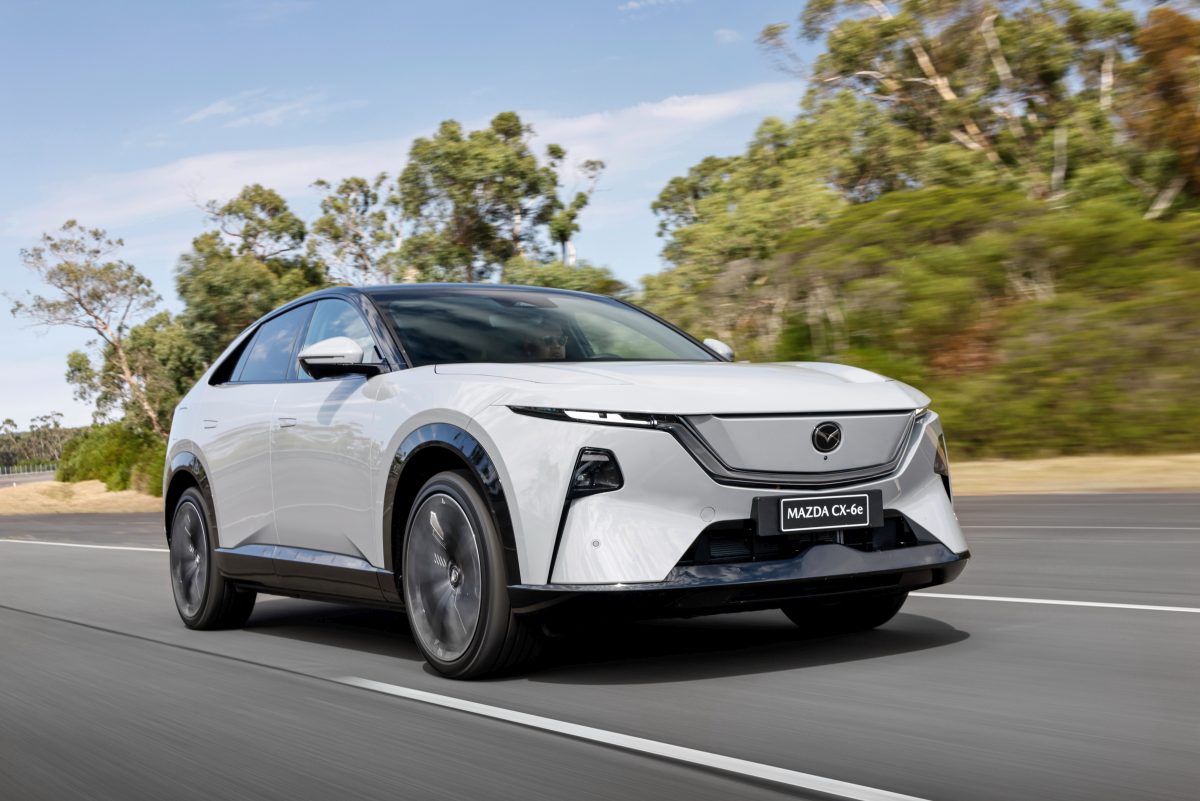
Mazda has decided not to join the ranks of legacy automakers lobbying to soften Australia’s New Vehicle Emissions Scheme (NVES), with the company now saying it expects to clear the regulation’s tightening targets without paying penalties.
The NVES is built to steadily reduce carbon dioxide-equivalent emissions from Australia’s transport fleet, and it has drawn sharp criticism from brands whose lineups lean heavily on large diesel and petrol models. Those manufacturers have argued the rules are overly aggressive and could drive up showroom prices. Mazda, at first glance, looked like a natural recruit for that campaign: its Australian sales rely on big sellers such as the 2.2- to 3.0-litre diesel BT-50 ute range, the seven-seat CX-80 and CX-90 mild-hybrid diesel/petrol SUVs, and the large CX-70. On the plug-in side, the lineup had been thin — essentially a PHEV version of the CX-80 plus a pair of new battery-electric models. With NVES limits stepping down year after year toward a first review in 2028/29, that mix could have translated into steep compliance bills.
Speaking with The Driven at the recent CX-6e launch, Mazda Australia managing director Vinesh Bhindi said the company has grown more at ease with the NVES in its current form. A key factor, he noted, is a recent surge in Australian EV demand that has generated strong interest in both the Mazda 6e and CX-6e. That momentum suggests the brand’s zero-emission offerings can carry more of the load than previously assumed.
Adding to that confidence, Hiroshi Ozawa, general manager of the technical development centre at Changan Mazda in China, indicated that several additional Mazda BEVs are likely to be fast-tracked. He did not specify which models, but the implication is a broader electric portfolio that can offset emissions from the company’s heavier fossil-fuelled vehicles and keep its NVES ledger balanced.
With that outlook, Bhindi said he is now more assured that Mazda can satisfy the scheme’s requirements through the current regulatory period ending in 2029 without incurring penalties — and, on that basis, sees no reason to support efforts to weaken or scrap the existing framework. The stance sets Mazda apart from rivals still pressing for relief, and it puts the company’s near-term product plans squarely at the centre of its compliance strategy.
What do you think?