
Lucid's Output Slumps as the EV Maker Focuses on Selling Down Stock
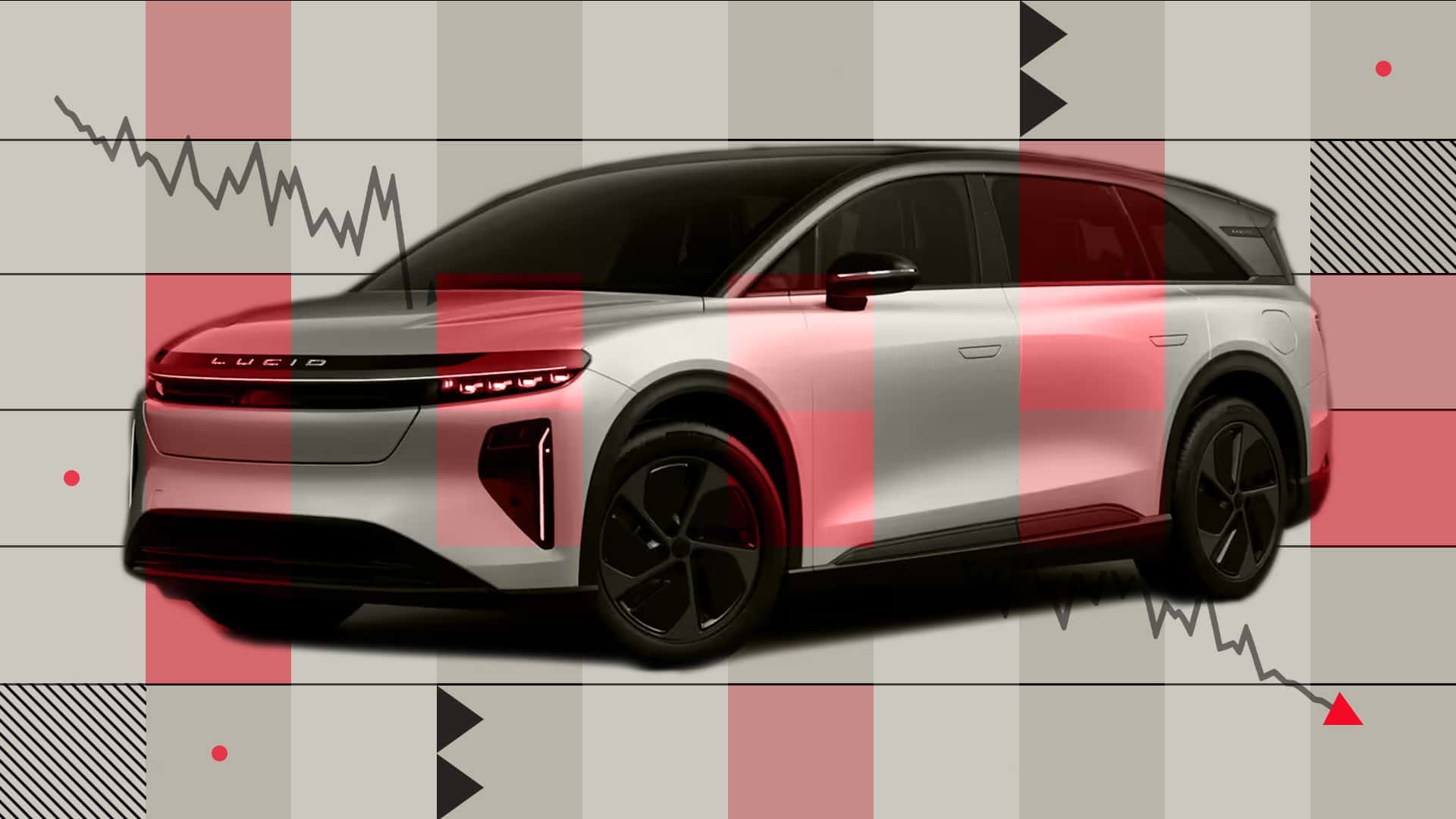
Lucid Motors closed out the third quarter with softer numbers on both the factory floor and the sales sheet, as the California company deliberately slowed assembly lines to work through vehicles already sitting in inventory. The startup reported building 2,954 cars between July and September while handing 3,806 over to customers.
Measured against a year earlier, deliveries slipped 6.7% and production dropped 24%. The sequential picture is starker still: output tumbled 38% from the second quarter, marking the company’s weakest build total since the opening months of 2025. The root cause traces back to June, when Lucid cut one of the two assembly shifts at its AMP-1 plant in Arizona — a move that capped manufacturing at a single shift, leaving the remaining capacity aimed at clearing lot stock rather than stacking up new metal.
The full-year view offers a counterweight to the gloomy quarter. Through September 30, Lucid assembled 13,228 vehicles and delivered 10,852, which works out to roughly 33% more production and 3% more deliveries than the same stretch of last year. The company does not publish model-level splits, but the Gravity SUV is widely read as the momentum driver, since shopper appetite for electric sedans has lagged behind demand for SUVs. Lucid said interest in the Gravity “continued to regain momentum” after a costly recall idled shipments for close to a month. Earlier in the year the Gravity GT-S entered the lineup positioned as America’s most powerful three-row SUV, with output north of 1,000 hp.
The quarter lands amid a broader operational reset. Lucid trimmed production and cut 18% of its workforce as part of an effort targeting $1.4 billion in cash flow improvements for the year. Leadership also changed hands in April, when Silvio Napoli — an outsider to the auto industry — took the top job from interim CEO Marc Winterhoff, inheriting the difficult assignment of steering the company toward profitability.
There are reasons for cautious optimism. Fresh capital has been flowing in from Uber and Saudi Arabia’s Public Investment Fund, though the payoff from those arrangements will take months to show. The bigger near-term swing factor is the Cosmos, a mid-size crossover meant to widen Lucid’s customer base well beyond its current niche. That model has been pushed to next year, and with an expected price around $50,000 it would enter one of the most crowded battlegrounds in EVs — the segment where Tesla’s Model Y currently sets the pace.
What do you think?