
LG Energy Solution Posts Record Quarter as Energy Storage Offsets EV Battery Slowdown
LG Energy Solution has reported its strongest quarter on record, a result that underscores how the battery industry is quietly reshuffling its priorities. According to preliminary figures filed in South Korea, the company’s third-quarter revenue climbed 59% year-over-year to roughly $7.21 billion, while operating profit rose 25% to about $565 million. Full audited results are expected in November.
The headline number tells only part of the story. Only a short time ago, LGES and several of its peers were scaling back their electric vehicle battery plans in North America, caught off guard by demand that grew more slowly than the industry had projected. Rather than absorbing those losses, the battery maker has leaned into a different customer base: stationary energy storage. Utilities and data center operators, racing to power AI infrastructure and grid upgrades, have created a hungry market for large-format storage cells, many of which LGES now builds at American plants.
Europe has played an equally important role. Strong plug-in vehicle sales across the continent have lifted output from the company’s Polish facility, with Volkswagen and Renault cited as key sources of demand. On top of that, U.S. manufacturing incentives and payments from automakers that fell short of their contractual battery purchase commitments have further bolstered the bottom line. The Section 45X production credits for domestic battery manufacturing survived last year’s policy upheaval and remain in place through 2032.
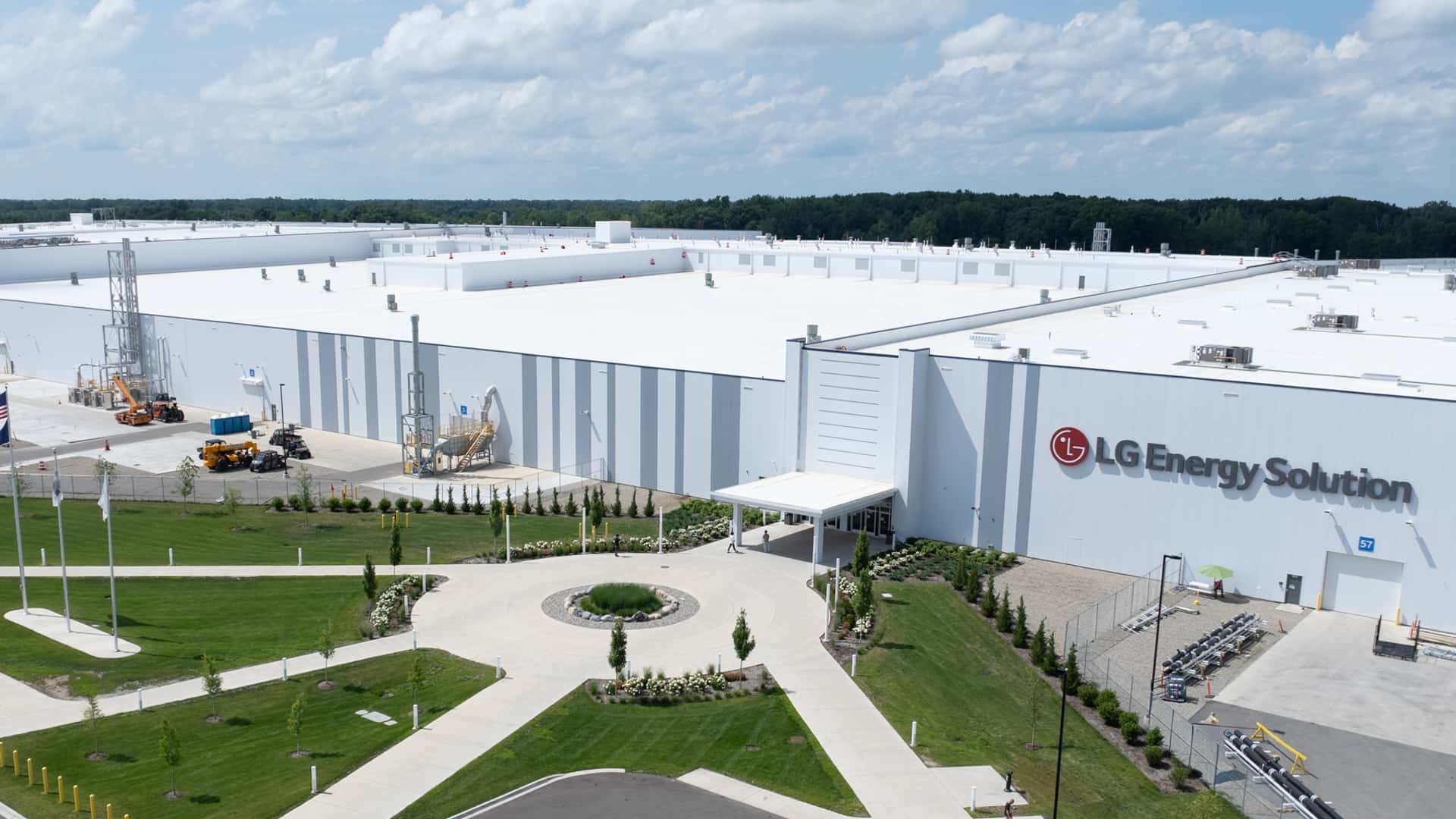
LGES is also tightening its grip on the raw materials side. A newly signed multi-year offtake agreement with Canada’s Elevra Lithium will supply 240,000 metric tonnes of lithium concentrate from a Quebec mine. That deal follows the August opening of a $2 billion gigafactory in Lansing, Michigan, where the company produces lithium-iron-phosphate storage cells for Tesla alongside nickel-manganese-cobalt EV batteries for Toyota.
The results offer a window into where battery makers see durability in a volatile market. EV demand may be uneven from region to region, but storage, incentives and supply-chain control are giving companies like LGES multiple legs to stand on.
What do you think?