
Colorado School District Rolls Out Six Electric Buses With Two-Way Charging
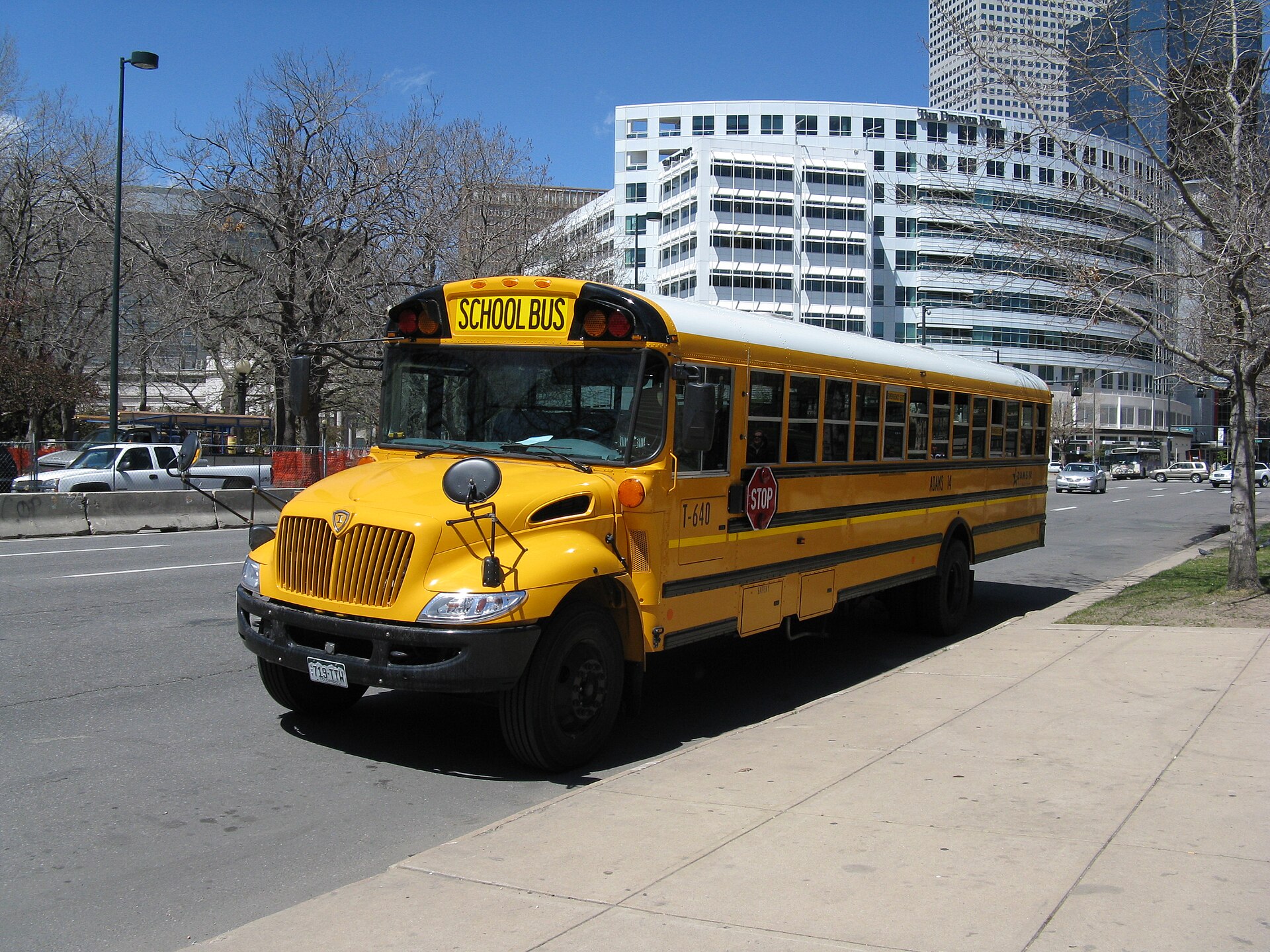
Jefferson County Public Schools in Colorado has put six new electric school buses and an equal number of bidirectional chargers into service, marking a practical step toward both cleaner student transport and a more flexible grid. The district, which teaches roughly 75,000 students across 145 schools, said the buses will begin serving students during the current school year.
The six vehicles are IC electric school buses, paired one-to-one with chargers capable of moving power in both directions. That bidirectional capability lets the district not only draw electricity to charge the buses but also send stored energy back when the grid needs it. Xcel Energy backed the project with $3.4 million through its Electric School Bus Program, covering a meaningful share of the upfront cost that often holds districts back from electrifying their fleets.
School buses are an unusually good fit for electrification. They run predictable routes, cover relatively modest daily mileage, and sit idle for long stretches — ideal conditions for charging overnight and, in this case, for using the battery as a distributed energy resource during peak demand. Bidirectional charging turns an idle bus into a small power bank, which can help utilities smooth loads and can offer districts a potential revenue or cost-saving stream over time.
For Jeffco, the rollout also delivers immediate local benefits: no diesel exhaust at bus stops or outside school buildings, quieter operation on neighborhood routes, and lower fuel and maintenance costs compared with conventional buses. The funding from Xcel Energy reflects a broader trend in which utilities partner with school systems to test vehicle-to-grid concepts at scale, rather than treating electric buses purely as a transportation purchase.
What do you think?