
Lamborghini Turns to Synthetic Fuels to Preserve Combustion Engines Beyond 2030
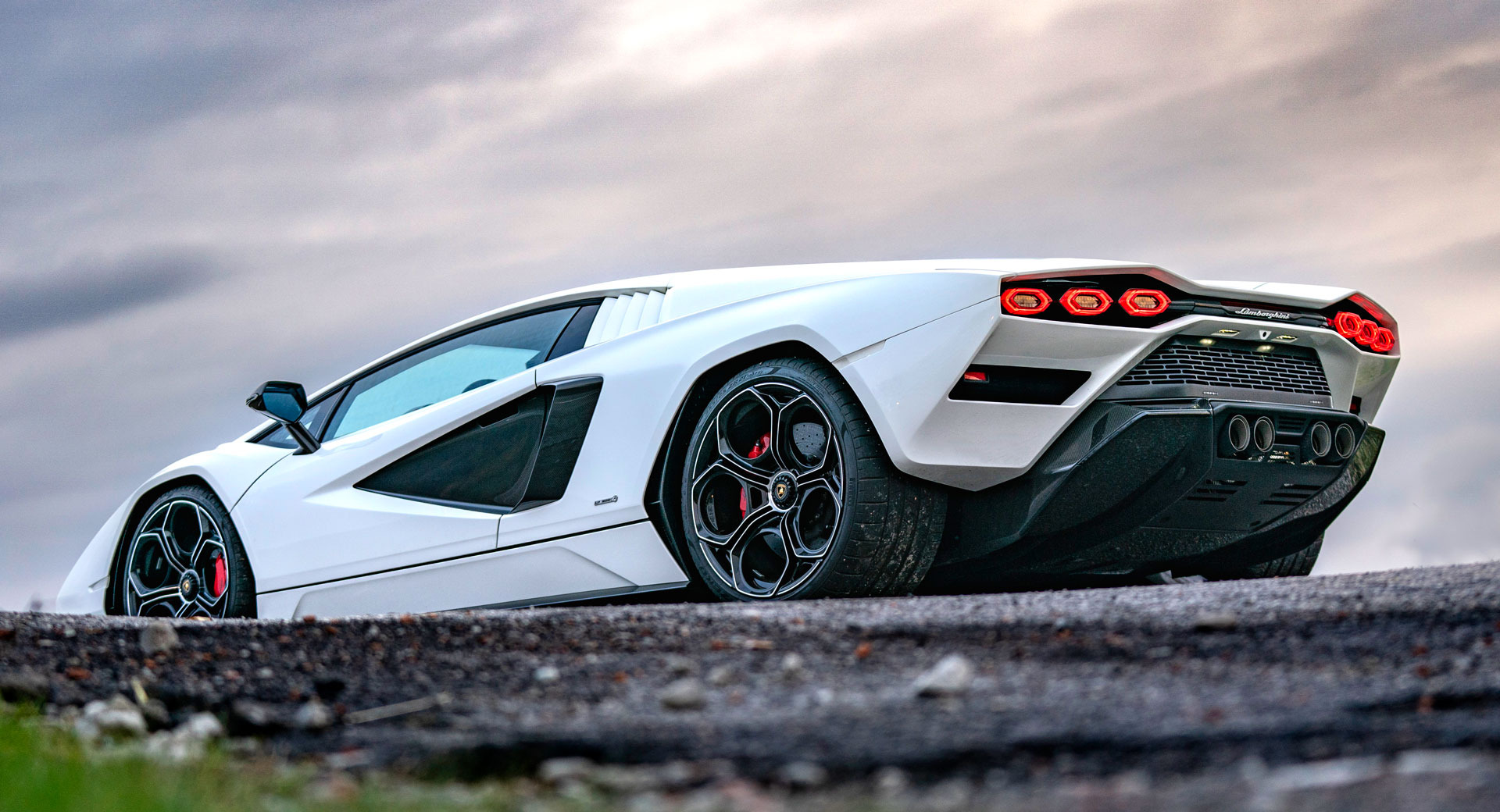
Lamborghini is evaluating synthetic fuels as a way to keep its iconic combustion engines alive well past 2030, according to a report from Carscoops. The Italian supercar manufacturer, known for its high-revving V10 and V12 powerplants, is exploring e-fuels to ensure that its traditional engine lineup remains viable even as Europe and other regions tighten emissions regulations.
Synthetic fuels, also known as e-fuels, are produced by combining captured carbon dioxide with hydrogen derived from renewable sources. This process yields a liquid fuel that can be used in existing internal combustion engines without modification. While e-fuels still emit CO2 when burned, they are often presented as carbon-neutral because the CO2 used in their production is offset. For low-volume manufacturers like Lamborghini, this technology offers a potential lifeline to continue producing the emotionally charged engines that define the brand.
The move comes as the European Union has approved a ban on new internal combustion engine cars from 2035, provided they run on e-fuels. This exemption has opened a door for performance car makers to keep combustion alive in some form. Lamborghini’s parent company, Volkswagen Group, has also been investing in synthetic fuel research, signaling a broader industry interest in the technology. However, critics argue that e-fuels are inefficient and expensive compared to battery electric vehicles, and that they may divert resources from EV development.
Lamborghini has already begun its electrification journey with the Revuelto plug-in hybrid V12 flagship and the upcoming Urus PHEV. The company has stated that it will electrify its entire lineup by 2024, but it sees synthetic fuels as a complementary path to reduce carbon emissions from its existing fleet and future models. The brand aims to balance performance heritage with environmental responsibility, and e-fuels could play a role in that strategy.
While no official timeline or production commitment has been announced, the consideration of synthetic fuels underscores the challenges facing niche automakers in the transition to zero-emission mobility. As regulations evolve and consumer preferences shift, Lamborghini’s exploration of e-fuels reflects a pragmatic approach to preserving its identity while adapting to a changing world.
What do you think?