
Stellantis and Renault Pull Back from Hydrogen as BMW, Hyundai, Toyota Stay the Course
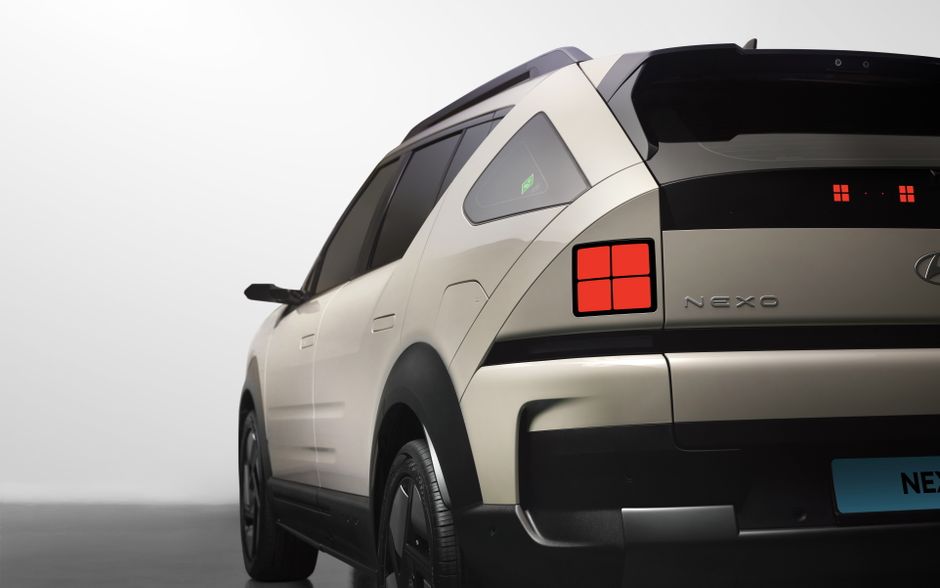
The hydrogen fuel-cell landscape is shifting. Stellantis and Renault have decided to step away from hydrogen development, according to a report from Automotive News. This retreat highlights the ongoing uncertainty surrounding hydrogen as a viable alternative fuel for passenger vehicles. While the two automakers are pulling back, BMW, Hyundai, and Toyota are maintaining their commitment to the technology, signaling a split in industry strategy.
Stellantis and Renault’s decision may stem from the challenges that have long plagued hydrogen: high costs, limited refueling infrastructure, and slow consumer adoption. Both companies had previously explored hydrogen fuel-cell vehicles, but the lack of a clear business case appears to have led them to reallocate resources toward battery-electric vehicles, where market demand and regulatory support are stronger. Their exit narrows the field of automakers actively pursuing hydrogen for light-duty vehicles.
In contrast, BMW, Hyundai, and Toyota continue to invest in hydrogen fuel-cell technology. Toyota has been a pioneer with its Mirai sedan, now in its second generation, and views hydrogen as part of a multi-pathway approach to decarbonization. Hyundai offers the Nexo SUV and has signaled ongoing development, while BMW has been testing hydrogen fuel-cell prototypes, including a planned small-series model. These automakers see hydrogen as a complement to batteries, particularly for larger vehicles and long-distance driving where refueling speed and range are critical.
The divergence reflects a broader debate within the auto industry. Hydrogen fuel-cell vehicles emit only water vapor and can refuel quickly, but they require expensive infrastructure and face competition from rapidly improving battery-electric vehicles. With Stellantis and Renault stepping back, the hydrogen passenger car market becomes even more concentrated among a few committed players. This could slow overall momentum but also allows the remaining automakers to shape the technology’s future.
For now, the hydrogen story is one of contrasts: retreat by some, persistence by others. How this plays out will depend on infrastructure build-out, government policies, and whether consumers embrace fuel-cell vehicles beyond niche applications. The coming years will reveal whether the committed trio can drive hydrogen into the mainstream or if it remains a specialized solution.
What do you think?