
Japan's EV Subsidy Budget Nearly Drained as Tesla Races Ahead of Honda and Nissan
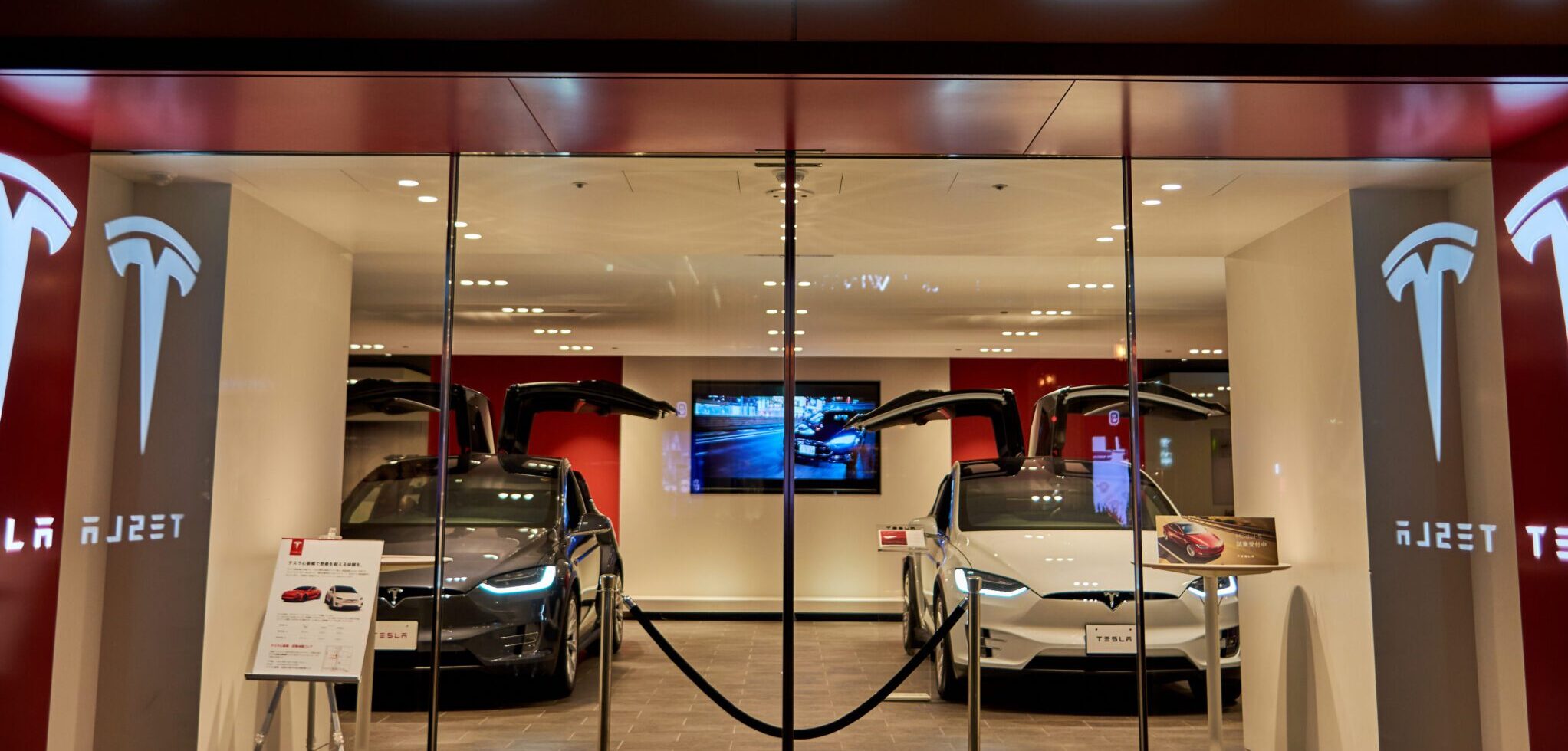
Japan’s electric vehicle incentive program has burned through almost its entire allotted budget in only six months, with Tesla emerging as one of the biggest beneficiaries — outpacing both Honda and Nissan in subsidy payouts.
According to figures reported by Nikkei, claims for qualifying EVs sold between April and September would total roughly JP¥97.4bn, representing 89% of the JP¥110bn (about US$700m) set aside for the fiscal year. That leaves the program on track to stop accepting applications as early as December. Toyota leads all manufacturers with JP¥34.5bn claimed, or 31% of the total, largely on the strength of its refreshed bZ4X, which qualifies for the maximum JP¥400,000 per-vehicle payout. Tesla’s Model Y by itself drew JP¥15.3bn — a figure that comfortably exceeds what either Nissan’s Leaf or Honda’s Super-One managed.
The lopsided outcome appears to trace back to a revision of the Clean Energy Vehicle subsidy scheme introduced in January, which followed drawn-out trade negotiations between the US and Japan. That redesign modestly increased the maximum per-vehicle subsidy and scaled back support for fuel cell vehicles. Observers at the time, including S&P Global Mobility’s Yoshiaki Kawano, noted that the timing made some aspects of the change look tilted toward American automakers — particularly since the Model Y’s payout climbed to JP¥1.27m even though Tesla’s Supercharger network performed poorly under the program’s company evaluation criteria. BYD, by contrast, saw its models — including the Japan-only Racco kei EV — stuck in the JP¥350,000 to JP¥450,000 range. BYD Japan president Atsuki Tofukuji publicly complained in March that his company was operating at an “overwhelming disadvantage.”
Consumer response has been dramatic. Passenger EV sales jumped 150% year-on-year to a record 70,273 units in the six months through September, pushing EVs to 3.7% of new vehicle sales. The side effects are equally striking: Tesla’s demand outstripped supply and caused repeated delivery headaches, sales by other foreign EV brands slumped 26% to roughly 7,900 units, and some used EVs now command higher prices than new ones. One Japanese automaker executive told Nikkei that the per-vehicle subsidy is simply too large, saying it has “distorted supply and demand.” The Ministry of Economy, Trade and Industry has acknowledged the budget is being consumed about a month faster than anticipated, yet is requesting the same JP¥110bn for fiscal 2027 — which, against a 150% demand surge, would mean either smaller payouts or an even sharper cliff.
Suzuki is charting a different course entirely. Its e-Sky kei car, arriving in November from JP¥2.12m, will be Japan’s cheapest EV and was deliberately priced to compete with combustion-engine kei cars without leaning on subsidies. “Subsidies are welcome, but they will end someday,” said President Toshihiro Suzuki. “Is it really the right approach to depend on subsidies to sell vehicles?” The coming months will reveal how much of Japan’s EV surge was genuinely earned — and how much was simply bought.
What do you think?