
IRU and Transport & Environment Push for Semi-Private Electric Truck Charging in EU
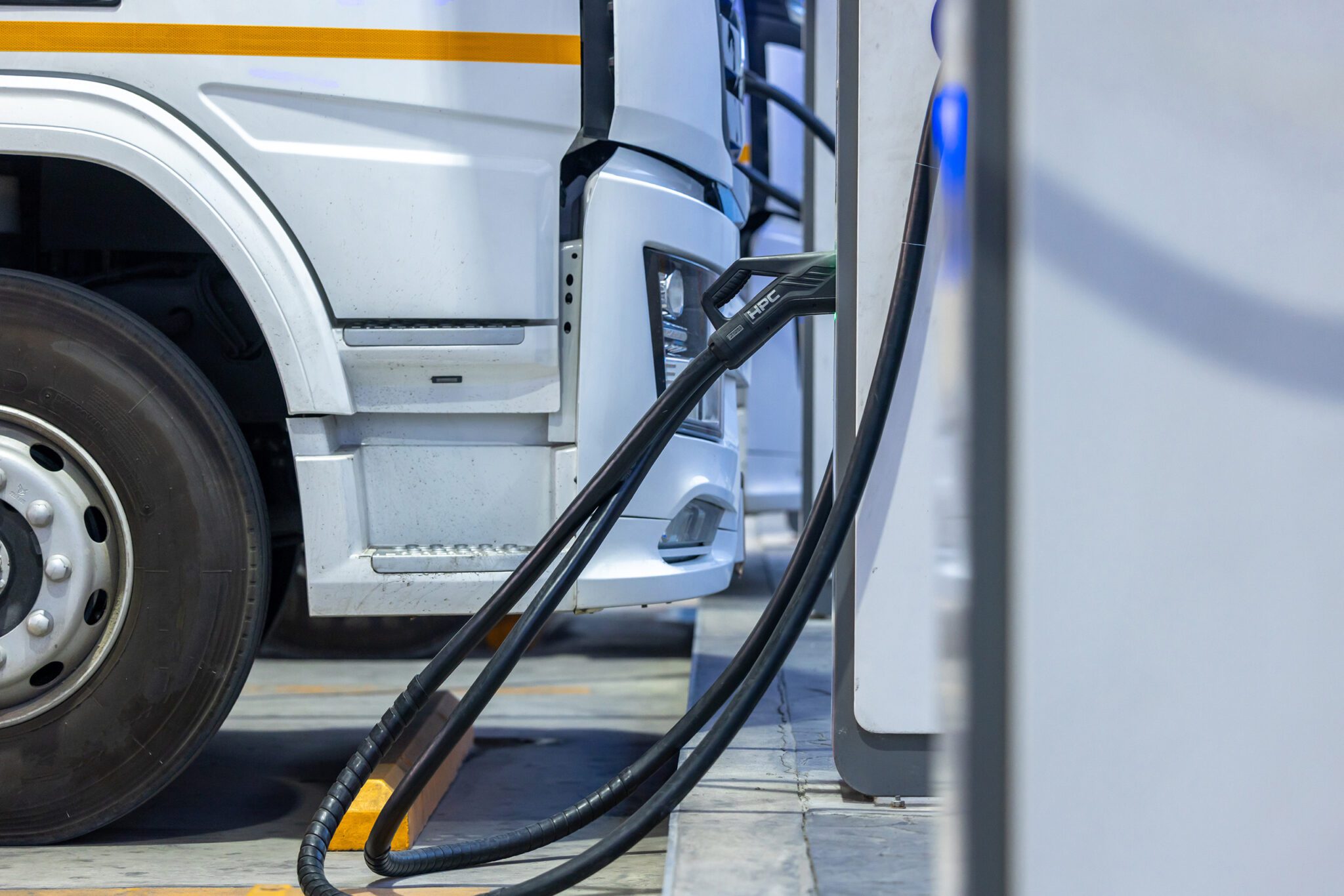
A road transport association and an environmental campaign group have joined forces to urge the European Commission to introduce a new “semi-private” category for electric truck charging, a move they say would give smaller hauliers a viable path to electrification. IRU, which represents road transport operators, and Transport & Environment, a Brussels-based clean mobility NGO, argue that the current regulatory framework under the Alternative Fuels Infrastructure Regulation (AFIR) fails to account for fleets that want to share spare depot capacity without being treated as public charging providers.
The core problem is access. Many hauliers simply do not have the space, grid connection capacity, or capital to install their own high-powered chargers, and trucks operating away from their home base still need reliable en-route power. Public charging networks alone cannot yet bridge that gap, particularly for smaller operators who lack the resources of large logistics groups. The joint proposal suggests that logistics firms, shippers, and terminal operators should be allowed to voluntarily open their chargers to subcontractors while still prioritising their own fleets.
In a letter to the Commission, the two organisations call on AFIR to confirm that such shared sites are not automatically classified as charge point operators or electricity suppliers. They also want permitting and grid connection procedures simplified, arguing that sharing capacity should not trigger new compliance burdens or jeopardise existing subsidies under the EU’s General Block Exemption Regulation for state aid. Furthermore, the groups want semi-private charging sites to be included in national grid plans, funding schemes, the revised Renewable Energy Directive, and greenhouse gas quota rules.
The unlikely alliance between an industry body and an environmental campaigner underscores a broader reality: the pace of electric truck adoption depends heavily on charging access for operators that cannot afford dedicated infrastructure. The groups are careful to stress that operators should face no new obligation to build or open chargers. Instead, they frame semi-private sharing as a voluntary, flexible solution that could unlock capacity already sitting idle at depots across Europe.
With AFIR currently under review, the Commission now faces pressure to decide whether the regulatory definition of a charging provider needs updating to reflect a more collaborative model. If accepted, the proposal could mark a significant shift in how Europe approaches commercial vehicle electrification, moving beyond a one-size-fits-all public network model toward a more layered, operator-driven ecosystem.
What do you think?