
Infineon's New Traveo MCU Takes Aim at SoC Cockpit Graphics
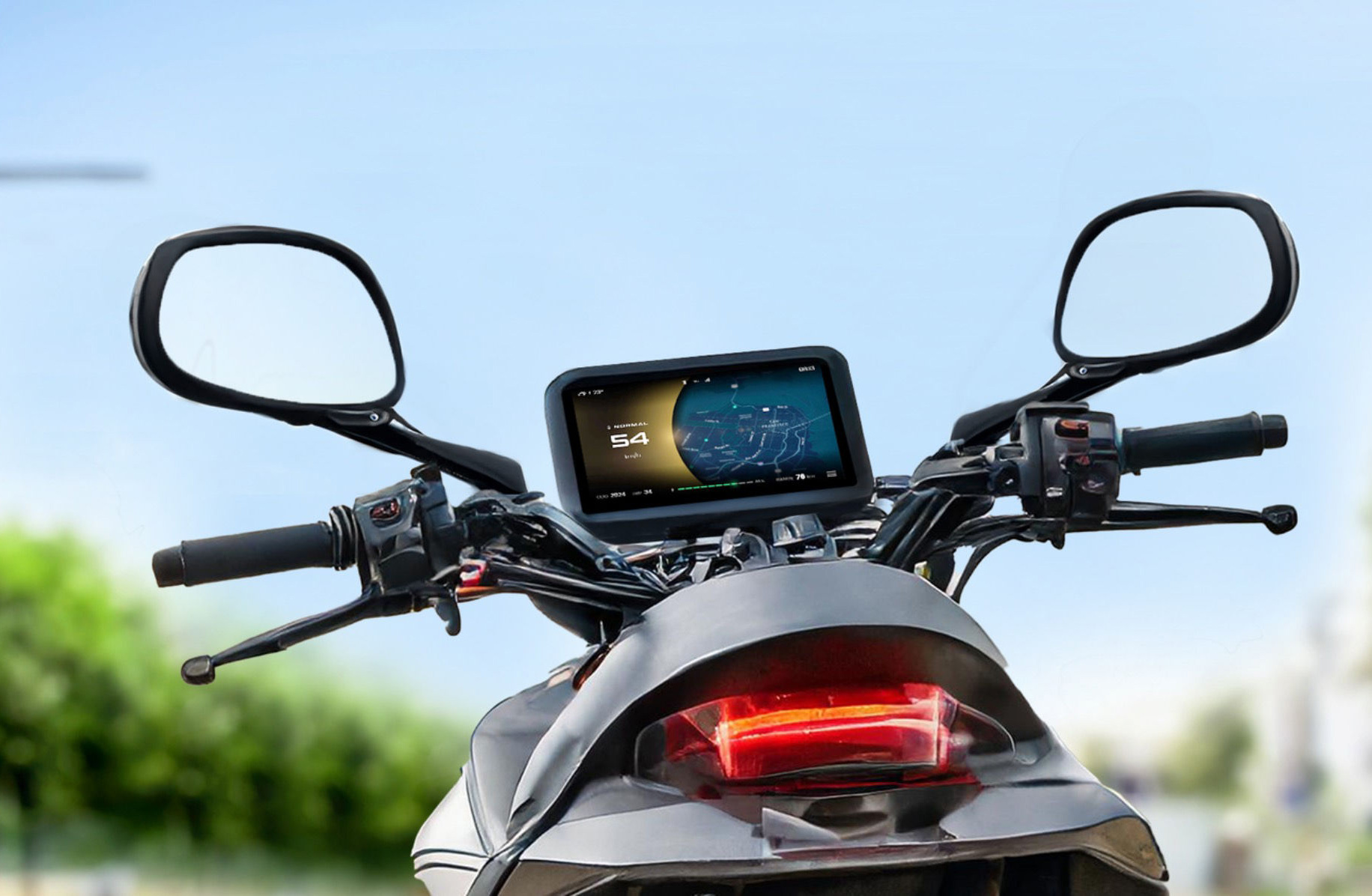
Infineon has unveiled the Traveo T2G CYT4EN, a microcontroller designed for instrument clusters and in-vehicle displays that pairs external LPDDR4 memory with MCU architecture to deliver the kind of graphics quality normally reserved for system-on-chip platforms. The chip renders both 2.5D and 3D graphics and can drive two screens at resolutions up to Full HD, positioning it as a cost-conscious alternative for automakers looking to trim cockpit electronics spending.
The core proposition is simplification. By integrating system control and networking functions that would otherwise require separate MCUs, Infineon argues the CYT4EN reduces overall system complexity and lowers the bill of materials compared with conventional SoC-based cockpit designs. The approach also enables six-layer printed circuit boards and eliminates the need for active cooling, both of which contribute to leaner, cheaper hardware packages. Infineon is explicitly targeting price-sensitive segments, including two-wheelers, where premium cockpit graphics have historically been out of reach.
Start-up performance is another point Infineon is emphasizing. The CYT4EN boots in under 150 milliseconds, a stark contrast to the multi-second initialization times the company says are typical of more complex SoC solutions. For drivers, that translates into instrument clusters and displays that come to life almost immediately when the vehicle is switched on. The device is rated up to ASIL-B under the ISO 26262 functional safety standard and was developed in compliance with the ISO 21434 cybersecurity standard, addressing two of the most closely scrutinized areas in modern vehicle electronics.
Thomas Boehm, Senior Vice President of Automotive Microcontrollers at Infineon, framed the launch as a response to shifting cockpit demands: “Cutting-edge cluster and display solutions are playing a central role for the user experience in connected and software-defined vehicles. With TRAVEO T2G CYT4EN, we are helping our customers bring them to market more quickly, efficiently and cost-effectively. By combining the simplicity, safety, and fast responsiveness of an MCU architecture with the high-bandwidth memory required for modern cockpit graphics, we are enabling a new generation of vehicle displays.”
Micron collaborated with Infineon on the memory subsystem underpinning the chip. The CYT4EN is available now. The launch reflects a broader tension in the automotive semiconductor space: as software-defined vehicle architectures push toward ever more powerful centralized computers, there remains a substantial market for leaner, purpose-built silicon that can deliver adequate graphics performance without the cost, power and complexity penalties of full SoC platforms.
What do you think?