
LG Electronics Wins Cockpit Supply Deal for Renault's First Software-Defined Van
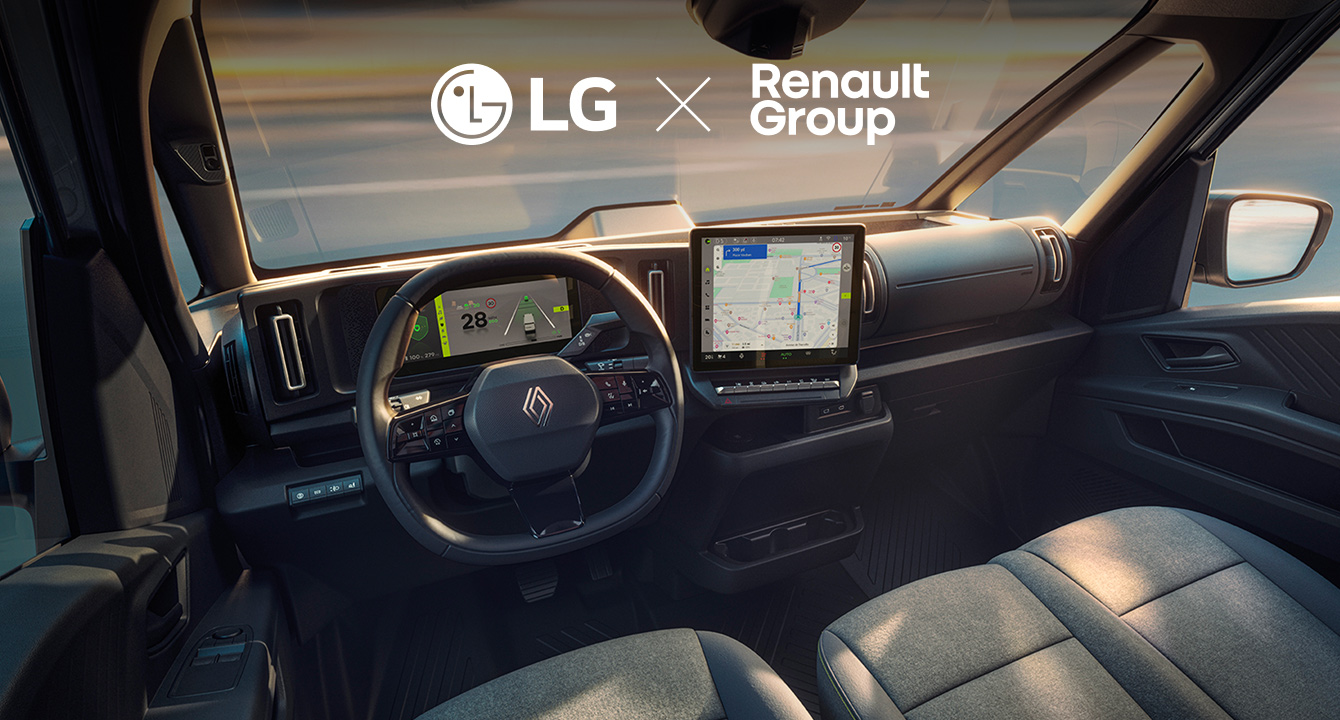
Renault Group has tapped LG Electronics to provide an integrated cockpit system for the New Trafic E-Tech Electric, marking the automaker’s first series-production commercial vehicle built on a software-defined vehicle architecture. The announcement signals that SDV technology is beginning to migrate from premium passenger cars into the commercial van segment.
The system LG will deliver consolidates the van’s instrument cluster and infotainment functions into a single controller. In traditional vehicles, these functions are typically managed by separate electronic control units scattered throughout the vehicle. SDV architectures centralize such functions on high-performance computers, allowing features to be added or updated over the air after the vehicle leaves the factory. According to LG, merging the two cockpit systems reduces the total component count, which in turn helps lower production costs.
The instrument display handles speed readouts and warning indicators, while the infotainment portion manages navigation and media playback. Because both systems share a common platform, information is presented consistently across the van’s screens. The New Trafic E-Tech Electric has already received the International Van of the Year distinction, giving the supply contract added visibility.
The deal builds on a lengthy partnership between Renault and LG. Renault Group recognized LG as an outstanding supplier in 2014, 2017 and 2020, and the two companies worked together on an Android-based infotainment system in 2021. LG is also leveraging interface expertise drawn from its smartphone, television and home appliance divisions as it pursues additional automaker customers across North America, Asia and other regions. Eun Seok-hyun, President of LG’s Vehicle Solution Company, said the company will keep advancing the core technologies and solutions needed to support the mobility industry’s shift toward software-defined vehicles.
The news comes amid a broader wave of SDV-related activity across the industry, with suppliers and automakers racing to build the software stacks that will underpin next-generation vehicles. Vans and other commercial platforms are seen as particularly suitable candidates for centralized architectures, since fleet operators can benefit from remote diagnostics, over-the-air feature updates and reduced maintenance complexity.
What do you think?