
ICE Vehicles Slip Below Half of Global Sales as China Reshapes Its Battery and Joint Venture Map
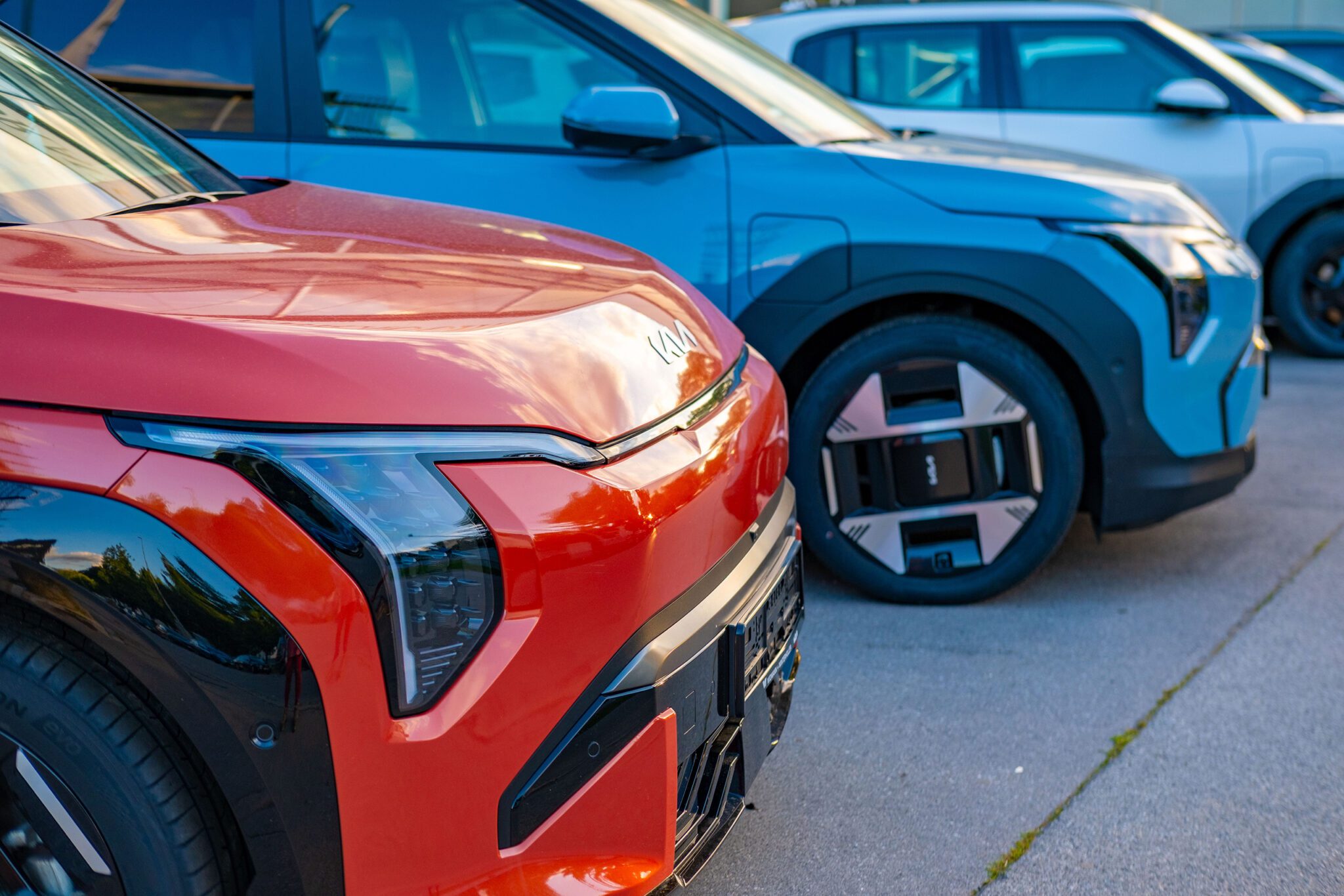
For the first time on record, internal combustion engine vehicles have dropped below 50% of new vehicle sales worldwide. The milestone, highlighted in the latest Industry Pulse roundup, marks a symbolic turning point for an industry that has spent more than a century built around the gasoline engine. Electrified models — spanning hybrids, plug-in hybrids and battery-electric vehicles — now account for the majority of what buyers around the world choose.
The shift is not the only structural change underway. In China, GAC has moved to acquire FAW Group’s 50% stake in their shared Toyota joint venture, a deal that would consolidate Toyota’s two Chinese partnerships under a single local partner. Such a consolidation would simplify Toyota’s manufacturing footprint in its largest market at a moment when foreign automakers are recalibrating how they operate in China.
On the battery front, Beijing has reinstated a consumption tax on lithium-ion batteries, closing an exemption that had stood for 11 years. Notably, sodium-ion and solid-state chemistries remain outside the tax’s scope — a detail that could quietly steer investment toward next-generation battery technologies as manufacturers weigh cost structures.
In the United States, Nissan has set a target of building 80% of the vehicles it sells there domestically by the end of 2030. The goal reflects the broader push among automakers to localize production in response to tariffs, supply chain pressures and shifting trade policy.
Taken together, these developments sketch a global auto industry in the middle of a deep reordering — one where powertrain mix, battery policy, joint venture structures and manufacturing geography are all being redrawn at once.
What do you think?