
ICCT Study: Loosening EU CO2 Targets Could Cost 185,000 Auto Jobs
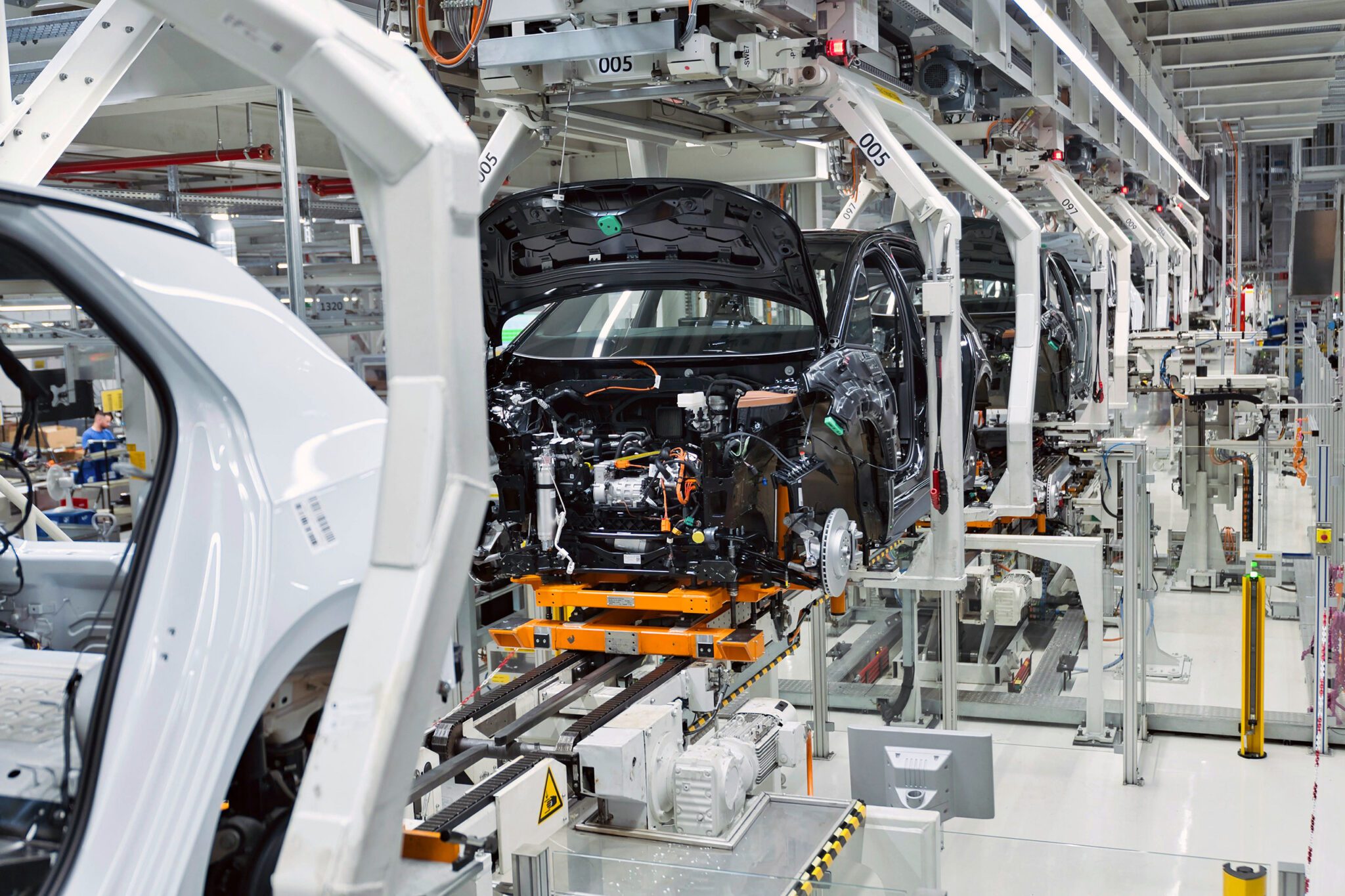
Brussels is weighing whether to soften its car and van emissions rules — and a new study argues that doing so would hurt the very workers the flexibility is supposed to protect. Research from the International Council on Clean Transportation (ICCT) estimates that diluting the current CO2 standards could wipe out as many as 185,000 passenger car industry jobs across Europe by 2035.
Keep the targets as they stand, and the picture looks very different. Employment would hold roughly steady, with new positions in EV assembly and battery production making up for what disappears from combustion engine lines.
The rules in question require fleet-wide cuts of 55% by 2030 and 100% by 2035, both measured against a 2021 baseline. Some of the proposals now circulating in Brussels would push those deadlines back or ease them, framed as a defence of European manufacturing jobs.
Three Roads Out of 2025
The ICCT modelled three scenarios, and the spread between them is wide.
- Status quo: 2035 employment stays close to 2025 levels.
- Standards plus domestic support: EU-based battery and EV production gets backing, adding around 320,000 jobs — a 10% gain.
- Five-year delay: Employment could land up to 6% below 2025, roughly half a million jobs short of the best case.
Up to 2030 the curves barely separate. The real divergence comes later, and it is driven mostly by where vehicles are actually built.
“Weakening the CO2 standards is being presented as a way to protect jobs, but our analysis shows the opposite. Clinging to an obsolete technology like the internal combustion engine won’t help workers in the long run.” — Sandra Wappelhorst, ICCT Research Lead and lead author
Wappelhorst’s recommended alternative is not to scrap the standards but to pair them with policies that shore up European supply chains.
The Battery Bet
There is a catch worth naming. The upbeat scenarios assume that battery cell and EV production happens inside the EU rather than being imported. That assumption has taken hits lately — Northvolt’s collapse and delays at several other European cell projects have left much of the continent’s new capacity dependent on Chinese suppliers such as CATL.
And electrification is not the only force reshaping the workforce. The study isolates powertrain transition as a single variable, setting aside automation, productivity gains and global competition. Restructuring at companies like Volkswagen is driven at least as much by Chinese price pressure and labour costs as by the shift away from combustion engines.
That cuts both ways in the Brussels review. A headline figure of 185,000 jobs at risk gives opponents of the current targets a fresh argument — and hands those defending the rules a number of their own.
Europe’s emissions debate, in other words, has quietly turned into a question about where the next generation of cars and cells will be built. The answer will not be settled by the CO2 text alone.
Source: Automotive World
What do you think?