
Hydrogen Garbage Trucks Stumble in Leipzig as Battery-Electric Fleets Keep Rolling
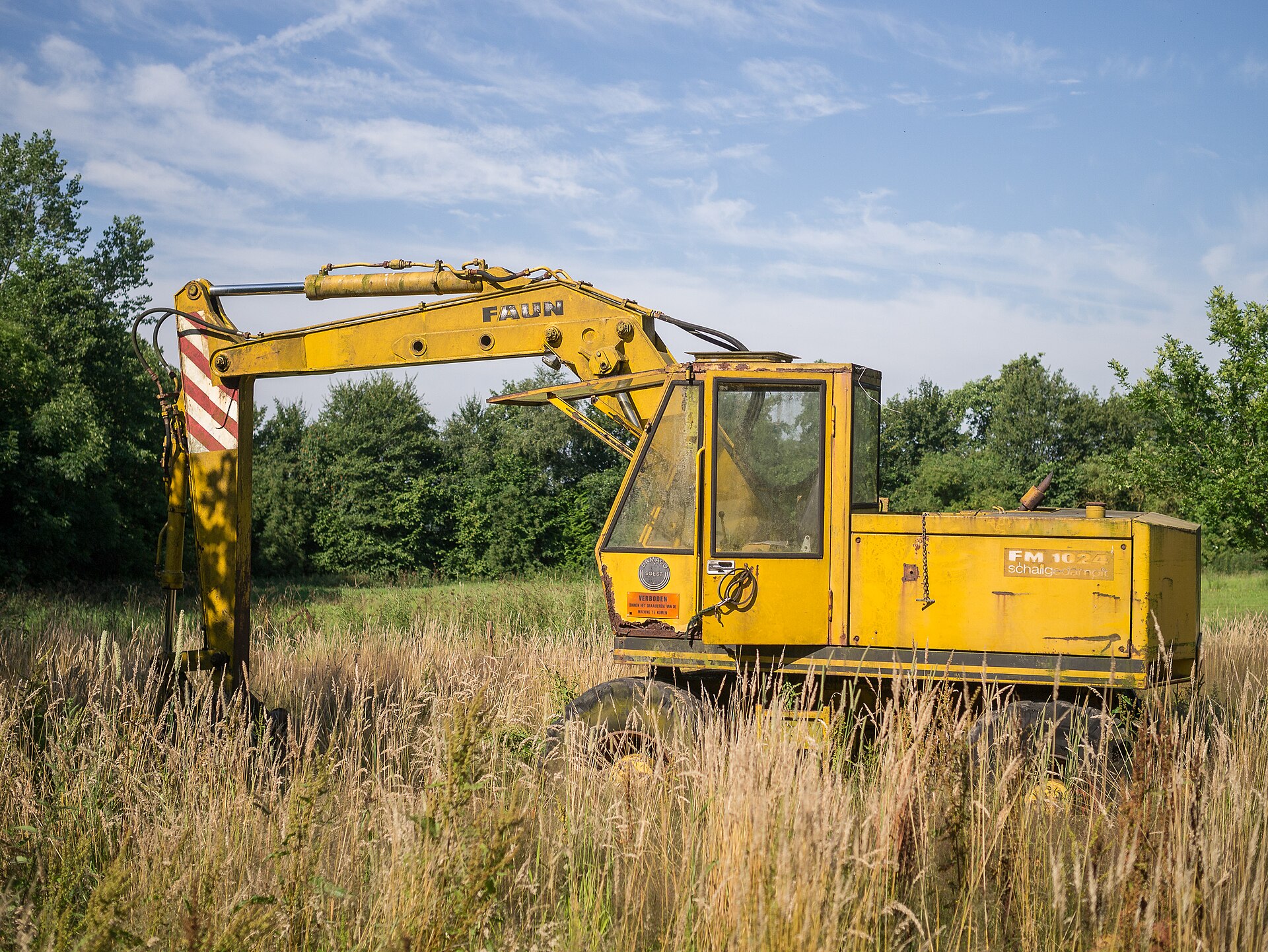
Leipzig’s experiment with hydrogen-powered refuse collection has run into a harsh reality. The eastern German city bought 16 FAUN BluePower fuel-cell garbage trucks back in 2024 — roughly a third of its collection fleet — but two years on, those vehicles were only available for duty 45.6% of the time. Conventional diesel trucks, meanwhile, hit availability rates of about 80%. Breakdowns, maintenance and repairs kept the hydrogen fleet parked far more often than the city could tolerate, and conventional replacements had to pick up the slack. Even purpose-built hydrogen refueling wasn’t enough to keep the trucks dependable.
That gap between a working demonstration and a working fleet is the crux of the problem. Garbage collection isn’t supposed to be a moonshot: routes are short, predictable, and vehicles return to the same depots each night, where charging windows are obvious and stop-and-go driving feeds plenty of regenerative braking. Battery-electric refuse trucks are already proving this out at scale. Copenhagen deployed dozens years ago, Westminster committed to 45 trucks and a dedicated electric depot, and Republic Services in North America runs more than 250 electric collection trucks, with plans to pass 300 by the end of 2026. China already operates thousands. These are ordinary fleet purchases now, not pilot programs.
Hydrogen does have one notable success story: Freiburg, which runs 22 fuel-cell refuse trucks and has built a second hydrogen station for redundancy while developing local production. That achievement shows a committed city can make hydrogen collection work — but it also reveals how much infrastructure a small fleet requires. Feasibility isn’t the same as competitiveness, and Leipzig’s numbers suggest fuel-cell garbage trucks are still far from a straightforward commercial solution.
The real test comes on a Tuesday morning, when the bins need emptying regardless of how novel the drivetrain is. Leipzig’s two-year data offers an answer that raises tough questions about repeat orders, supplier longevity, and whether hydrogen can genuinely compete with batteries in this corner of heavy-duty transport.
What do you think?