
Horizon Aircraft Taps AEE for Avionics on Cavorite X7 Hybrid-Electric VTOL Demonstrator
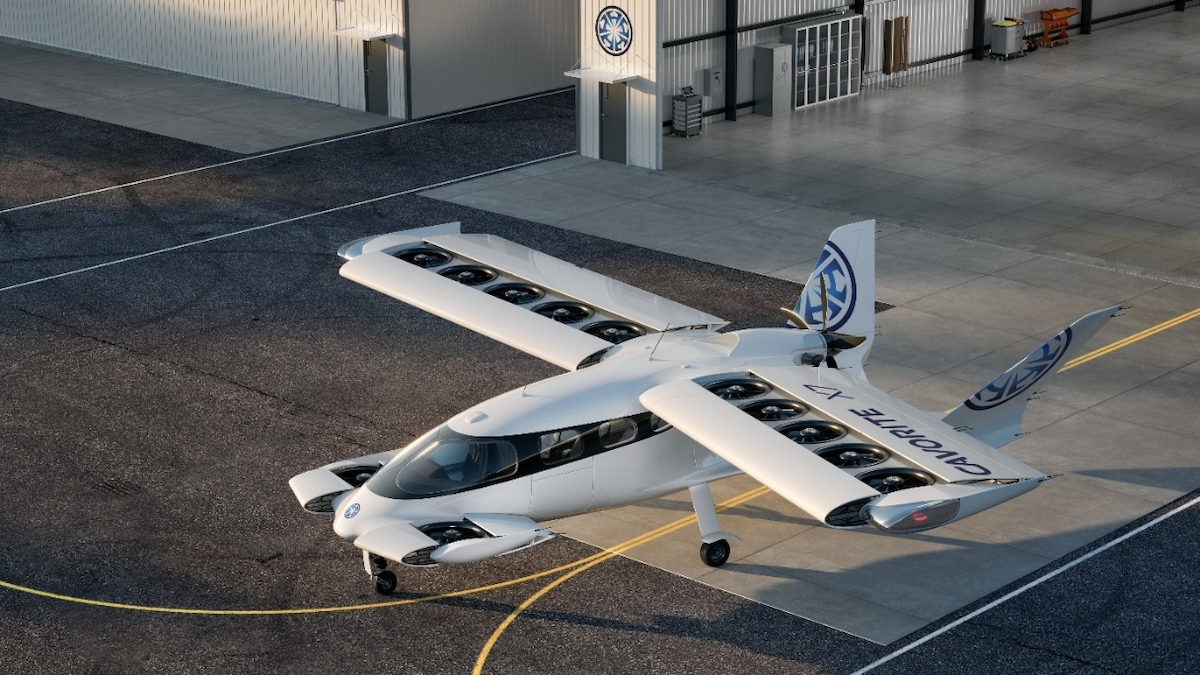
Horizon Aircraft, the Canadian aerospace developer behind the Cavorite X7, has confirmed a new supplier for the aircraft’s powered-lift control system. The company has selected German firm AEE Aircraft Electronic Engineering GmbH to provide its MIAU 1000 avionics platform, a compact hardware solution that will handle the processing and control demands of the Cavorite X7’s electrically driven lift fans. These fans are embedded within the wings and operate alongside the aircraft’s conventional propulsion setup, a configuration central to the hybrid-electric VTOL demonstrator.
The MIAU 1000 is engineered to manage several critical functions simultaneously, including gateway computing, motor and actuator interfacing, data concentration, and flight control. According to AEE, the platform addresses the persistent size, weight, and power constraints that define modern aircraft systems, with individually isolated interfaces designed to connect high-voltage equipment safely to safety-critical avionics. The company states that the platform was developed in accordance with aviation standards such as AMC 20-152A and DO-254, with a design intended to support development assurance levels up to DAL A, and to meet applicable RTCA DO-160G environmental categories.
AEE, headquartered in Wessling, Germany, has been active in avionics since 1987. The company reports that it has developed more than 100 avionics devices, with over 4,000 units currently operating in certified aircraft around the world. Its service portfolio spans engineering, certification support, production, and maintenance, making it a familiar name in certified aviation circles.
For Horizon Aircraft, the agreement adds AEE to the Cavorite X7’s growing supplier network as the company advances its full-scale demonstrator. The Cavorite X7 is designed to blend vertical take-off and landing with conventional wing-borne cruise flight, using wing-embedded lift fans for vertical movement and a separate propulsion arrangement for forward flight. Horizon claims this architecture will deliver higher cruise speeds than helicopters while eliminating the need for a traditional runway.
The company has identified emergency medical services, search and rescue, and defence missions as target applications for the aircraft. Horizon has also stated its intention to pursue production following successful testing and certification, though the path to certification for hybrid-electric VTOL designs remains a complex and lengthy process. The selection of AEE’s platform suggests Horizon is prioritizing proven avionics hardware as it moves toward demonstrating the full-scale aircraft.
What do you think?