
Honda Outsources India Car Development to Tata Technologies in Cost Reset
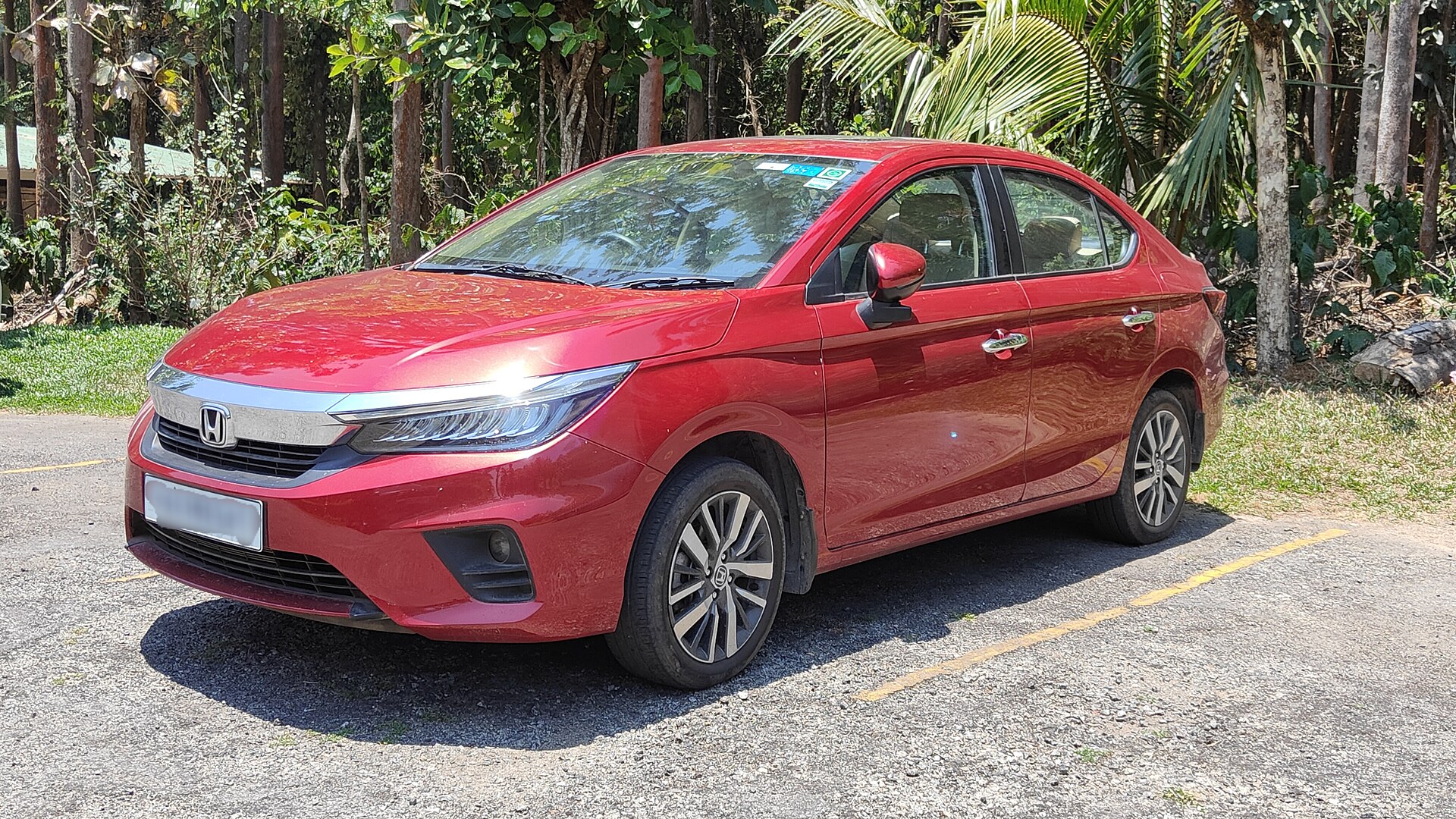
Honda has decided to place the development of its India-specific models in the hands of Tata Technologies, a move aimed at trimming costs by as much as 20% and shortening what has typically been a roughly five-year development cycle by half. People with knowledge of the arrangement say the shift represents a striking departure from the self-reliant engineering culture Honda has long cultivated.
The urgency stems from Honda’s dwindling footprint in India. Its market share there has fallen to 1.3%, down sharply from a peak of more than 7.3% over a decade ago. As local rivals Tata Motors and Mahindra, along with VinFast and Chinese entrants, have expanded with affordable, feature-rich offerings, Honda’s lineup has shrunk to just four models and remains thin in SUVs, the country’s biggest and fastest-growing segment. Vehicles adapted from Japanese or other global platforms have often struck Indian buyers as over-engineered and too expensive. “We need to rebuild the business on an entirely different footing,” President Toshihiro Mibe admitted in May.
Sources describe friction inside Honda over how to proceed: Japanese managers favored sticking with established suppliers to safeguard quality, while the Indian team argued for local sourcing to cut costs and accelerate timelines. That standoff, according to two people familiar with the matter, delayed work on certain products. Honda has publicly rejected the notion of internal disagreement, but it has acknowledged that its Indian lineup has not delivered “value for money” and says it is redefining its offering there. Tata Technologies, once a subsidiary of the Indian conglomerate, was picked for its deep local supplier network and its read on consumer tastes. Honda will continue to oversee quality and keep control of technology, connectivity and ADAS features.
The first fruit of the tie-up is slated to be a sub-compact SUV arriving in 2028, to be followed by a midsize SUV and, later, an effort to revive Honda’s sedan business in the country. India, the world’s third-largest car market and still largely shielded from Chinese EV makers, is Honda’s only major emerging market, meaning a successful launch could turn the country into an export hub.
The arrangement carries inherent tensions. Tata Technologies was spun off from Tata Motors, one of the very competitors gaining ground at Honda’s expense, and Honda is retaining control over connectivity and ADAS—precisely the areas where rivals have outpaced it. Even a halved development cycle of about two and a half years would leave Honda trailing Chinese automakers, which frequently bring new models to market in under two years. The reset also fits a broader retrenchment at Honda, which anticipates cumulative electrification-related losses exceeding US9bn in cost savings over four years. Ultimately, the 2028 SUV will test whether Honda can loosen its grip enough to let local judgment shape its cars—and whether matching Tata Motors and Mahindra on price and features is even sufficient to restore its relevance at a 1.3% share.
What do you think?