
He Came In for an Oil Change, Left With a 38 MPG Maverick Hybrid Instead of His Ranger
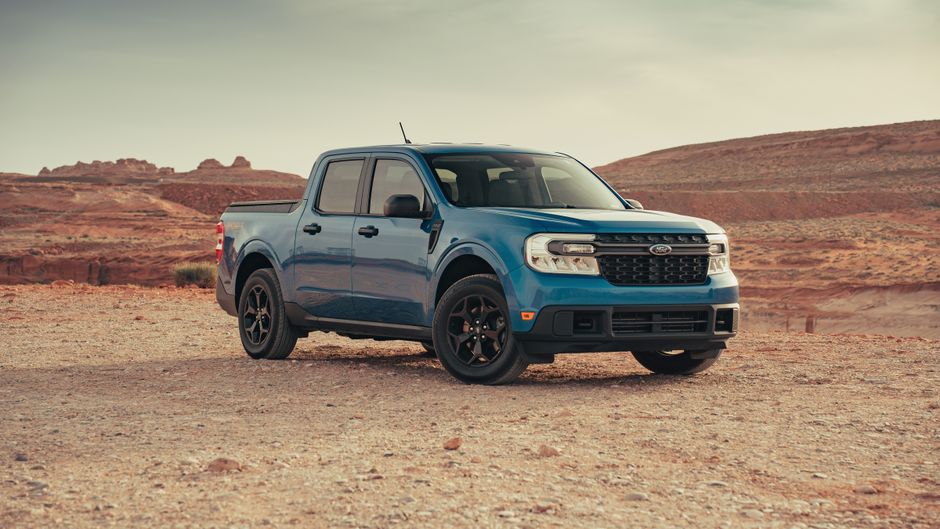
A quick stop at the dealership for an oil change turned into a full-on vehicle swap for one Ford Ranger owner — and the story has the truck community arguing about whether the math actually works.
According to a post shared in a Ford Maverick owners’ community, the driver had been quietly mulling a change for a while. His 2020 Ranger XLT was sitting at roughly 52,000 miles and returning about 18 MPG, a figure that starts to sting on a daily commute.
So when he rolled in for routine maintenance, he rolled out in a new Maverick XLT Hybrid instead.
From Shop Bay to Sales Floor
The dealer handed him $21,000 for the Ranger, which put him behind the wheel of the compact hybrid pickup without much drama. His early verdict, shared after the first evening of driving: the truck feels smooth on the road, and he clocked around 38 MPG on that initial outing. He did note one small loss — the Ranger’s blind-spot monitoring system — though he figured the Maverick’s smaller footprint makes it less of a concern.
The Numbers at a Glance: ~18 MPG in the 2020 Ranger XLT · ~38 MPG in the Maverick Hybrid · $21,000 trade-in on a 52,000-mile Ranger · New Maverick starting well under $30,000
That jump is the whole pitch of the Maverick, really. Ford’s decision to bring back a genuinely small, genuinely cheap pickup gave buyers an exit ramp from mid-size trucks they were fueling but rarely fully using.
The Argument in the Comments
Not everyone saw a smart move. The thread split almost immediately, and the pushback wasn’t unreasonable. Trading a functioning vehicle for a new one resets depreciation, and fuel is only one line on the ledger.
One commenter put it bluntly: gasoline is a minor expense in the overall cost of ownership, and the decision looked like it had been made without running the numbers first.
- The case for the swap: Halving fuel consumption pays off month after month, especially for high-mileage commuters who feel every fill-up.
- The case against: A new loan, fresh depreciation, pricier insurance, and lost equity can eat the fuel savings for years.
- The middle ground: Whether it works depends entirely on how much you drive and how often you actually need a bigger truck.
That last point is the one most owners skip. Commuters who tow twice a year are effectively paying a “capability tax” every day they drive — and the Maverick exists precisely to stop that.
The AWD Question Is No Longer a Dealbreaker
The old knock on the Maverick Hybrid was simple: front-wheel drive only. If you lived somewhere with real winters or needed traction on unpaved roads, the hybrid was off the table and you stayed in the thirstier mid-size segment.
Ford has since addressed that with all-wheel drive for the 2.5-liter hybrid powertrain, plus an available 4K Tow Package good for up to 4,000 pounds. That closes the biggest remaining gap between the compact hybrid and a traditional mid-size workhorse.
It doesn’t make the Maverick a Ranger replacement for everyone. Payload, frame strength, and max towing of up to 7,500 pounds in the Ranger still matter to people who use them. But for the buyer who mostly hauls groceries, bikes, and the occasional lumber run, the smaller truck now covers the bases without the fuel penalty.
What This Actually Tells Us
One garage swap isn’t a market trend. But it is a pretty tidy illustration of one. Ford created the compact truck segment out of nothing, and the Maverick’s continued success suggests a lot of people were driving more truck than they needed — and knew it.
Whether walking out of the service bay with a new set of keys is smart or impulsive comes down to a single question. Do your weekly drives genuinely require a mid-size truck, or has a compact hybrid been enough all along?
Source: Torque News
Curious how this compares to other EVs? Try our comparison tool →What do you think?