
GM Pins Its China Counterattack on a 40x Compute Boost and AI
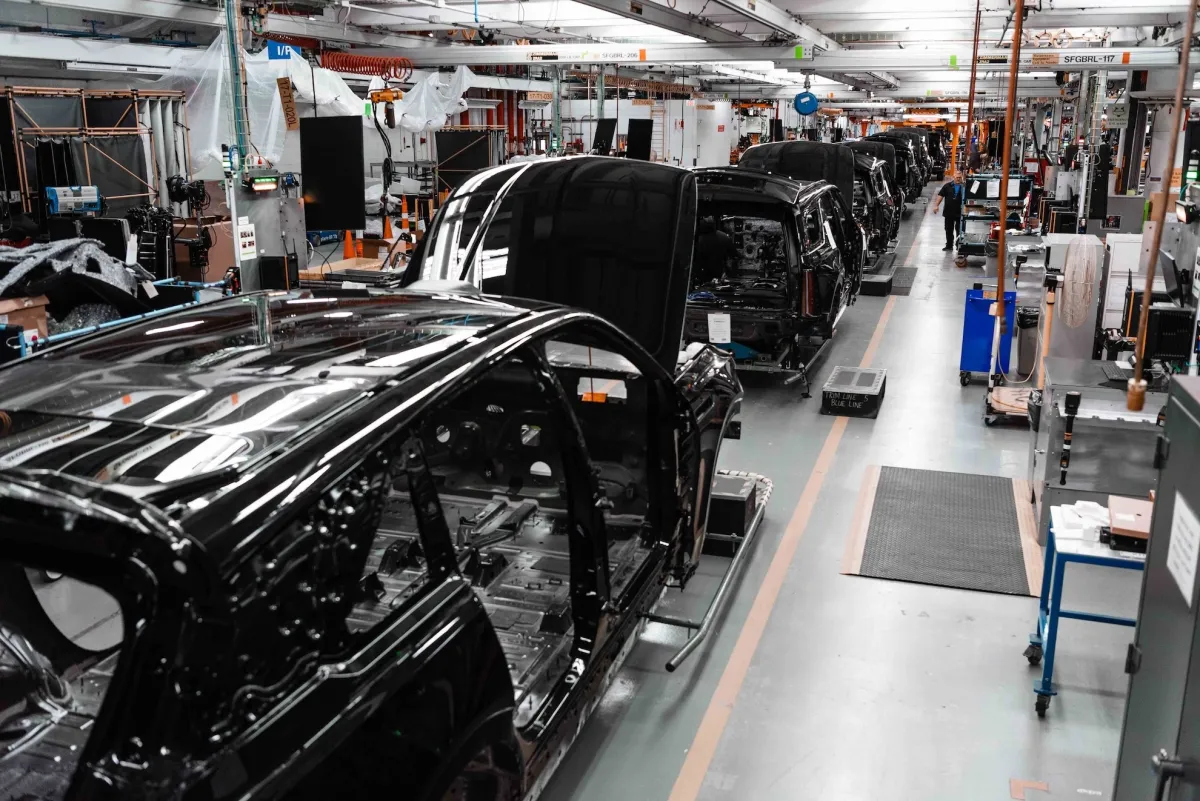
GM has laid out its plan to close the gap with Chinese automakers, and the headline isn’t horsepower — it’s processing power. At its GM Forward event in New York, the company unveiled a fourth-generation EV platform built around a central computing unit it says is 40 times more powerful than today’s hardware. The first vehicle to carry it: the Cadillac Escalade IQ, arriving in 2028.
What GM didn’t spend much time on says plenty. There was no talk of suspension geometry or torsional rigidity — the old car-guy metrics. Instead, the presentation revolved around battery chemistry, redesigned electric motors, and a single electrical architecture tying together acceleration, steering, braking, active safety and, above all, software.
One brain instead of dozens of chips
For years, legacy automakers scattered small chips throughout the vehicle. GM now reckons that approach was an anchor. Consolidating functions into a Central Compute Unit should cut wiring by roughly 30%, trimming weight and simplifying assembly lines.
The CCU will handle propulsion and chassis duties as well as perception and active-safety work — the groundwork for the driver-assistance features GM also confirmed. A hands- and eyes-off highway driving system is slated for the same 2028 window.
Key Specs: 40x more compute than current GM systems · 30% less wiring · Debuts 2028 in Cadillac Escalade IQ · Hands-off highway autonomy in 2028
Notably, the unit will also run on combustion models. GM is hedging its bets, and sensibly so.
Why Chinese rivals forced the rethink
The timing isn’t accidental. Chinese manufacturers have squeezed development cycles down to two to three years, against the traditional four to five. GM wants to match that, and it’s leaning on enterprise AI to do it.
One illustration from the event: engineers ran through 300,000 virtual designs of a lithium-manganese-rich battery pack before a single physical prototype existed. The concept reportedly went from idea to approved program in a month.
GM’s software spending is already substantial. Capitalized software amortization in 2025 came to $866 million, a figure that hints at the scale even when costs are spread across several years. The company also famously dropped Apple CarPlay across nearly all its EVs in favor of a Google-based infotainment stack.
The road ahead is steep
Comparisons are unavoidable. Tesla has pushed autonomy further largely because it built a genuinely software-defined vehicle from the start. Volkswagen struggled so badly in-house that it paid roughly $5.8 billion to partner with Rivian.
Then there’s the cost pressure from China. Overcapacity at Chinese factories, combined with subsidies and cheaper labor, has pushed inexpensive vehicles into markets from Europe to South America. Elon Musk put it bluntly on a 2024 earnings call — without trade barriers, Chinese automakers “will pretty much demolish most other companies in the world.”
The full package — new architecture, new battery and motor tech, faster development — gives GM a credible shot at relevance in the software era. Whether it’s enough to reclaim leadership is another question entirely. The hardware arrives in 2028. The market won’t wait politely.
Source: TechCrunch - Transportation
What do you think?