
GM CEO Mary Barra's Pay Package Nears $50 Million, Tripling Ford's CEO Compensation
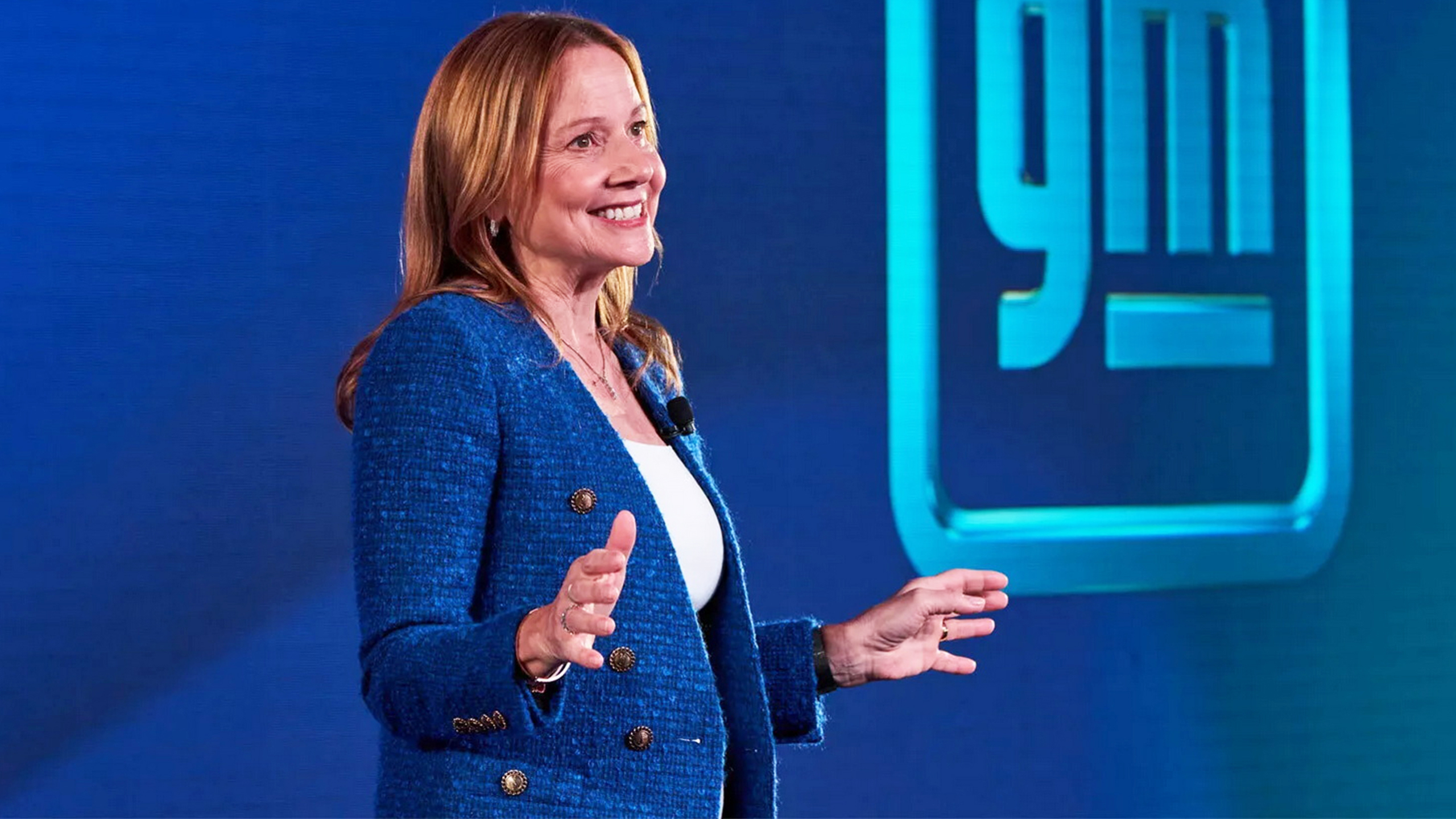
General Motors CEO Mary Barra took home close to $50 million in total compensation last year, a figure that stands roughly three times higher than what Ford CEO Jim Farley earned over the same period. The disclosure, first reported by Carscoops, highlights the widening gap in executive pay between two of Detroit’s most storied automakers as both navigate an expensive transition toward electric vehicles and software-defined cars.
The pay disparity arrives at a moment when legacy automakers are under pressure on multiple fronts. GM has been scaling back some of its earlier EV ambitions while still investing heavily in battery plants, Ultium-based platforms and autonomous driving through its Cruise unit. Ford, meanwhile, has been recalibrating its own EV roadmap, delaying some production targets and reshuffling its electrification strategy. Against that backdrop, the compensation numbers invite scrutiny from shareholders, unions and policymakers who question whether such packages are justified by performance.
Executive pay at the Detroit Three has long been a flashpoint. The United Auto Workers used the issue as a rallying cry during recent contract negotiations, arguing that rank-and-file workers deserved a larger share of profits while top executives collected ever-larger awards. Barra’s total package, which typically combines salary, stock awards and performance-based incentives, has consistently placed her among the highest-paid auto industry leaders. Ford’s CEO compensation, while still substantial, trails significantly.
The comparison also underscores differing corporate governance approaches. GM’s board has tied a large portion of Barra’s pay to long-term metrics including EV rollout, software revenue and profitability targets. Ford has structured Farley’s compensation around its own turnaround plan, which includes Ford Pro commercial vehicles and hybrid offerings. How each company’s stock performs and how quickly their EV bets pay off will likely shape future pay decisions.
For investors and industry watchers, the headline number is less about personal wealth than about signal. Compensation packages are read as a proxy for board confidence, strategic priorities and the perceived difficulty of the job. With both GM and Ford facing slowing EV demand, pricing pressure and competition from Tesla and Chinese manufacturers, the next few years will test whether these pay levels can be sustained — and whether shareholders push back.
What do you think?