
GM CEO Mary Barra's Pay Package Approached $50 Million in 2024, Tripling Ford CEO's Compensation
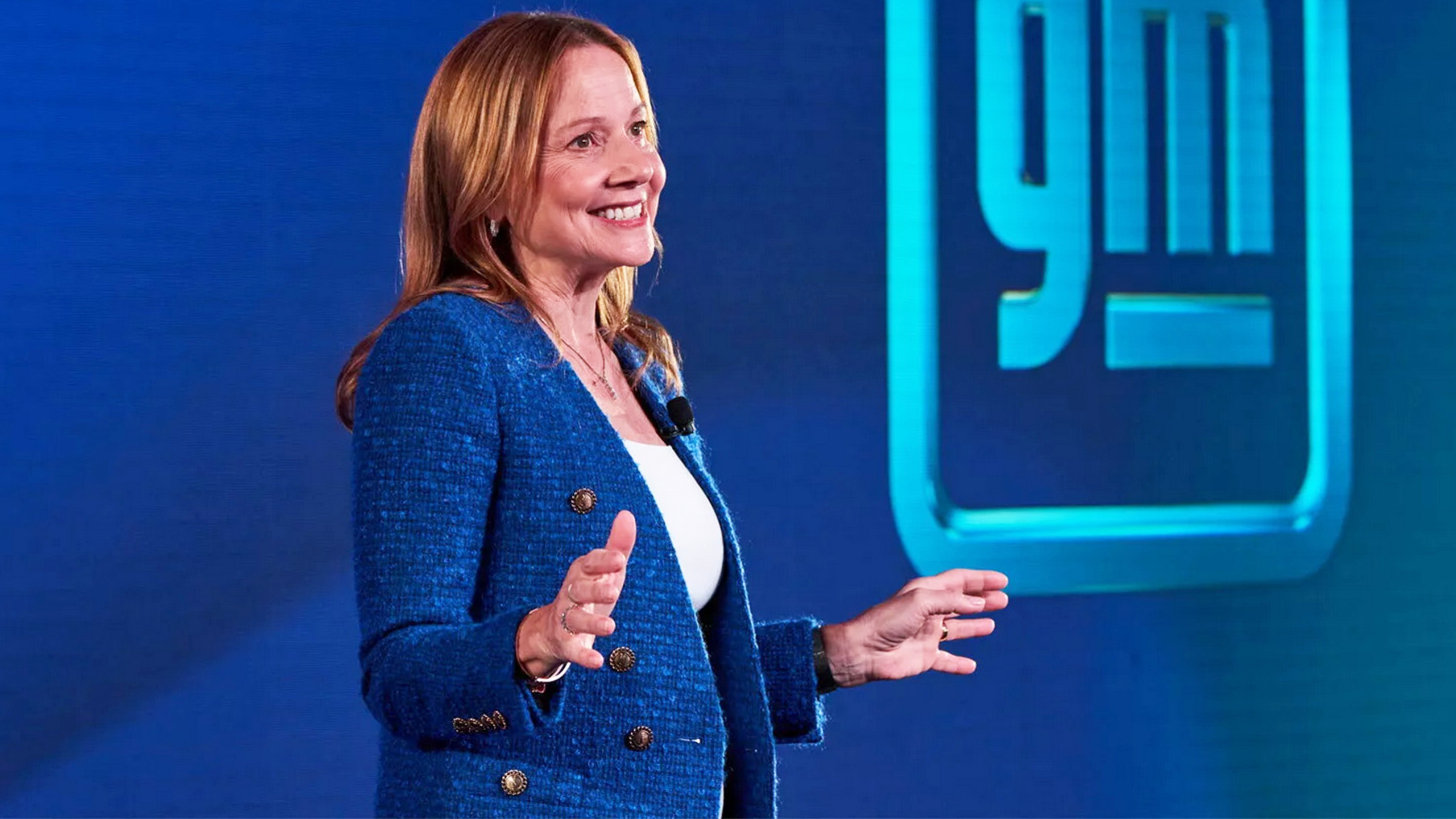
General Motors chief executive Mary Barra received total compensation of nearly $50 million last year, a figure that stands roughly three times higher than the pay awarded to Ford CEO Jim Farley over the same period. The disparity highlights the divergent financial results and shareholder returns at the two Detroit automakers, as well as the different structures of their executive compensation plans.
Barra’s package, disclosed in GM’s annual proxy filing, was heavily weighted toward performance-based stock awards and options tied to the company’s profitability, electric vehicle rollout, and share price performance. Farley’s compensation at Ford, while still substantial, reflected a year in which the automaker faced higher warranty costs, slower EV adoption, and restructuring charges that weighed on its bottom line.
The pay gap also underscores the contrasting strategic positions of the two companies. GM has posted stronger earnings in recent quarters, benefited from robust truck and SUV sales, and made progress on its Ultium battery platform and autonomous driving unit Cruise. Ford, meanwhile, has been working to improve quality and cut costs while navigating a bumpy transition to electric vehicles.
Executive pay at major automakers has drawn increasing scrutiny from investors and policymakers, particularly as the industry invests billions in EV and software development. GM’s proxy statement noted that a significant portion of Barra’s compensation is tied to long-term performance metrics, meaning the final value could fluctuate with the company’s stock price. Ford has similarly emphasized pay-for-performance in its own disclosures.
The compensation figures arrive as both automakers prepare for a challenging 2025, with potential policy shifts in Washington, evolving consumer demand for EVs, and intensifying competition from overseas rivals. How each company navigates those pressures will likely influence future pay decisions for their top executives.
What do you think?