
Global EV Milestone: ICE Sales Slip Below 50% for the First Time
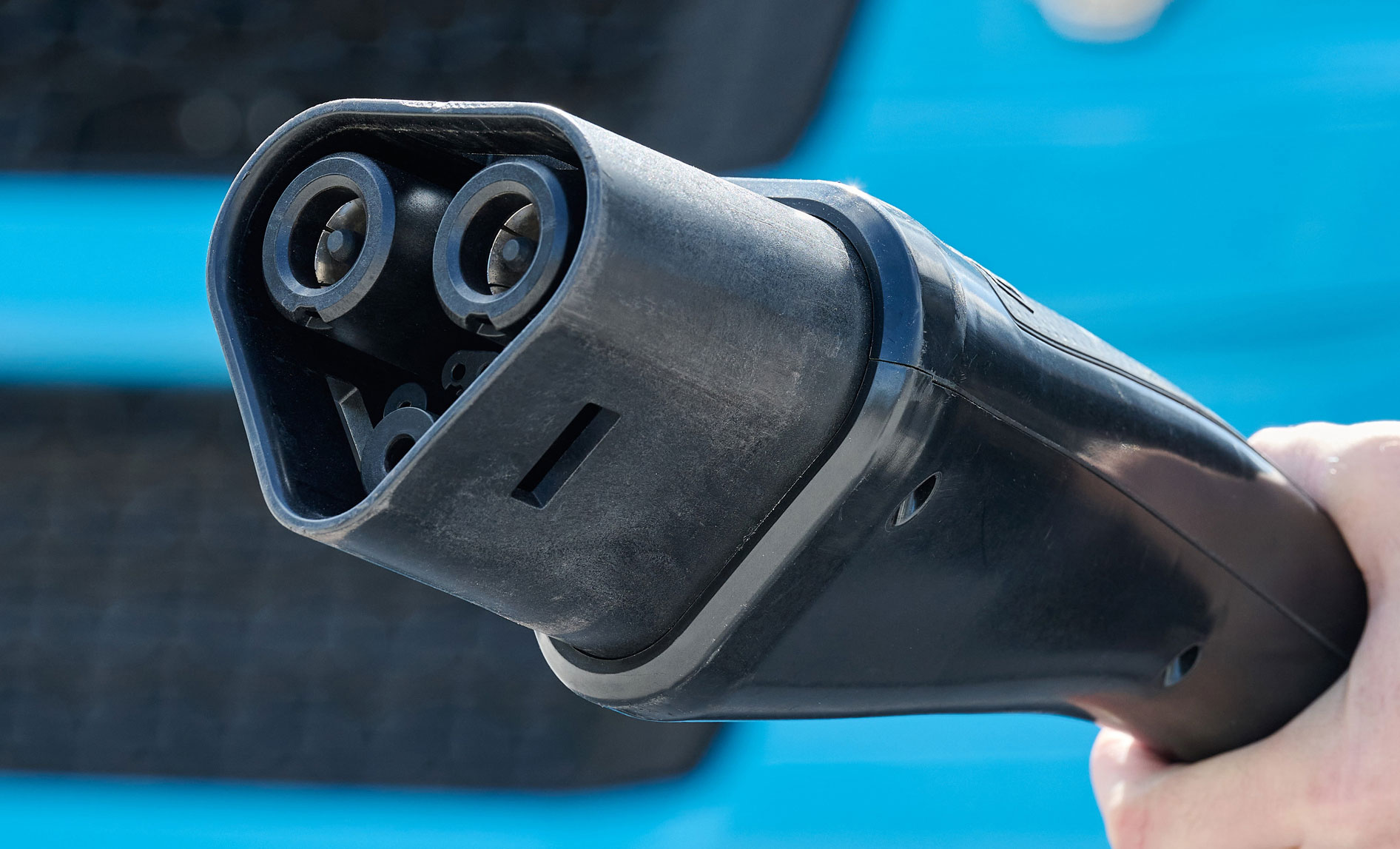
The global auto market has crossed a symbolic threshold. According to the latest e-mobility industry roundup, internal combustion engine vehicles accounted for less than half of all new vehicles sold worldwide during the first six months of 2026 — the first time this has happened in modern automotive history. The milestone signals that electrified powertrains are no longer a niche segment but are actively displacing conventional gasoline and diesel models at a global scale.
The shift is being reinforced by policy moves in China, the world’s largest automotive market. Beijing has decided to reintroduce a consumption tax on lithium-ion batteries, while keeping sodium-ion and solid-state chemistries exempt from the levy. The structure of the tax effectively nudges manufacturers and buyers toward next-generation battery technologies, and it could reshape sourcing decisions for both domestic automakers and foreign brands that depend on Chinese battery supply chains.
On the investment side, battery producers PowerCo and Gotion are preparing to commit roughly €3.22bn (about US$3.68bn) across three joint ventures covering battery cells and materials. The scale of the commitment underscores how aggressively suppliers are positioning themselves for a market where battery cost and chemistry — not just vehicle design — determine competitiveness.
European demand provided a further boost in September. Both BYD and Tesla recorded stronger sales as the region’s EV market accelerated, with BYD’s overseas volumes climbing 152%. That performance highlights how Chinese manufacturers are translating domestic scale into export momentum, even as trade tensions and tariff discussions continue to shape the European landscape.
Taken together, these developments point to a market in transition rather than a single turning point. Falling ICE share, changing battery taxation, multi-billion-euro supply chain investments and surging export volumes all suggest that the second half of the decade will be defined less by whether electrification happens and more by which companies and technologies capture the value it creates.
What do you think?