
Gigafactory Insights: The Overlooked Sealing Demands of EV Battery Production
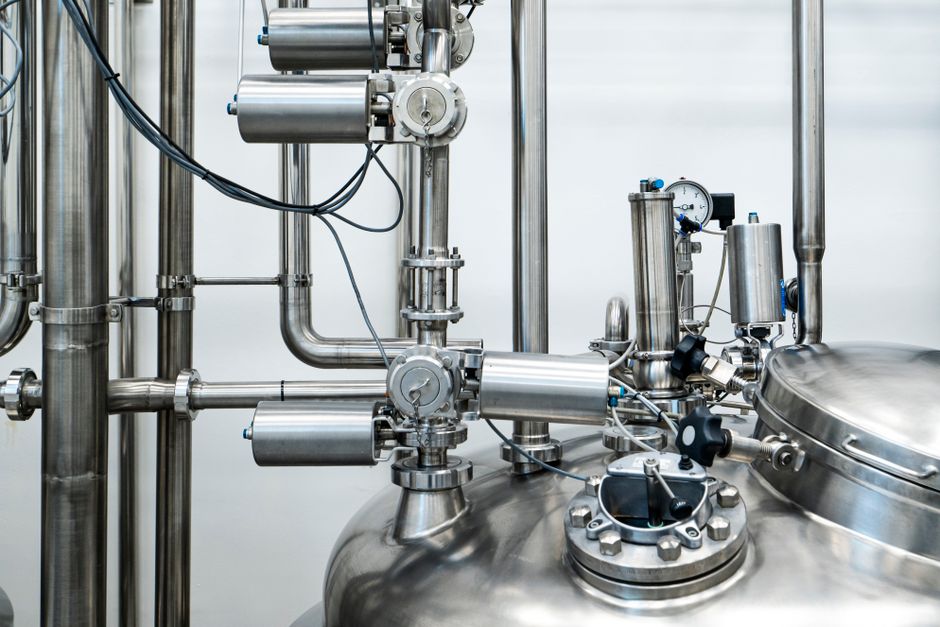
Building an EV battery is far more intricate than simply stacking cells. A modern gigafactory is a symphony of interconnected processes—electrode coating, solvent management, vacuum drying, electrolyte dosing, cell conditioning, and final pack assembly—all relying on an elaborate web of pipes and machinery. During electrode preparation, chemicals like NMP are transported and handled in closed loops to prevent loss and contamination.
Yet, as a recent Charged EVs webinar highlights, these systems present hidden sealing challenges. Every valve, flange, and joint must withstand aggressive solvents, temperature swings, and vacuum conditions. A single leak can halt production, compromise quality, or raise safety risks. This is especially critical in vacuum drying and electrolyte filling stages, where even microscopic gaps allow moisture or air to spoil the cell.
The takeaway? Gigafactory engineers need to think beyond basic gaskets. Selecting the right sealing materials and designs—ones that resist chemical attack and maintain integrity under pressure—is a subtle but vital factor in scaling up battery manufacturing efficiently and reliably.
What do you think?