
GAC's Inpow Battery Starts Building in Thailand, Hits 300,000 Packs
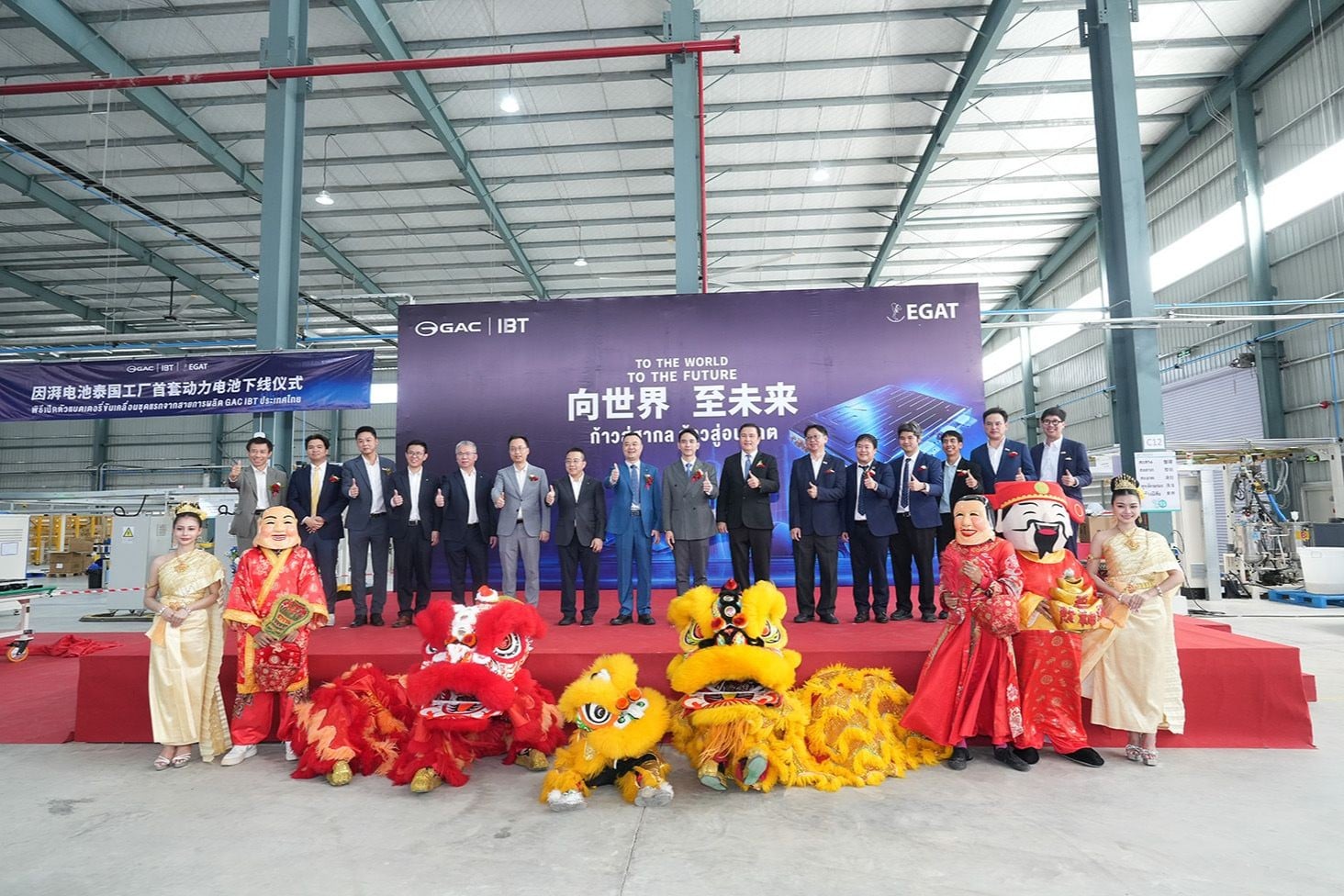
GAC is taking another step toward a self-contained supply chain in Southeast Asia. Inpow Battery Technology — the group’s in-house battery arm — has kicked off production at a brand-new plant in Thailand, roughly two years after GAC Aion first put vehicles together in the same country.
Production officially began on 29 October. The site sits in Si Racha, Chonburi Province, east of Bangkok — a location that puts it close to Thailand’s established automotive corridor and, just as importantly, close to GAC’s own vehicle assembly operations.
The timing lines up with a second milestone for Inpow. The company says its cumulative global output has now passed 300,000 battery packs, cells-and-modules work that already feeds GAC Aion’s electric lineup, including the i60, N60 and UT.
Why Thailand, and why now
Thailand has spent years repositioning itself from a traditional pickup and combustion hub into a regional base for electric mobility. Government incentives have pulled in a wave of Chinese manufacturers, and GAC is far from alone in planting a flag there.
What sets this move apart is the vertical integration. GAC Aion’s Thai vehicle plant opened back in July 2024; adding battery production on home soil means a meaningful slice of the value chain now sits in the region rather than being shipped in.
- Shorter logistics: packs travel meters, not thousands of kilometres
- Less reliance on China: a hedge against cross-border supply friction
- Regional springboard: Thailand as a launchpad for neighbouring markets
Milestone: Inpow’s worldwide cumulative battery production has reached 300,000 packs, with the Thai plant now online.
The competitive calculation
Localising batteries is not a feel-good gesture — it is a cost and resilience play. Shipping finished packs across borders is expensive and slow, and any disruption at a Chinese port or border crossing ripples straight into vehicle delivery schedules. Building where you sell shortens that chain considerably.
The broader picture is a crowded one. BYD, Changan and several other Chinese groups have been steadily deepening their Thai footprints, and a battery plant is one of the harder commitments to walk back once made.
GAC has not disclosed the Thai plant’s nameplate capacity, nor which models will first receive locally built packs. Those details will matter for judging whether this is a symbolic opening or a genuinely large-scale shift.
What is clear: GAC now has both vehicle and battery manufacturing inside Thailand. For a group betting on Southeast Asia as a growth engine, that combination is the foundation everything else gets built on.
Photo: GAC / electrive.com · Official Press Kit / Editorial (Editorial / Press Kit)
Source: electrive.com
Curious how this compares to other EVs? Try our comparison tool →What do you think?