
Ford's Model e Losses Shrink, Helping Q3 Operating Profit Edge Higher
Ford’s electric division is still bleeding money — just less of it. And oddly enough, that shrinking loss is one reason the automaker’s third-quarter operating result came in looking healthier than revenue trends alone would suggest.
The company posted **US$2.7bn in adjusted operating income for Q3, a 3% gain year-on-year**, even as revenue slipped 2% and consolidated wholesales fell 9.3%. A US$172m contribution from Ford Credit and a friendlier product mix did much of the heavy lifting.
The Strange Math of Model e
Model e, Ford’s dedicated EV unit, saw sales drop by almost a third. Under ordinary circumstances that would be a red flag. Here it works the other way: each vehicle the division sells currently comes with a loss attached, so moving fewer of them trims the drag on the group’s bottom line.
That is not a sustainable business model, and Ford knows it. But for a single quarter it buys breathing room — and it explains why a headline about collapsing EV volumes sits alongside a headline about profit growth without contradiction.
- Adjusted operating income: US$2.7bn, up 3% year-on-year
- Revenue: down 2%
- Consolidated wholesales: down 9.3%
- Ford Credit contribution: US$172m
- Model e sales: down nearly a third
What the Numbers Really Say
Strip out Ford Credit and the picture gets thinner. Financing arms are steady earners, and a US$172m swing from that side of the house can flatter an otherwise flat quarter.
The product mix point matters too. Selling more of the profitable stuff — trucks, larger utilities, commercial vehicles — while selling fewer loss-making EVs is a tidy way to improve margins without actually fixing the EV cost problem.
Ford has spent the past two years rethinking its electrification spending, slowing some capacity plans and leaning harder on hybrids and commercial electrification where the margins are less punishing. Q3 reads like that strategy showing up in the accounts.
The Question Nobody Has Answered Yet
Narrowing losses is progress. Eliminating them is the actual job, and the source material offers no timeline for getting there — no per-unit loss figure, no cost-per-kWh target, no date when Model e turns profitable.
Investors will want that detail, especially with rivals also reporting mixed quarters and the broader market sending clear signals that cheap capital for EV expansion is over. A smaller loss is a better story than a bigger one. It is not yet a good story.
For now, Ford can point to a quarter where the arithmetic worked in its favour. The next few will show whether that was strategy or simply subtraction.
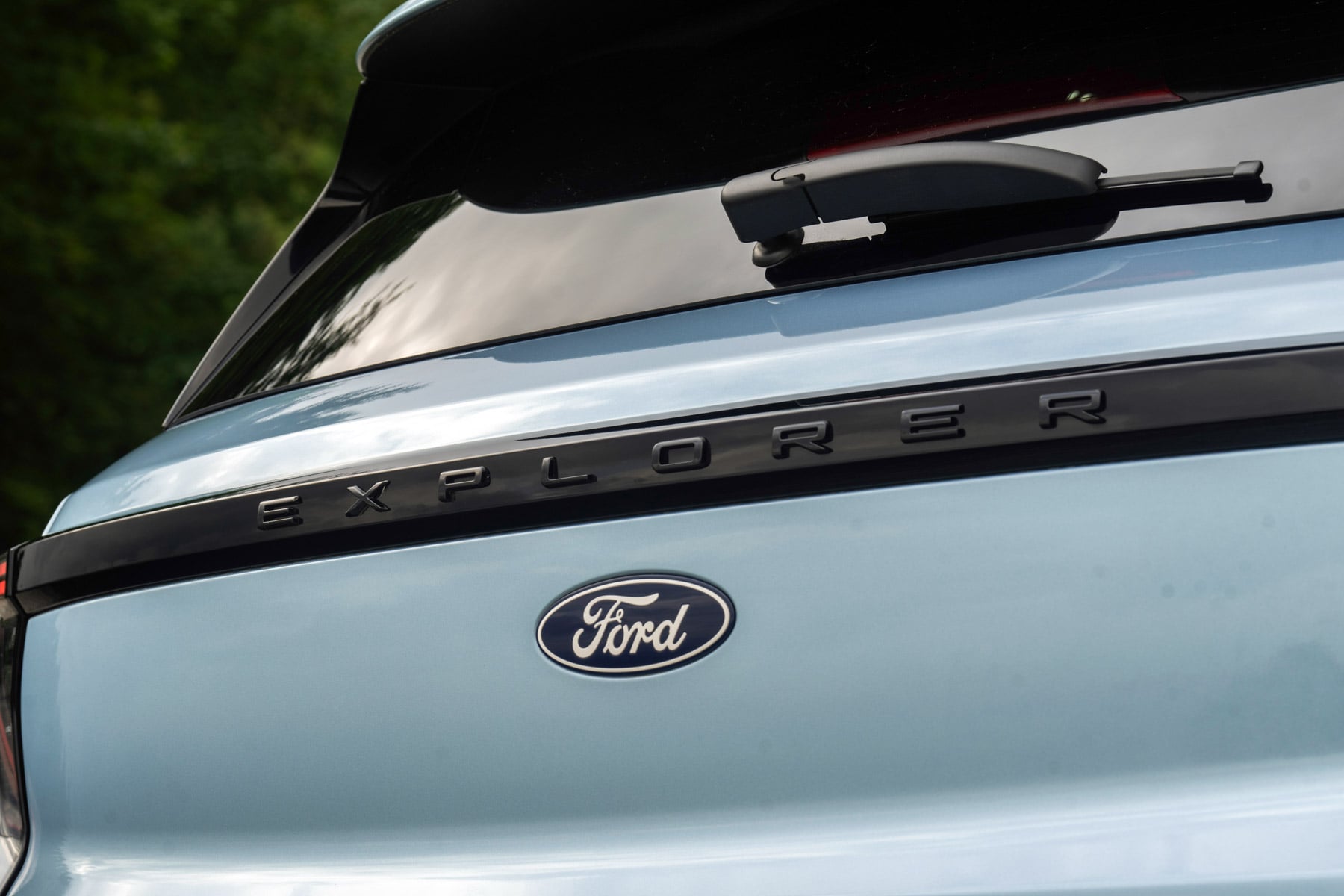
Photo: Ford / electrive.com · Official Press Kit / Editorial (Editorial / Press Kit)
Source: Automotive World
What do you think?