
Ford's Fathom Wants to Put Your House on Wheels — With 10 kW of Backup Power
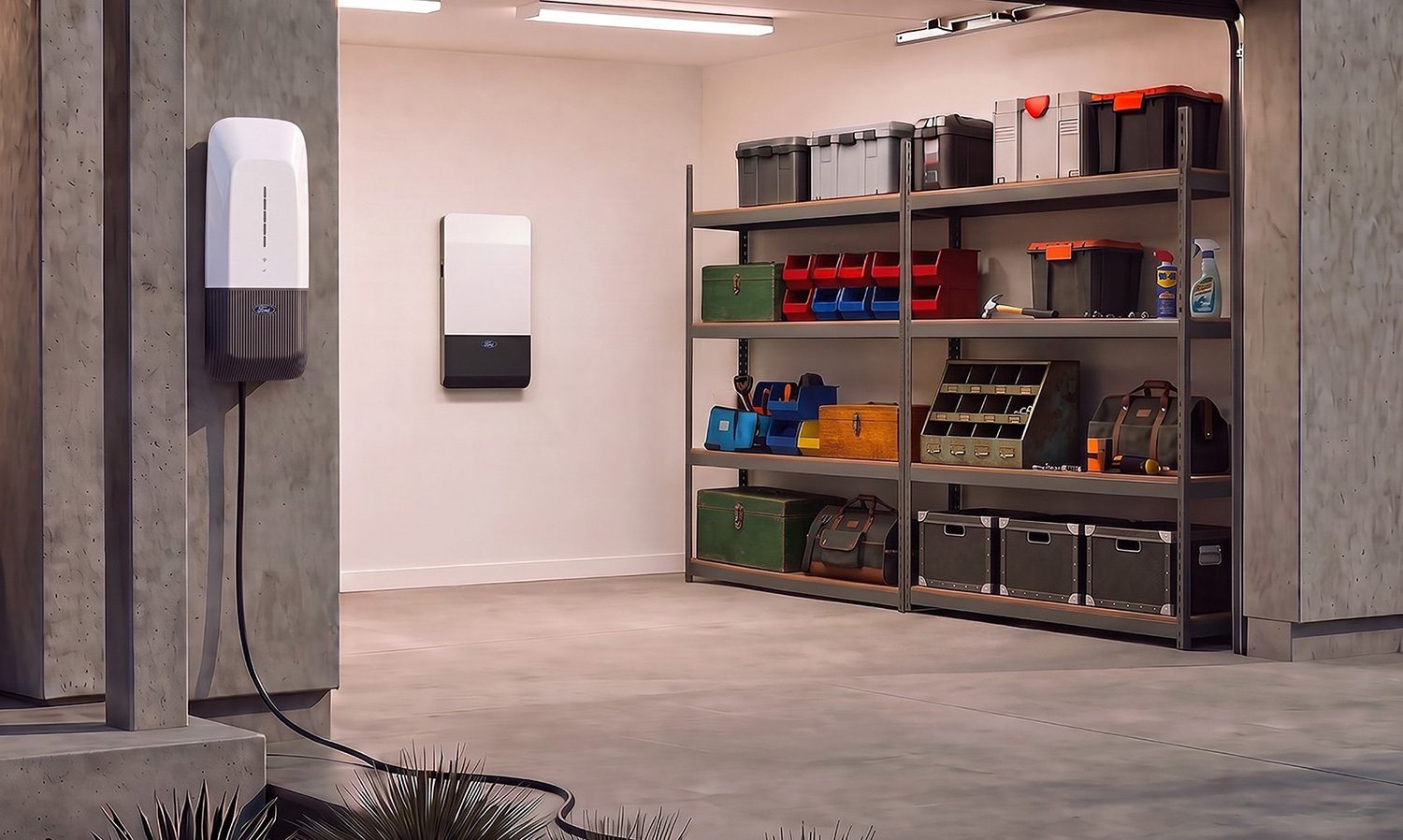
Ford is taking a second run at home energy sharing with the Fathom, the electric truck due in 2027. Its onboard hardware can push 10 kW of AC power straight into a house — no separate wall-mounted inverter required. That single detail is the headline here, because it is precisely what made earlier attempts expensive and fiddly.
The truck’s V2X setup was developed from scratch, not carried over from the doomed F-150 Lightning. Ford bought startup Auto Motive Power back in 2023 and handed its engineers a clean sheet for the Universal EV Platform’s bidirectional hardware and software. The result is a leaner architecture: fewer components, including a multi-function inverter packaged into the vehicle’s E-box, one of Fathom’s five core modules.
Ford also built the system to play by the rulebook. It targets all applicable UL 1741 requirements, uses the SAE J3068 communications standard (with LIN-CP), and complies with IEEE 1547 interconnection standards for grid connection.
Key Specs: 10 kW AC home output · No external wall inverter · SAE J3068 (LIN-CP) · UL 1741 & IEEE 1547 compliant · Arrival 2027
Two Ways to Use the Power
For residential buyers, Fathom’s bidirectional capability splits into two distinct products:
- Home Power Management: Charge cheap, discharge dear. The truck soaks up electricity when time-of-use rates are low, then feeds the house when they spike. Note the catch — this only works if your utility actually offers TOU pricing.
- Home Backup Power: When the grid drops, the truck steps in. This one needs both the Ford Home Power Station and the Ford Home Backup Power Panel.
The money angle matters. Ford says the Home Power Station should land at roughly half the price of its first-generation bidirectional charger, while the Home Backup Power Panel is expected to cost about 60% less than the earlier home backup hardware. Cheaper gear is what turns a niche feature into something normal people can actually buy.
The Grid Question Is Still Open
Vehicle-to-grid service, where owners get paid for feeding the network, is the dream. Pilots exist. Widespread adoption? Nobody knows the timeline yet.
Ford has hedged by forming a utility working group with five major utilities, aimed at defining interconnection processes that can scale. The group set itself three targets:
- Clarify scope: Backup power shouldn’t trigger interconnection rules at all — only running the truck in parallel with the grid should.
- Modernize the rulebook: Update procedures so they reflect current bidirectional charging standards, covering DC and AC systems alike.
- Bring everyone to the table: Utilities, regulators and automakers need to align so these vehicles can plug in without a bureaucratic ordeal.
It is competent, forward-looking work, and the engineers behind it clearly know their subject.
Ford’s Real Problem Isn’t Engineering
The awkward part is corporate history. Ford had an electric pickup and a bidirectional charging system to match, then cancelled both after three years, pointing to thin profits. Plenty of observers suspect the reasoning was more political than financial. The F-150 Lightning’s demise arrived alongside a wider retreat from EVs, and renaming the Tennessee Electric Vehicle Center to the Tennessee Truck Plant said plenty on its own.
US automakers have also been fickle about smaller pickups for decades. Trucks are a fashion item, and for a chunk of buyers, sheer size and noise are the whole point.
So the question hangs there: does Fathom succeed and drag residential V2X into the mainstream, or does it get scrapped the next time Washington throws an anti-EV fit? As ever with this industry, we wait.
Photo: Ford / Charged EVs · Official Press Kit / Editorial (Editorial / Press Kit)
Source: Charged EVs
Curious how this compares to other EVs? Try our comparison tool →What do you think?