
Ford Flex: Why the Beloved Boxy Crossover Disappeared from Showrooms
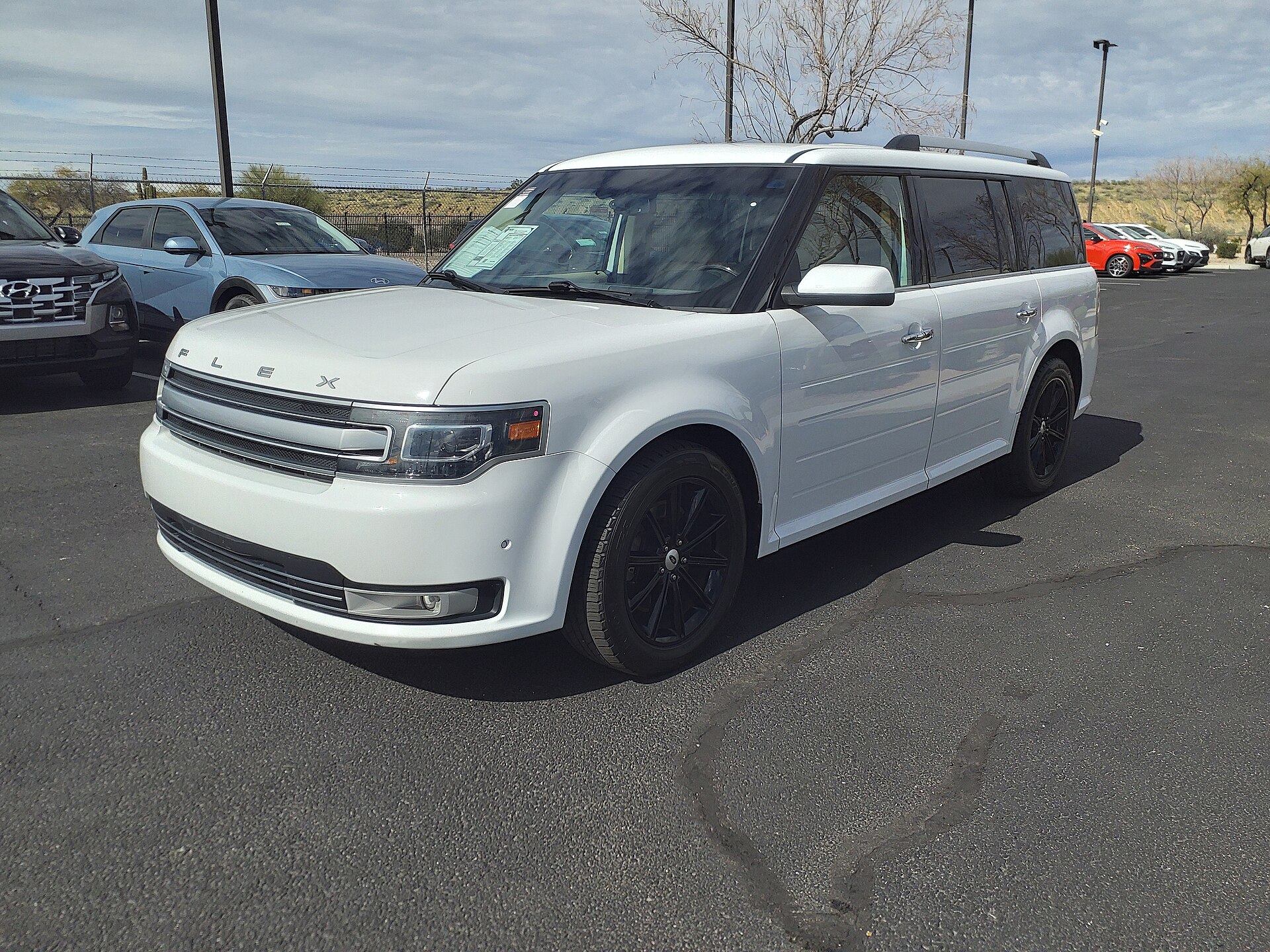
The Ford Flex was one of the most distinctive vehicles to roll out of Dearborn in the 2000s, a three-row family hauler that looked like nothing else on the road. Its upright, boxy silhouette and available contrasting roof gave it a retro-modern charm that set it apart from the sea of rounded crossovers. Yet despite a loyal fan base, Ford pulled the plug on the Flex after the 2019 model year, and the reasons behind its demise reveal a lot about how the auto industry shifted during that decade.
At its core, the Flex was a victim of changing consumer tastes. Buyers increasingly flocked to more conventionally styled midsize SUVs like the Ford Explorer, which offered similar practicality with a more mainstream appearance. The Flex’s polarizing design, while adored by some, simply didn’t have the broad appeal needed to sustain strong sales. Additionally, its platform-sharing with the Ford Taurus and Lincoln MKT meant it competed internally with other Ford products, cannibalizing sales that could have gone to more profitable models.
Another critical factor was the market’s pivot toward electrification and efficiency. As Ford ramped up investments in hybrids and EVs, the Flex’s relatively thirsty V6 engines and aging architecture became less justifiable. The company needed to streamline its lineup and allocate resources to future technologies, leaving little room for a niche model with declining volume. The rise of the three-row Explorer and the introduction of the Lincoln Aviator further squeezed the Flex’s position in Ford’s portfolio.
The Flex’s discontinuation also reflected a broader industry trend: the decline of the minivan-adjacent crossover in favor of rugged-looking SUVs. Even though the Flex offered car-like driving dynamics and a spacious interior, shoppers increasingly preferred the high-riding stance and truck-like styling of traditional SUVs. Ford responded by doubling down on its SUV lineup, phasing out not just the Flex but also sedans like the Fusion and Taurus in the years that followed.
Ultimately, the Ford Flex remains a cult favorite among enthusiasts who appreciate its unique character. Its story is a reminder that even well-loved vehicles can fall victim to shifting market forces and corporate strategy. While Ford has moved on to electrified crossovers like the Mustang Mach-E and Explorer EV, the Flex’s legacy lives on in the hearts of those who valued its unconventional approach to family transport.
What do you think?