
Food Waste Diversion Could Unlock Billions in Economic Value, Study Finds
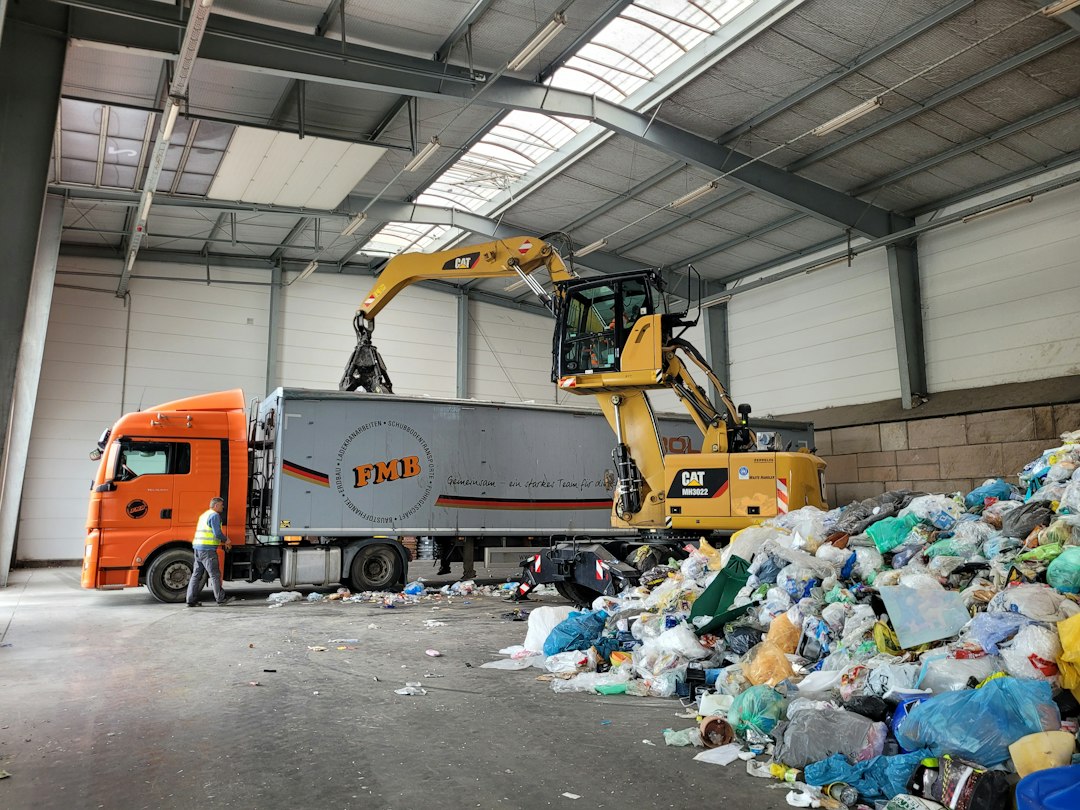
Food scraps rotting in landfills are usually framed as an environmental headache, but a closer look at the numbers suggests they represent a substantial economic opportunity that states have barely begun to tap. A growing body of research, including work commissioned by the NRDC, indicates that keeping food out of landfills can generate jobs, extend the working life of disposal sites, and put more edible food back into local communities.
The scale of the problem is significant. Food accounts for roughly 24 percent of the material buried in municipal landfills, and as it decomposes it releases methane, a greenhouse gas far more potent than carbon dioxide in the short term. Beyond the climate impact, sending food to landfills wastes resources, drives up disposal costs, and leaves valuable organic material unused.
The economic case for diversion is where the research gets interesting. According to estimates in the NRDC-commissioned study, a comprehensive food waste diversion policy could generate about $3.8 billion in cumulative economic activity and support roughly 14,000 jobs across Illinois. In Colorado, full implementation could mean $2.4 billion in activity and more than 9,000 jobs. Much of that growth would land in the waste hauling sector, with composting, organic waste processing, and food rescue operations also benefiting.
Eleven states have already adopted food waste diversion laws that keep scraps out of landfills and incinerators. Those policies have fueled the expansion of food rescue organizations and businesses that haul and process organic material. Crucially, they also create long-term incentives by removing the cheapest option — simply throwing food away — from the table, which in turn drives investment into composting infrastructure and gives composters a stable feedstock.
The study also points to practical ways local governments can manage costs. Households generate more than a third of the nation’s food waste, so residential programs matter, but they can be expensive to run. Communities that rethink their entire solid waste system while launching organics collection — reducing trash pickup frequency, improving route efficiency, and renegotiating contracts — can offset much of the added expense. Sustained public education, the research notes, is a common thread among programs with higher participation and lower per-household costs. The takeaway is that thoughtfully designed diversion policies can pay for themselves over time, all while extending landfill lifespans and building a more circular food system.
Photo: Nathan Cima on Unsplash (Unsplash License)
What do you think?