
Flock Trims Workforce as License Plate Reader Backlash Intensifies
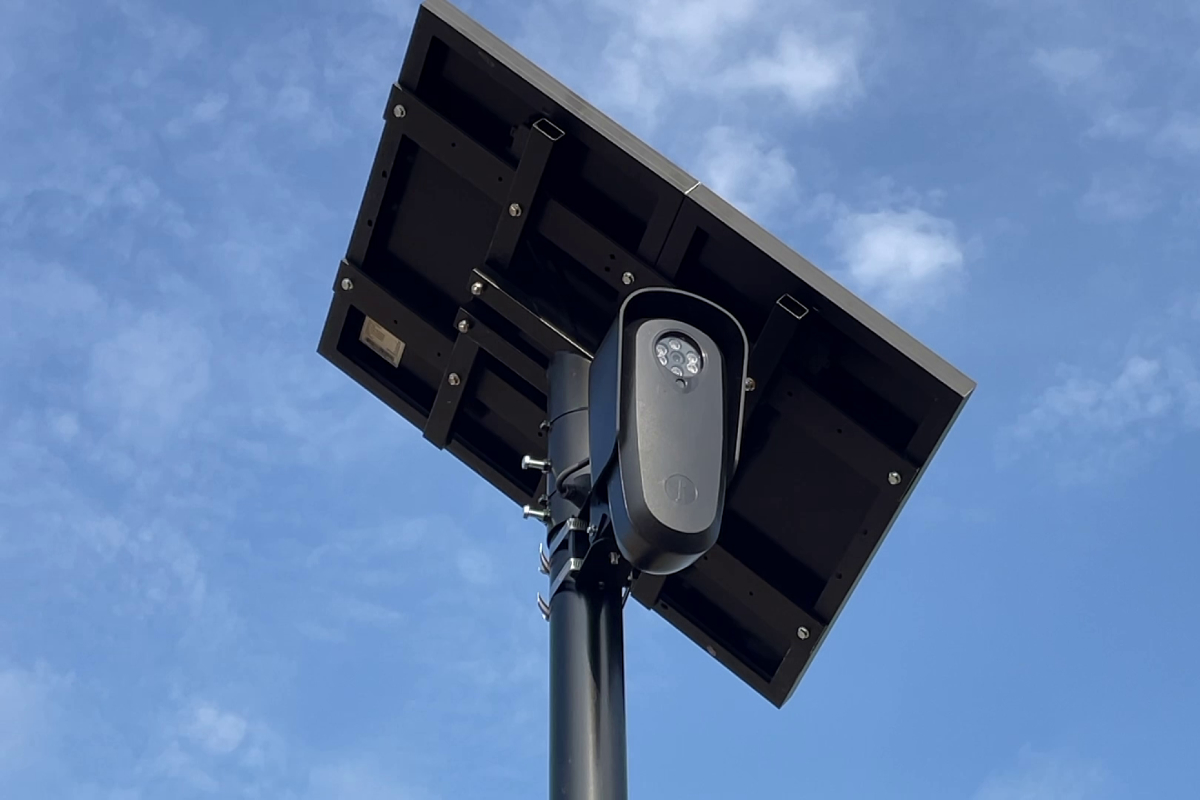
Flock, the company behind a vast network of automated license plate reading cameras, is shrinking its payroll as scrutiny over its surveillance products continues to escalate. According to reporting from Reuters, the Atlanta-based firm is reducing its headcount by roughly 18 percent, a figure that translates to around 270 positions being eliminated across the organization. The departures are scheduled to take effect at the end of October, following what the company described as a voluntary separation initiative.
The move follows earlier signals that Flock was encouraging some employees to exit on their own. Wired reported last month that the company had been urging staff to leave voluntarily, framing the effort as a way to avoid compulsory layoffs. A Flock spokesperson, Paris Lewbel, characterized the program in a statement as a “generous Voluntary Separation Program” intended to prepare the business for its next stage of growth, stressing that it should not be viewed as a traditional layoff. The spokesperson declined to say whether CEO Garrett Langley or other senior leaders had taken salary reductions as part of the cost-cutting effort.
Flock’s troubles extend well beyond internal restructuring. The company has installed more than 100,000 license plate-reading cameras throughout the United States, giving law enforcement agencies and federal agents the ability to monitor the movements of vehicles passing their lenses. That capability has drawn mounting criticism from communities and legislators who argue the system amounts to privately operated mass surveillance. The concern is not purely theoretical: dozens of officers have been arrested, terminated, or forced out after improperly using Flock’s database to track individuals without warrants or consent.
Several municipalities have responded by removing Flock’s cameras in the wake of public complaints, only to have the company quickly reinstate them — a back-and-forth that has, in some cases, led frustrated residents to physically damage the devices. Security researchers have also raised alarms about the company’s cybersecurity practices, noting that some cameras were left exposed and reachable from the open internet. Questions about accuracy have compounded the problem, with documented instances of misread plates leading to wrongful traffic stops and arrests, including one involving a journalist driving an approved press vehicle.
Institutional pushback is growing as well. A number of law enforcement agencies, among them the Los Angeles Police Department, have opted to let their contracts with Flock expire or lapse, pointing to privacy and civil liberties worries. A federal judge recently described the company’s operations as “indiscriminate mass surveillance,” adding a judicial voice to the chorus of critics. For now, Flock appears to be betting that a leaner operation will help it weather the storm — though the political and legal pressure shows little sign of easing.
What do you think?