
Fleet Giants to Brussels: Don't Roll Back Truck CO2 Rules
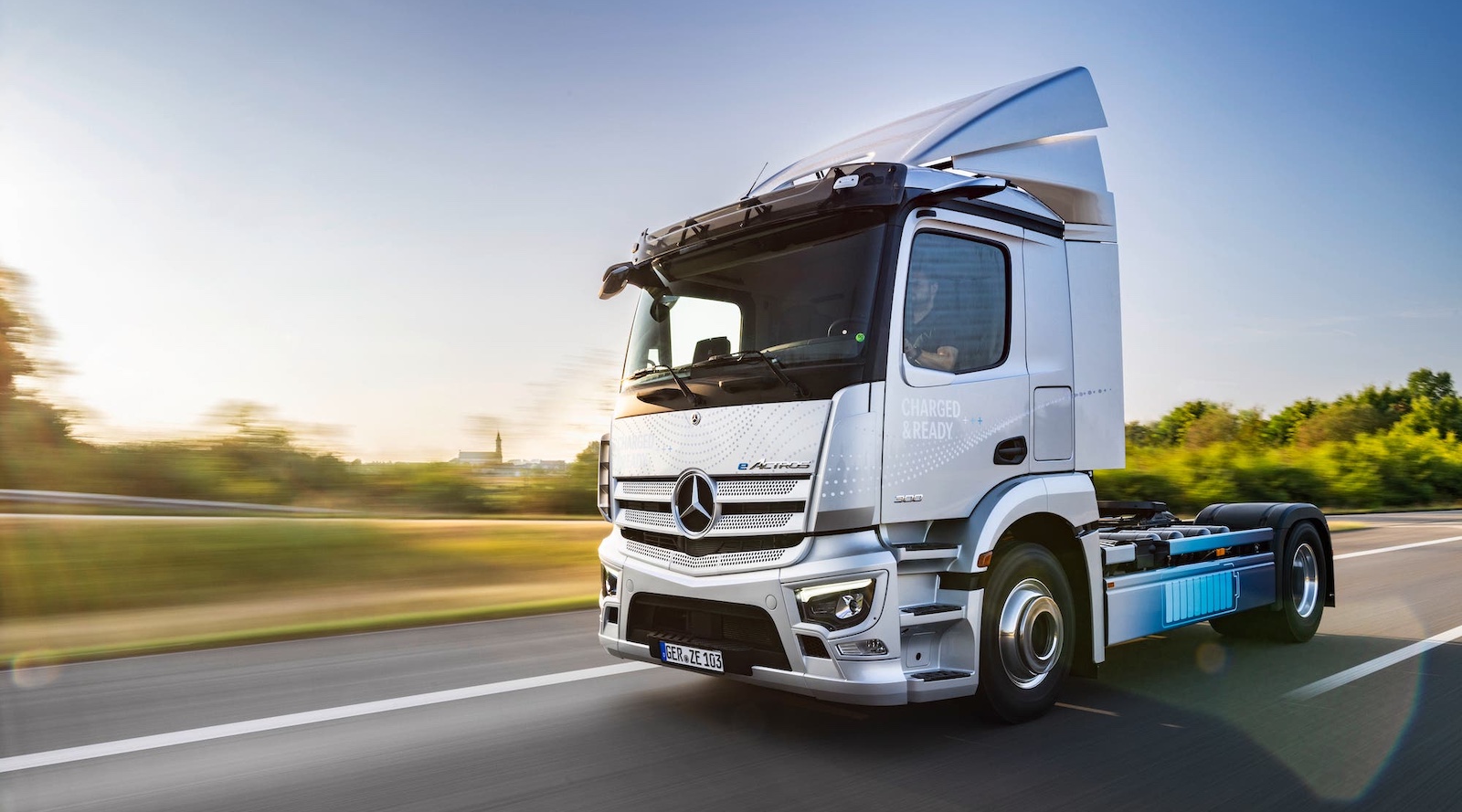
A group of Europe’s largest corporate fleet operators has written to European Commission President Ursula von der Leyen, asking the EU executive to hold firm on its heavy-duty vehicle carbon dioxide targets rather than loosen them in response to pressure from truck builders. Among the signatories are Swedish furniture group IKEA, French utility EDF, parcel giant Geopost, and Nordic logistics operator DFDS — all participants in the Climate Group’s EV100 coalition, which campaigns for full electrification of member companies’ vehicle fleets. Their argument is straightforward: predictable regulation is what makes large-scale investment possible, so the existing standards should stay untouched.
Under the current framework, new heavy trucks must cut CO2 emissions by 43 percent versus 2019 levels by 2030, by 64 percent by 2035, and by 90 percent by 2040. The fleet operators contend that these goals cannot realistically be reached unless electric medium- and heavy-duty trucks become far more common on European roads, and they see a firm regulatory signal as the surest way to drive that demand and unlock further investment. Faster build-out of high-power charging infrastructure for trucks sits at the top of their wish list.
The companies say they have run the numbers: over a vehicle’s life, cheaper electricity should more than cancel out the higher sticker price of an electric truck. EDF’s Marion Labatut framed the moment as one where businesses are already electrifying and energy providers are investing in supporting infrastructure, adding that stable, ambitious CO2 standards would give firms the confidence to keep spending at scale and help keep Europe competitive in zero-emission freight. Climate Group transport lead Dominic Phinn echoed the sentiment, stressing that companies need certainty rather than weaker rules, and that maintaining the targets — alongside the infrastructure and incentives to back them — would bolster both European competitiveness and energy security.
Truck makers see the situation very differently. At last month’s IAA Transportation show in Hannover, executives from DAF, Daimler Truck, Ford Otosan, Iveco, MAN, Scania, and Volvo Group warned that the shift to zero-emission heavy vehicles is being throttled by an alarming lag in the conditions needed for buyers to commit, and they asked Brussels to push the 2030 target back by three years. Electric trucks currently account for just 2.4 percent of the European market, dipping below 1 percent in Poland, Spain, and Italy, and reaching only 4.3 percent in Germany, the strongest market. Daimler Truck CEO Karin Rådström said the industry has already invested and offers a broad lineup of CO2-free vehicles, but that commercial viability at scale depends on an ecosystem that is falling behind — arguing for both faster action on enabling conditions and a three-year delay to avoid penalties that manufacturers say could top €2 billion. Long waits to connect megawatt chargers to the grid, plus slow progress on weight and dimension rules that would offset the payload penalty of heavier electric trucks, round out their complaints.
What do you think?