
EVs Outsell Petrol Again as Hyundai Rethinks Ioniq 3 Plans for Australia
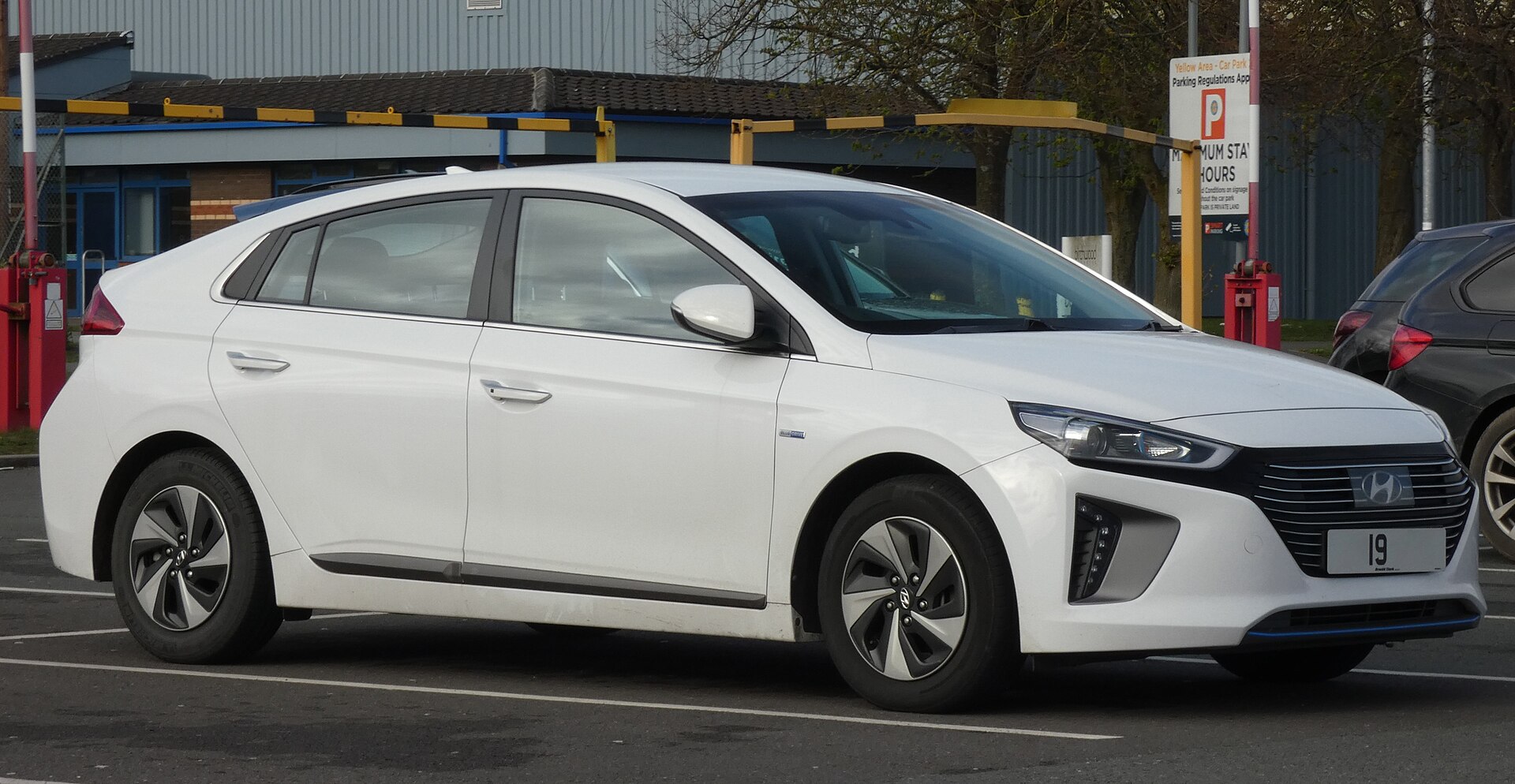
Electric vehicles have once again moved ahead of petrol-powered cars in the monthly sales race, marking another swing in buyer preference as the year progresses. The renewed lead for EVs underlines how quickly showroom demand has shifted, even as broader economic pressures continue to shape purchasing decisions. Analysts tracking the figures note that the gap between the two drivetrains has become increasingly volatile from month to month, with each side trading the top spot rather than one establishing a durable advantage. That pattern suggests the market is entering a phase where pricing, incentives and model availability matter more than any single trend line.
Against that backdrop, Hyundai has shelved its planned Australian launch of the Ioniq 3. The decision removes what would have been a compact electric offering from the brand’s local line-up for now, leaving buyers to choose from the models already on sale. Hyundai has not framed the move as an abandonment of its electrification strategy; rather, it reflects the practical calculus automakers face when weighing local demand, homologation costs and the pace of infrastructure rollout. For a market the size of Australia, a small EV’s business case can hinge on factors that have little to do with the technology itself.
The week also brought a first look at Honda’s new Super-One electric car, which early impressions suggest leans into a compact, urban-focused character. Honda has been slower than some rivals to build out a full battery-electric range, so the Super-One carries extra weight as a signal of where the company intends to compete. First drives of this kind tend to shape expectations well before full specifications and pricing are confirmed, and the early read on the Super-One is that it targets buyers who want an efficient city car rather than a long-distance tourer.
Taken together, the three storylines point to a market that is maturing unevenly. Sales leadership is real but fragile, product plans can be revised at short notice, and new entrants still have to prove themselves against established favourites. For consumers, that means more choice but also more uncertainty about which models will actually reach local showrooms.
Charging infrastructure and battery supply remain the quiet variables behind all of it. Monthly sales swings and cancelled launches are symptoms of a deeper question: whether the supporting ecosystem can keep pace with the vehicles themselves. Until that balance settles, expect more months like this one, with headlines that surprise in both directions.
What do you think?