
EU Weighs Import Limits on Chinese Hybrids to Shield Domestic Automakers
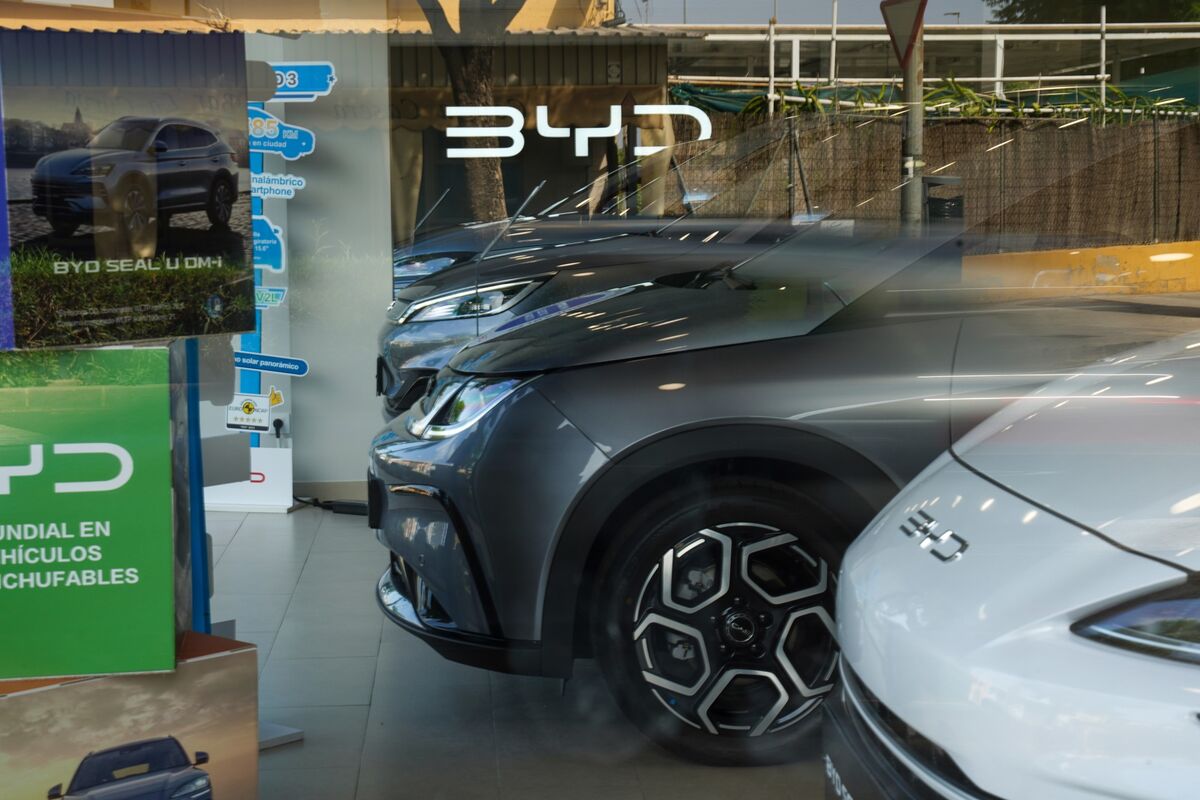
The European Union is considering a new measure that would cap imports of Chinese hybrid vehicles, according to reports. This move comes as European automakers face growing competition from Chinese manufacturers who offer competitive hybrid models. The EU’s plan aims to protect the domestic auto industry by restricting the number of Chinese hybrids entering the European market.
The proposed cap would specifically target hybrid cars, which include both plug-in hybrids and conventional hybrids. This is part of a broader effort by the EU to address trade imbalances and ensure fair competition. The European Commission has been monitoring the surge in Chinese vehicle imports, particularly in the electric and hybrid segments, and is now looking at hybrid vehicles as well.
Chinese automakers have been expanding their presence in Europe, leveraging lower production costs and advanced technology. Hybrids are seen as a bridge technology between internal combustion engines and fully electric vehicles, and China has become a major player in this segment. The EU’s potential import cap could impact the sales strategies of Chinese brands in Europe.
European automakers have been investing heavily in hybrid and electric vehicle production, but they face challenges in matching the price points of Chinese imports. The EU’s proposed cap is a response to these concerns, aiming to level the playing field. However, the specifics of the cap, such as the exact limit and how it would be enforced, are still under discussion.
The move could also escalate trade tensions between the EU and China, which have been ongoing. The EU has already imposed tariffs on Chinese electric vehicles, and extending measures to hybrids would further strain relations. The outcome of this plan will be closely watched by industry stakeholders and could set a precedent for future trade policies in the automotive sector.
What do you think?