
European Battery Rules Face a Decisive Test as Automakers Push for Another Delay
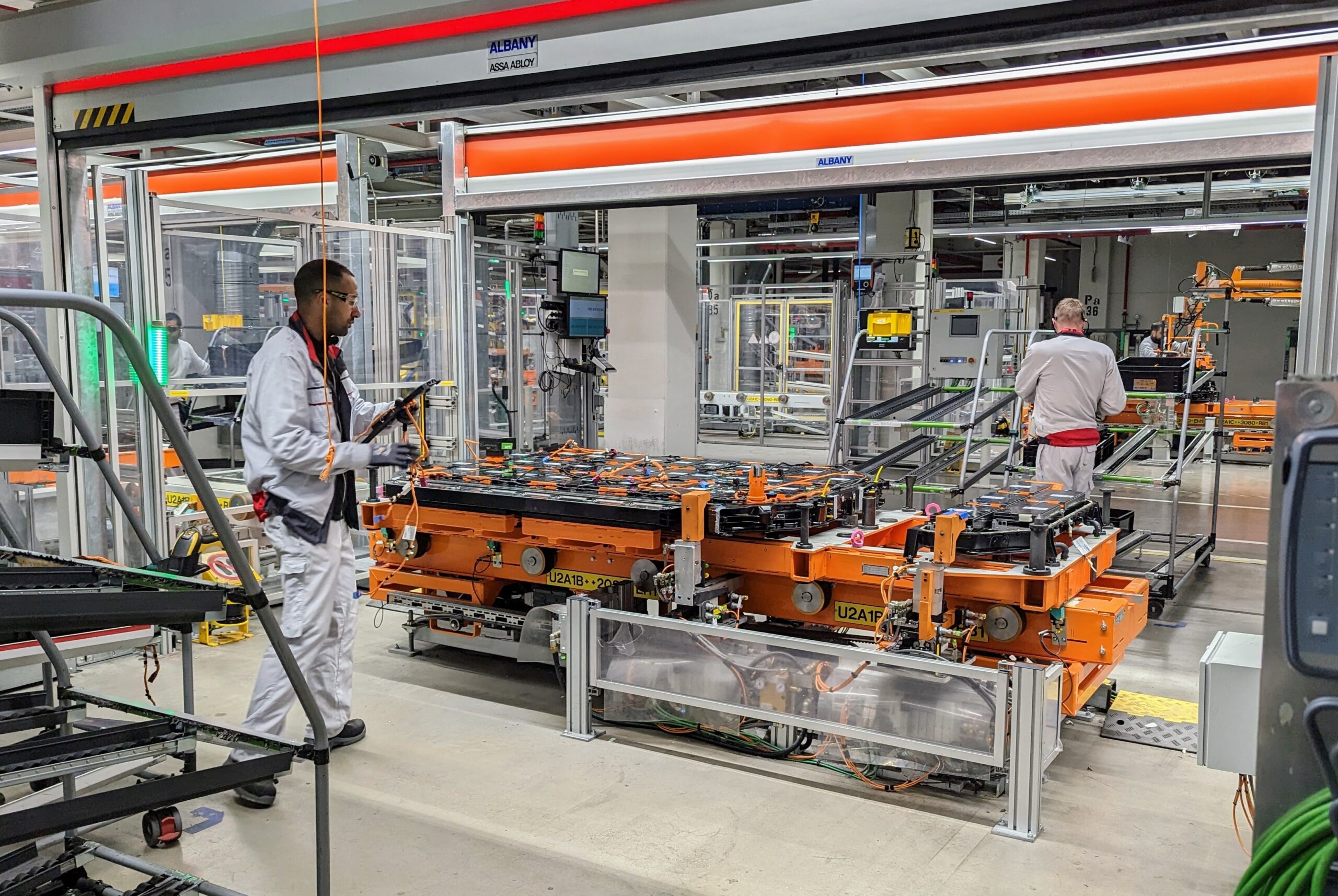
Europe’s push to build a domestic battery supply chain is approaching a critical deadline, and the continent’s automakers are once again asking for more time. Under the EU-UK Trade and Cooperation Agreement, electric vehicles must use European-made batteries and cathodes to qualify for tariff-free access to the UK market. The rules were originally meant to take effect earlier, but a December 2023 agreement pushed them back by three years — with the explicit condition that no further postponement would be considered before 2032.
Industry associations representing battery material suppliers say the supply chain is ready enough. According to projections from RECHARGE, the European battery industry association, the EU will have around 121,000 tonnes of cathode-material capacity available in 2027, far more than the estimated 52,000 to 75,000 tonnes needed to satisfy the trade agreement’s requirements. What suppliers need, they argue, is simply for automakers to commit to buying European materials.
The letter to EU leaders — signed by representatives from Transport & Environment, European Metals, and Cefic — warns that another delay would undermine the credibility of Brussels’ broader “Made in Europe” industrial ambitions. The trade agreement’s rules are seen as a preview of the upcoming Industrial Accelerator Act, and the authors argue that caving to automaker pressure now would send a troubling signal to investors. If rules designed to create demand for European components are weakened just as they begin to bite, future investment committees may think twice about building factories on the continent. The message to policymakers is blunt: the 2027 deadline should hold, without exceptions.
What do you think?