
Tesla Bets on 4680 Cell Production in Grünheide Despite Cost Pressures
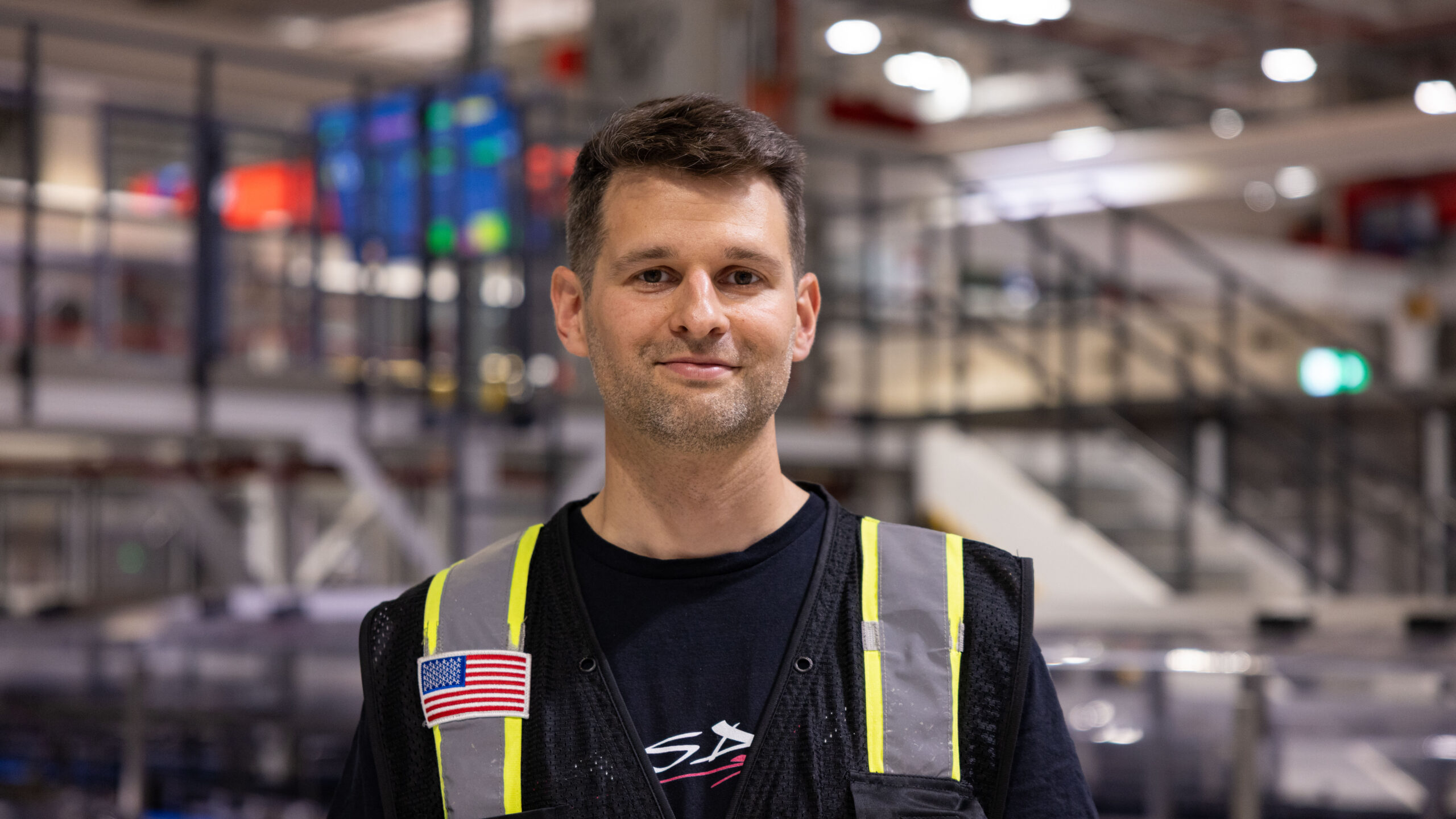
Tesla plans to begin manufacturing its own 4680 battery cells at its Grünheide plant starting in 2027, scaling capacity toward 18 GWh annually. The move comes as several other European cell projects have been delayed, trimmed, or shelved entirely, making Tesla’s continued investment in local production a notable exception in the region.
According to Robert Meyer, who leads cell factory operations at Tesla Manufacturing Brandenburg, the decision is not driven primarily by cost. Producing cells in Europe is currently difficult to justify on pure economics, he acknowledges, but Tesla views it as a strategic play — one aimed at strengthening supply-chain resilience, reducing reliance on external suppliers, and deepening manufacturing expertise at the site. Localizing cell output would allow Tesla to handle everything from battery cell to finished vehicle under one roof, which the company describes as a unique setup in Europe.
A key piece of the plan is dry electrode technology, which produces electrodes without the solvent-heavy wet process traditionally used. By eliminating energy-intensive drying ovens, Tesla expects lower floor-space requirements, reduced capital spending, and fewer costs tied to recovering toxic solvents. Meyer notes the method also improves the environmental footprint of production — an increasingly relevant factor for cell manufacturing in Europe.
Tesla’s ramp-up ambitions will hinge heavily on people. The company intends to hire more than 1,500 additional workers for cell production, and Meyer admits that experienced cell-manufacturing talent is scarce in Europe. Tesla is casting a wide net, explicitly not requiring prior cell-production experience and treating cross-industry hires as potentially advantageous for fresh problem-solving. Speed, tight cross-site collaboration, and local decision-making authority round out what Meyer describes as the essential ingredients for a successful gigafactory launch.
What do you think?