
Europe's EV Jobs Shift Toward Chinese Automakers as US BEV Sales Slide
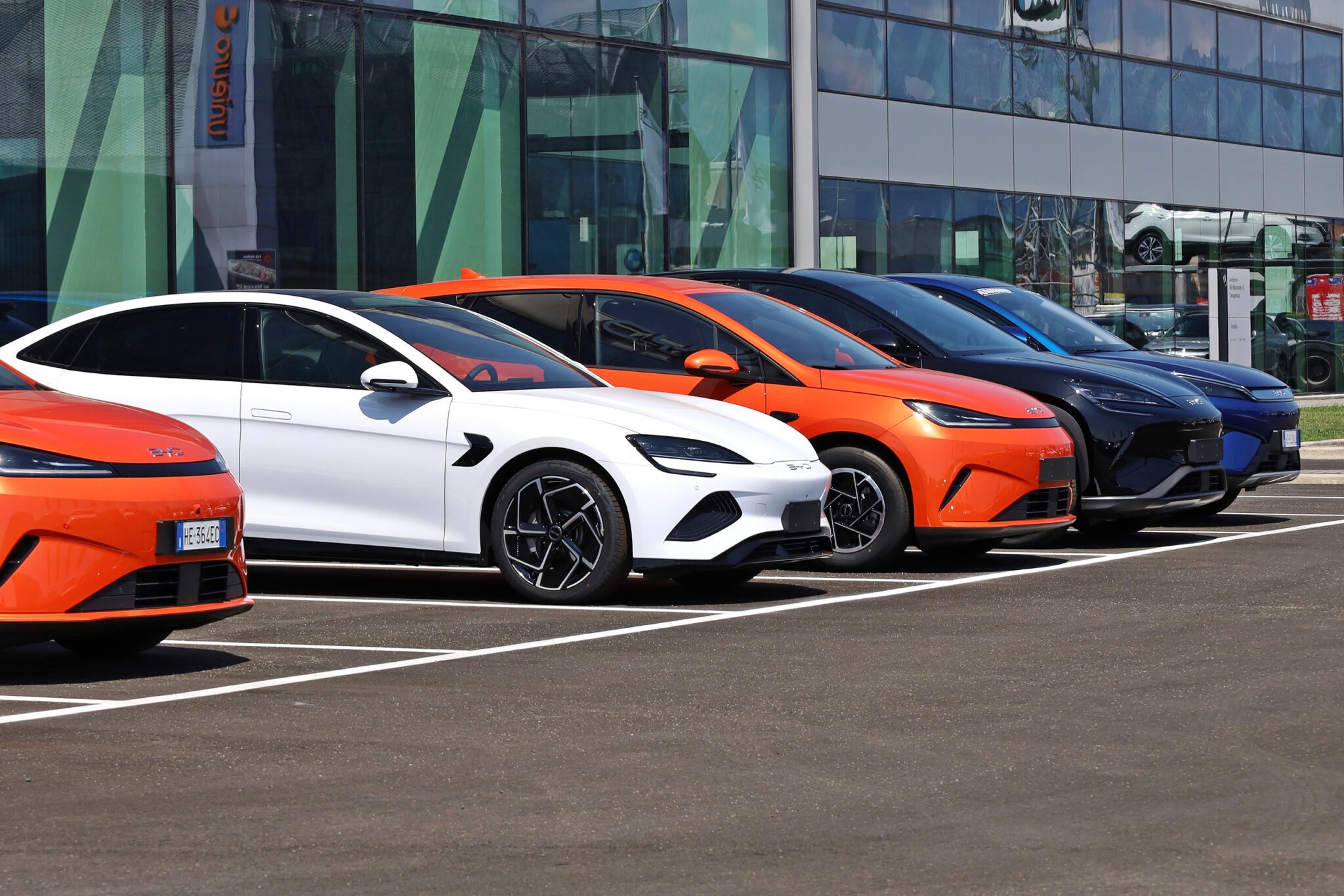
Europe’s electric vehicle workforce is undergoing a structural shift, with Chinese entrants such as BYD positioning themselves as major employers on the continent. BYD intends to have more than 40,000 people on its European payroll by 2030, a figure that would make it one of the region’s larger automotive employers. The direction of that hiring — and whether it lands in cell production and component manufacturing or in final assembly of kits shipped from China — will hinge on local content rules now being drawn up by the European Commission.
The contrast with legacy automakers is difficult to ignore. Established European manufacturers have been trimming EV-related roles as they recalibrate production plans, while the incoming Chinese players are staffing up. The local content framework is the lever that decides which version of that expansion Europe gets: a supply chain with genuine regional depth, or assembly operations that add relatively limited industrial value.
Across the Atlantic, the picture is markedly weaker. US battery-electric sales dropped 39.5% in the third quarter, a sharp contraction that nonetheless came with a shift in market structure — Tesla’s share climbed to 54.9%, meaning the segment leader gained ground even as the overall pie shrank. A rising share inside a falling market points to smaller players absorbing a disproportionate amount of the decline.
In Japan, the government’s JP¥110bn EV subsidy budget is reported to be nearly exhausted, removing a demand support mechanism that has underpinned the country’s slow but steady electrification. Meanwhile China continues to move in the opposite direction: new energy vehicles accounted for a record 67% of September retail volume, with internal combustion sales collapsing as NEV adoption accelerates. Taken together, the four data points describe an e-mobility landscape that is de-synchronising across regions rather than converging on a single trajectory.
The common thread is policy. European local content requirements, Japanese subsidy budgets and Chinese NEV momentum are all shaped as much by government decisions as by product competitiveness. For automakers planning capacity, the question is less about global EV demand in aggregate and more about which specific markets will sustain it — and under what conditions.
Source: Automotive World
What do you think?