
EU Strikes Deal With China to Cap Hybrid Imports at 350,000 Units a Year
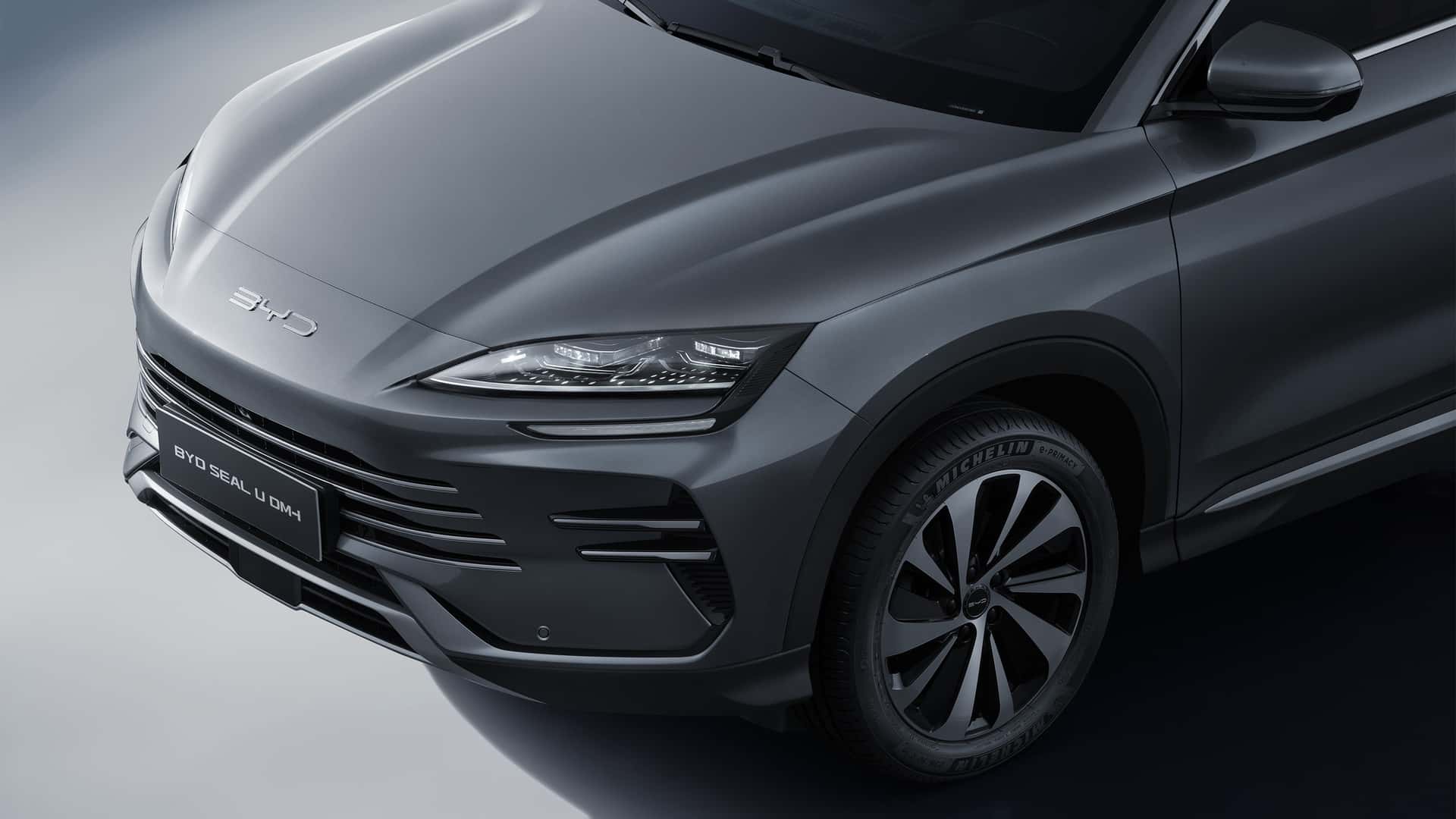
The European Union and China have settled on a trade arrangement that will limit Chinese hybrid vehicle imports into Europe to 350,000 units annually. The figure was confirmed by EU trade commissioner Maroš Šefčovič, and the cap is structured to rise by roughly 6% each year going forward. Crucially, the restriction applies only to vehicles shipped from China; hybrids and plug-in hybrids assembled inside EU borders are unaffected.
The agreement targets a loophole that has shaped the European market over the past two years. While Chinese-built battery-electric vehicles face steep tariffs at EU ports, conventional hybrids and plug-in hybrids have slipped through at far lower duty rates. Automakers capitalized on that gap aggressively. In several European markets, Chinese brands now outsell legacy players in the PHEV and hybrid segments — a reversal of the dynamics seen in pure EVs. BYD, for instance, moved more plug-in hybrids than fully electric cars in Europe during the first eight months of the year, according to Reuters reporting, underscoring how central hybrids have become to Chinese expansion on the continent.
The backdrop is a European auto industry under visible strain. The Volkswagen Group recently disclosed plans to cut roughly 100,000 jobs and trim its model portfolio — a restructuring that reflects mounting pressure from cheaper Chinese offerings. European manufacturers have scrambled to bring affordable EVs and hybrids to market, but Chinese brands have already secured meaningful market share and consumer acceptance in key countries. The import cap, in effect, halves the current flow of Chinese hybrids into Europe and hands domestic producers a measure of breathing room.
The more consequential question is how Chinese automakers respond. Rather than retreat, several are expected to accelerate local production. BYD, Leapmotor and Xpeng already operate manufacturing footprints in Europe, and others — including Geely and Changan — have signaled plans to build European factories in the near term. Localized assembly would let those companies sidestep import limits entirely, converting a trade barrier into an incentive for deeper investment in European industrial capacity.
For European consumers, the near-term effects could cut both ways. A tighter supply of low-cost Chinese hybrids may firm up pricing in a segment that has been a rare source of affordability. At the same time, the deal lowers the risk of a broader tariff escalation between Brussels and Beijing, which had been looming over the sector. The pact is less a resolution than a framework: it buys European incumbents time, while Chinese brands prepare to build the vehicles closer to the customers buying them.
What do you think?