
EU and China Agree to Curb Hybrid Imports, But the Details Remain Unclear
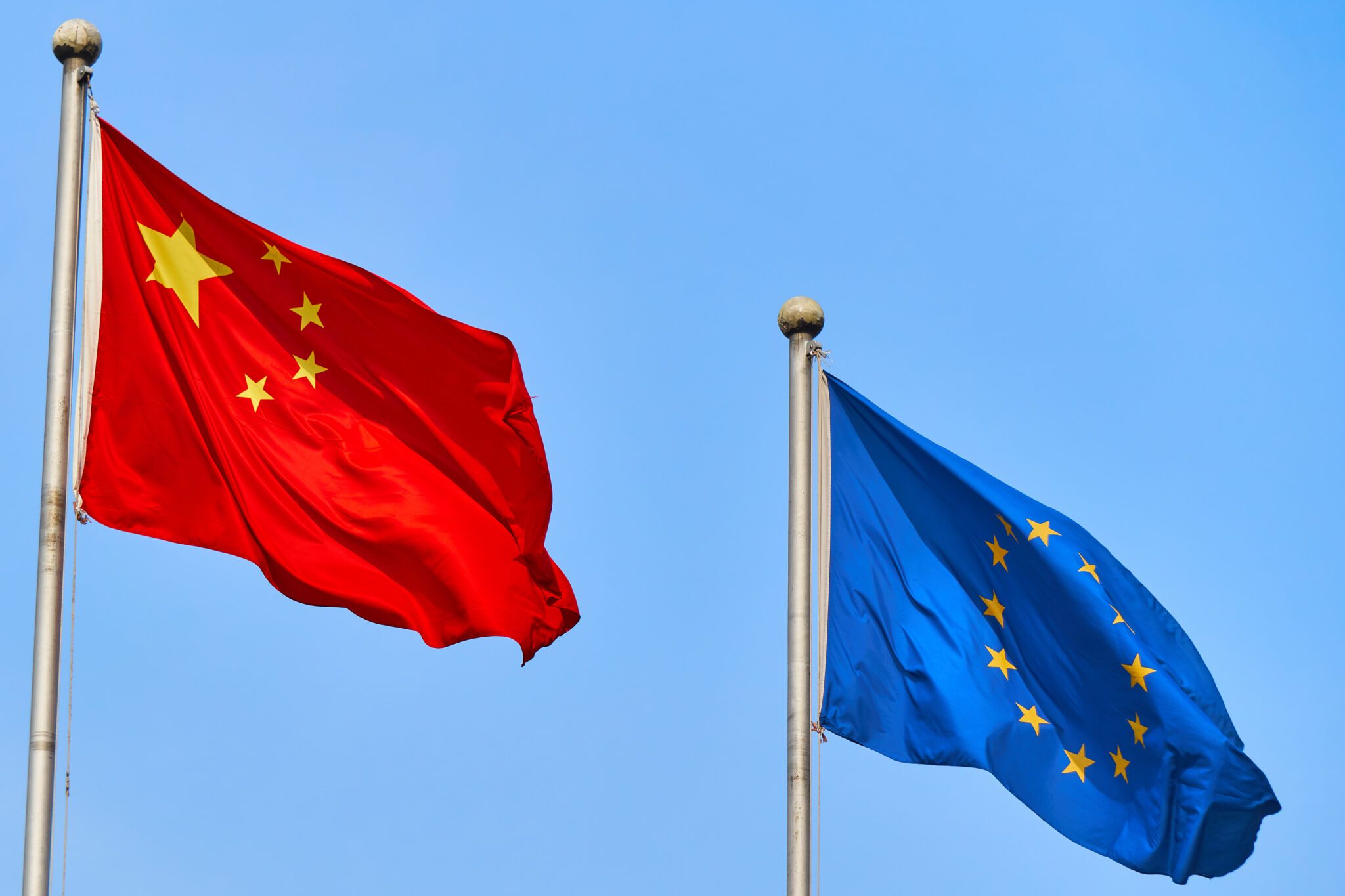
Brussels and Beijing have reached a preliminary understanding that would limit Chinese exports of hybrid and plug-in hybrid vehicles into the European Union, with EU Trade Commissioner Maroš Šefčovič saying the arrangement could reduce shipments by more than half over the next four years. The announcement followed two days of negotiations in Beijing with Chinese Commerce Minister Wang Wentao. Crucially, neither side has explained the mechanism behind the curbs, and the promised reduction is calculated against projected growth rather than today’s actual shipment volumes — a distinction that leaves considerable room for interpretation.
The move follows the EU’s decision in October 2024 to slap duties of up to 45% on Chinese battery-electric cars, which left partially electrified models taxed at the standard 10% rate. Rather than slowing Chinese momentum, that measure pushed manufacturers toward hybrids: Chinese brands captured a record 12% of European car sales in August, including roughly a quarter of all hybrid deliveries, while EU plug-in hybrid imports climbed 86% year-on-year through September as prices dropped 20%. Šefčovič estimated the new deal would keep “several millions” of Chinese vehicles out of Europe in the coming years, though he declined to specify whether quotas or tariffs would be used to enforce it. Days earlier, Beijing had rejected an EU proposal to cap Chinese hybrids at 15% of the market, citing WTO rules — and China’s own 16-point statement confirmed the restraint agreement without describing how it would function.
The broader trade picture gives the hybrid dispute its real weight. The EU’s deficit with China approached €360bn (US$403bn) in 2025 and has grown another 12% this year, dwarfing the €15.1bn in Chinese car exports to the bloc. Beijing also agreed to lower duties on €4bn of EU goods and to accelerate rare earth export licensing, and Brussels now views the hybrid framework as a possible model for chemicals and machinery. At its core, the conflict is about overcapacity: China’s auto industry was built to produce far more than its home market can absorb, and plug-in hybrid exports to Europe have been its most profitable release valve, earning margins two to three times higher than those available amid China’s domestic price war. Restricting that channel pushes surplus volume back into the home market or toward Latin America, Southeast Asia and the Middle East — none of which can match European pricing.
If volumes are genuinely curtailed, consolidation in China is likely to accelerate. Well-capitalised players such as BYD and Chery can localise production behind the tariff wall, with plants already in Hungary, Turkey and Spain, but smaller brands and loss-making state-backed ventures lack the capital to follow. With more than 100 active brands and regulators repeatedly warning against fragmented production, European restrictions may end up doing what Beijing has struggled to accomplish on its own. Europe, meanwhile, has its own overcapacity headache, with Volkswagen and Mercedes-Benz cutting jobs and closing plants. Limiting Chinese hybrids protects volume for European factories but does nothing to generate fresh demand, and France and Germany are already pressing Brussels for broader powers to block disruptive imports. EU leaders will take up the deal at a summit in Brussels next week, while Germany’s own trade measures head to cabinet on 14 October.
In the end, the agreement redirects Chinese overcapacity rather than eliminating it. Its most durable effects will be felt less on European forecourts than inside China, where it strips the most lucrative export margin away from the weaker half of a crowded industry. The likely outcome: the surviving automakers simply build their European cars in Europe.
What do you think?