
Environmental Groups Challenge Rollback of Fuel Economy Rules in Court
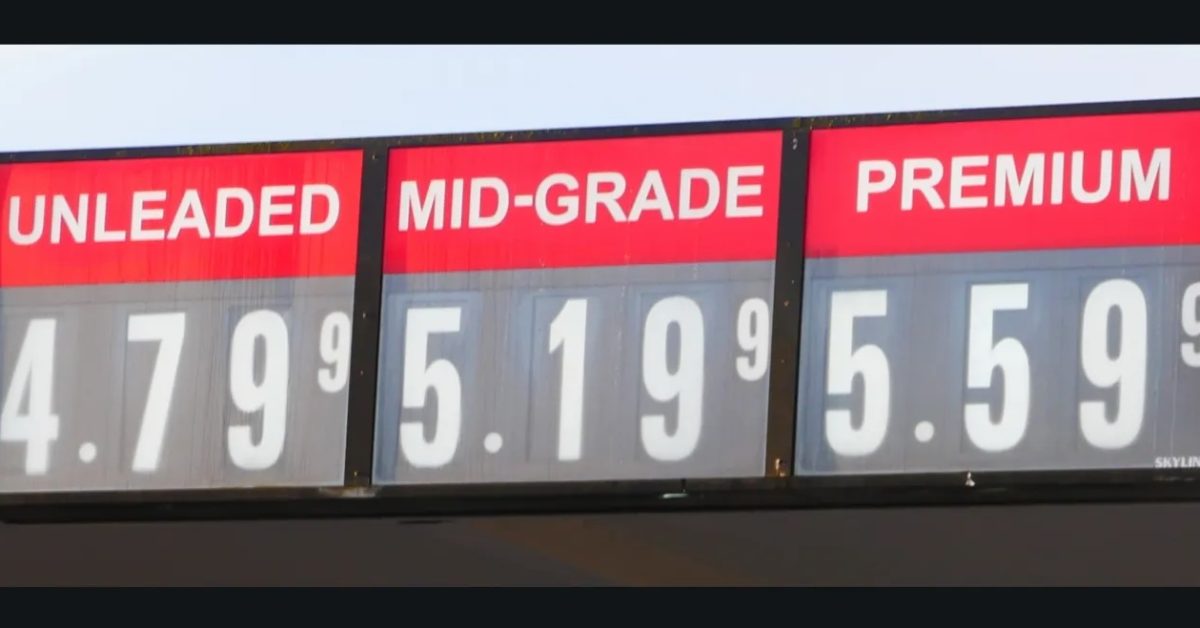
A coalition of major environmental organizations has launched a legal challenge against the Department of Transportation’s recent decision to relax federal fuel efficiency requirements. The lawsuit, filed in a federal appellate court, seeks to halt a policy change that government analysts estimate could add roughly 76 cents to the price of a gallon of gasoline.
The dispute centers on the Corporate Average Fuel Economy (CAFE) standards, first enacted following the 1970s oil crisis. These rules require automakers to maintain a fleet-wide average for efficiency or face penalties for each vehicle that falls short. Proponents argue the standards have delivered enormous economic and public health benefits over the decades. A study from 2020 estimated the policy has saved consumers around $5 trillion and prevented the consumption of roughly 2 trillion gallons of gasoline, before even factoring in the reduced environmental and health costs associated with cleaner air.
The recent regulatory adjustment would allow vehicles to consume about 45% more fuel by 2031, according to the government’s own figures. The change drew widespread opposition during the public comment period, with the vast majority of the 68,294 submissions arguing against the proposal. The petition, filed by the Center for Biological Diversity, Conservation Law Foundation, Environmental Defense Fund, Public Citizen and Sierra Club, is currently brief and does not detail the specific legal arguments that will be made.
However, the Sierra Club has highlighted numerous procedural flaws in the proposed rule that were not addressed in the final version, suggesting potential grounds for the challenge. Many recent lawsuits against environmental deregulation have succeeded by arguing that agency actions were “arbitrary and capricious” in violation of the Administrative Procedures Act. The outcome of this petition remains uncertain, though the administration has faced a notably high rate of courtroom losses on similar matters.
Beyond the legal battle, questions remain about the practical impact of weakening CAFE standards. Global demand for efficient vehicles is rising, but analysts caution that U.S. automakers may choose to produce fewer electric and high-efficiency models if regulatory pressure eases. A UC Davis study indicated that limited EV availability, rather than lack of consumer interest, is largely responsible for slower electric vehicle growth in the United States compared to other markets. With current tariffs making foreign imports less viable, the availability of efficient vehicles could hinge on how manufacturers respond to the shifting regulatory landscape.
What do you think?