
Electrify America Opens White-Label DC Charging Program to US Retailers
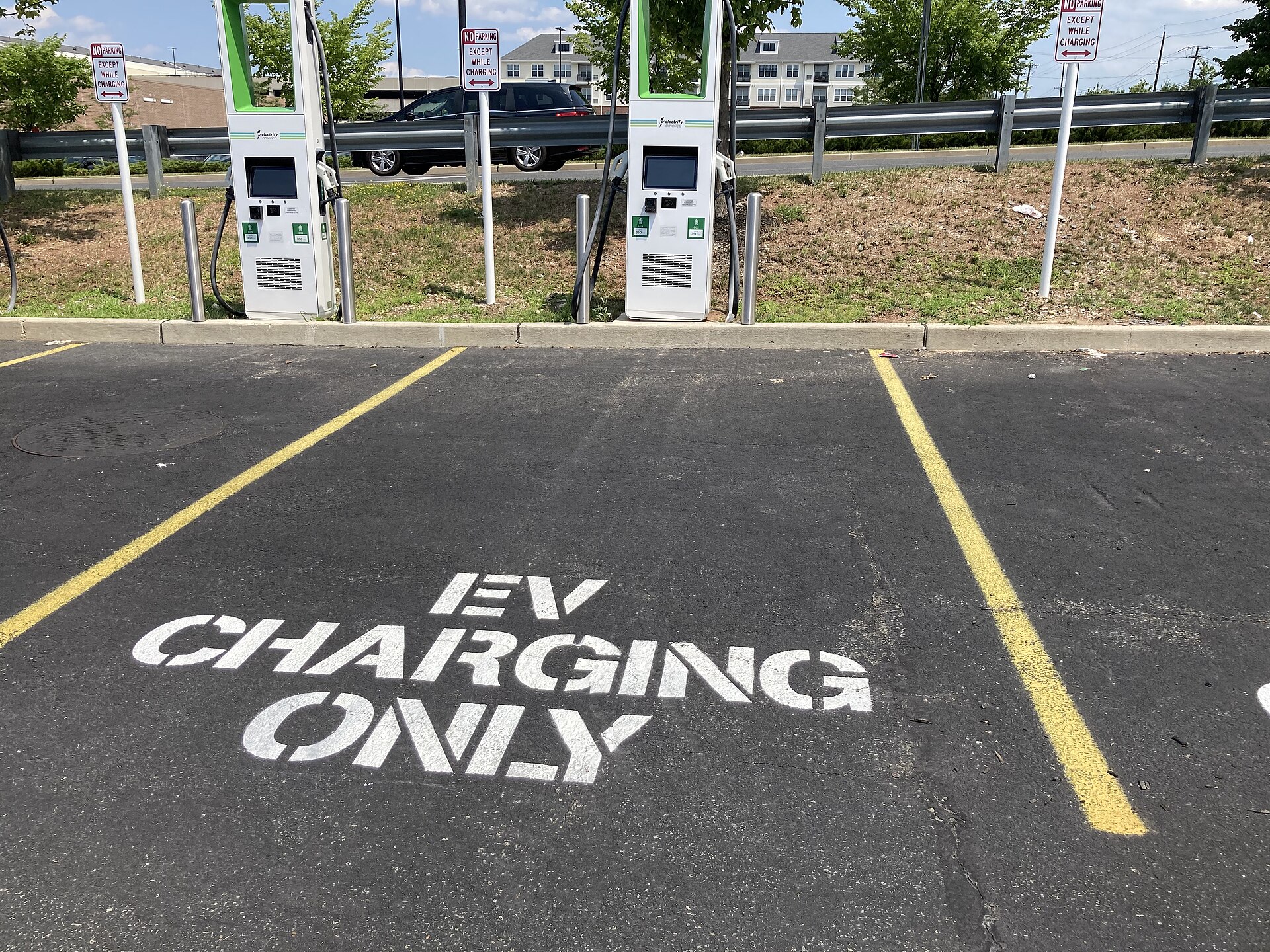
US retailers that want their own branded EV charging stations now have a turnkey option from Electrify America. The Volkswagen-owned charging operator has introduced a white-label package called “Powered by Electrify America,” which lets businesses put their own stamp on the charging experience while leaning on one of North America’s largest DC fast charging networks for the technical and operational heavy lifting.
Under the arrangement, retailers control the customer-facing side of the equation: branding, pricing structures and loyalty programs are all theirs to design. Electrify America supplies the behind-the-scenes expertise, from installation know-how to ongoing network operations. The company frames the pitch around retailer economics, saying the setup can help businesses keep customers on site longer, generate extra revenue, build loyalty and establish their locations as destinations for EV drivers.
The model is not purely hypothetical. Electrify America says its “Powered by” initiative already backs more than 100 stations and close to 600 chargers across its network, with chains such as Wawa and Costco among the participants. Those branded chargers sit alongside the operator’s wider footprint, which the company puts at over 5,600 chargers spread across 1,080 stations from coast to coast. For drivers, every white-label site effectively becomes another stop on an already extensive route map.
The timing reflects a broader push among US retailers to treat charging as a traffic driver rather than a cost center. Convenience stores, grocery chains and warehouse clubs have been racing to add plugs as EV adoption spreads, betting that a 20- to 30-minute charging session translates into purchases inside the store. Electrify America is taking that pitch directly to the industry, with plans to advise retailers interested in adding charging at the National Association of Convenience Stores (NACS) annual show in Las Vegas, running from 6 to 9 October.
For Electrify America, the white-label route offers a way to expand its network reach without owning every site outright, turning retail partners into co-investors in charging infrastructure. For retailers, it lowers the barrier to entry by outsourcing the parts of the business that are hardest to build from scratch. Whether the model scales as quickly as the company hopes will depend on how many chains decide that hosting chargers fits their real estate and their customers’ habits.
What do you think?