
Electric Trucks Gain Ground as FedEx Places $300m Order for 2,000 Harbinger Vehicles
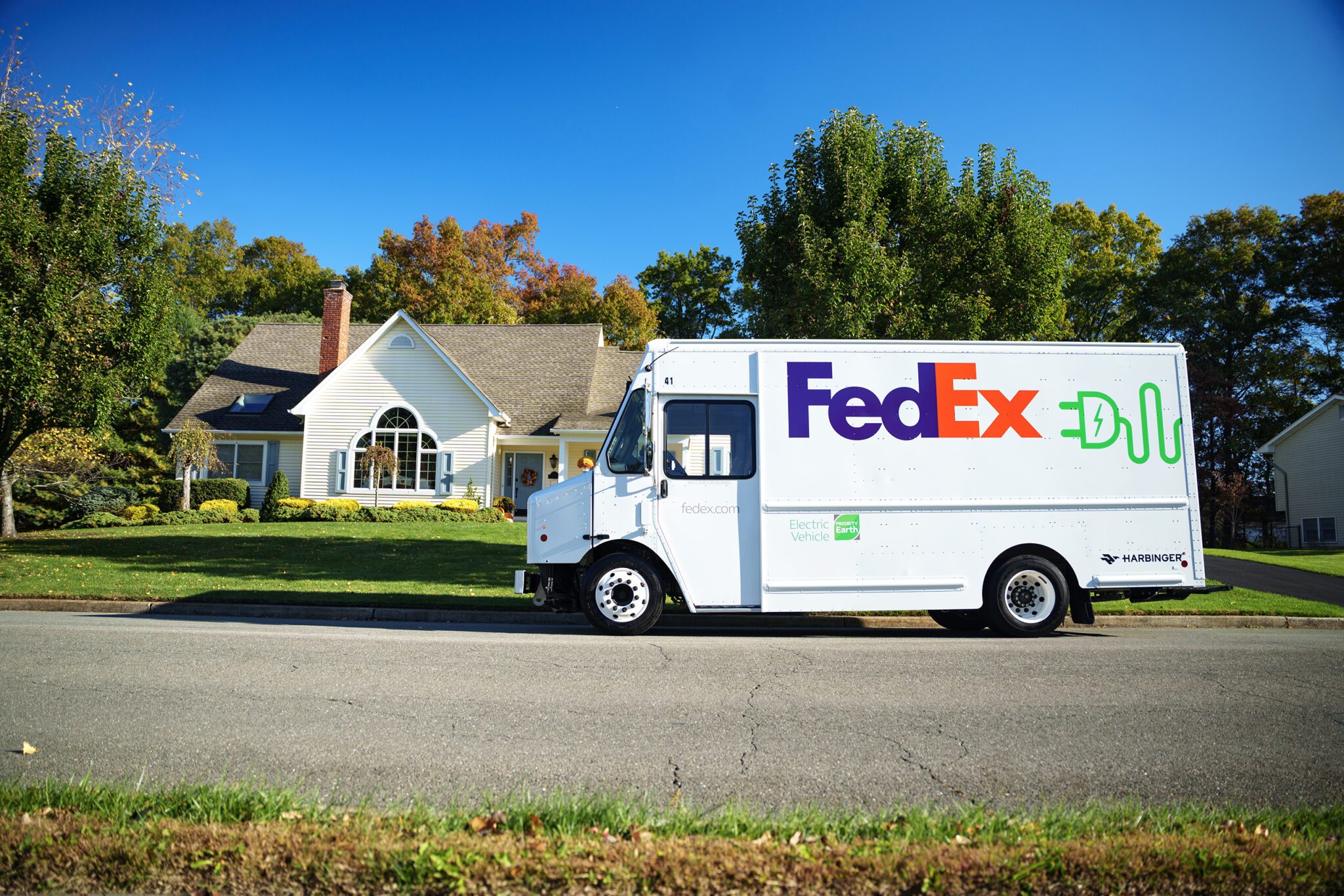
FedEx has committed to one of the largest single electric truck orders on record, signing a binding agreement for 2,000 vehicles from startup manufacturer Harbinger. The deal is valued at more than US$300m, according to this week’s commercial vehicle roundup, and represents a significant vote of confidence in a relatively young player in the zero-emission freight space.
The order arrives amid a shifting regulatory and economic landscape for commercial fleets. In the United States, the International Trade Commission has issued a ruling that paves the way for duties on van-type trailers imported from China, a move that could reshape sourcing strategies for trailer manufacturers and their customers. The decision adds another layer of cost uncertainty for operators already weighing the transition away from diesel.
On the European side, analysis from Transport & Environment suggests the financial case for electric trucks has already arrived. According to the group’s findings, battery-electric trucks are now cheaper to own than their diesel counterparts in six of the nine major EU markets, a milestone that could accelerate fleet electrification even without new subsidies. The finding challenges the common assumption that electric heavy vehicles remain prohibitively expensive on a total cost of ownership basis.
Meanwhile, Automotive World forecasts broadly flat core production for Isuzu in the 2026/27 period. The outlook is complicated by the blockade of the Strait of Hormuz, which is expected to weigh on the Japanese manufacturer’s Middle East volumes. The disruption highlights how geopolitical flashpoints can quickly translate into real production and delivery challenges for commercial vehicle makers with global supply chains.
Taken together, these developments paint a picture of a commercial vehicle sector in transition: electrification is gaining commercial traction, trade policy is redrawing supply maps, and regional instability continues to test the resilience of established manufacturers.
What do you think?