
DigBat Platform Brings AI-Ready Data Infrastructure to Solid-State Battery Research
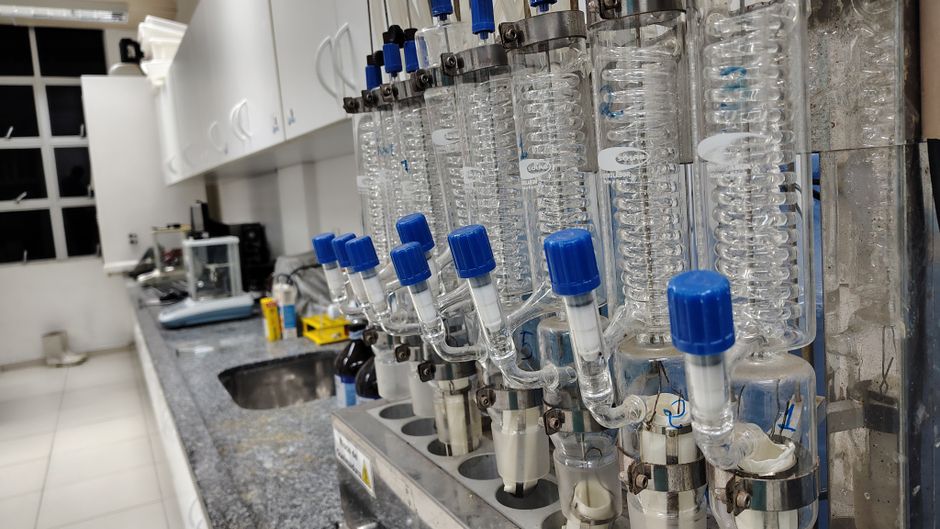
Solid-state batteries are widely viewed as a promising next step for electric vehicles, but their development remains slowed by fragmented data and inconsistent testing methods. A new digital platform called DigBat aims to address that bottleneck by making solid-state battery research data structured and ready for artificial intelligence analysis.
The platform is designed to organize experimental data from solid-state battery studies so that machine learning models can more easily identify patterns, compare materials, and accelerate the discovery of better electrolytes and interfaces. By standardizing how results are recorded and shared, DigBat seeks to reduce the duplicated effort that currently slows progress across laboratories and institutions.
For the EV industry, better data infrastructure could translate into faster iteration on solid-state cells, which promise higher energy density and improved safety compared with conventional lithium-ion batteries. However, the technology still faces hurdles in manufacturing scale-up, cost, and durability. A shared digital foundation like DigBat does not solve those engineering challenges directly, but it can help researchers learn from each other’s results more efficiently.
The project reflects a broader trend in battery research: treating data as a core asset alongside materials science. As AI tools become more common in energy research, platforms that prepare and harmonize experimental data may play a growing role in determining how quickly solid-state batteries move from the lab to production vehicles.
What do you think?