
China's Hydrogen Vehicle Fleet Nears 30,000 as Local Component Share Hits 70%
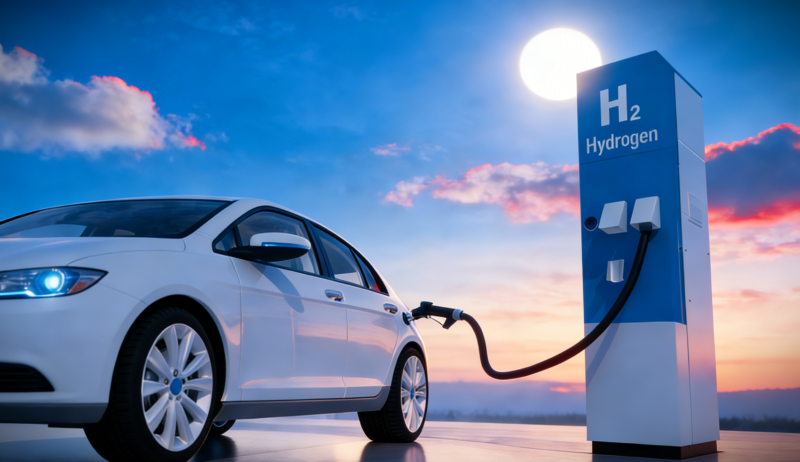
China’s hydrogen fuel cell vehicle sector has reached a notable milestone, with the national fleet now standing at roughly 30,000 units, according to a 2025 industry report. The figures point to steady progress for a segment that has consistently trailed battery-electric vehicles in scale but remains a core pillar of the country’s long-term clean transport strategy.
Perhaps the more consequential number in the report is the localization rate for core components, which has climbed to about 70 percent. That shift matters because fuel cell stacks, membrane electrode assemblies, and hydrogen storage systems were once heavily reliant on imported technology. As domestic suppliers scale up, the cost structure of Chinese fuel cell vehicles should improve, mirroring the trajectory that made battery-electric cars affordable over the past decade.
The fleet figure of around 30,000 vehicles reflects deployment concentrated largely in commercial applications rather than passenger cars. Hydrogen buses, delivery vans, and heavy trucks have been the primary adopters, since they operate on fixed routes where refueling infrastructure can be built more efficiently. Building out hydrogen refueling stations across the country remains one of the largest practical barriers to faster growth.
China has positioned hydrogen as a complement to its battery-electric push rather than a replacement, with policy support aimed at long-haul trucking, public transit, and industrial clusters where fuel cells make the most sense. The 70 percent localization milestone suggests the supply chain is maturing, though questions remain about whether production volumes can rise quickly enough to bring costs down to levels competitive with diesel in heavy-duty use.
Looking ahead, the pace of infrastructure construction and the cost of green hydrogen production will likely determine whether the fleet grows beyond the current base. For now, the report frames hydrogen as a steadily advancing niche within China’s broader new energy vehicle landscape, one whose component ecosystem is increasingly self-sufficient.
What do you think?