
China and EU Reach Hybrid Vehicle Trade Understanding as Brussels Signals Export Cuts
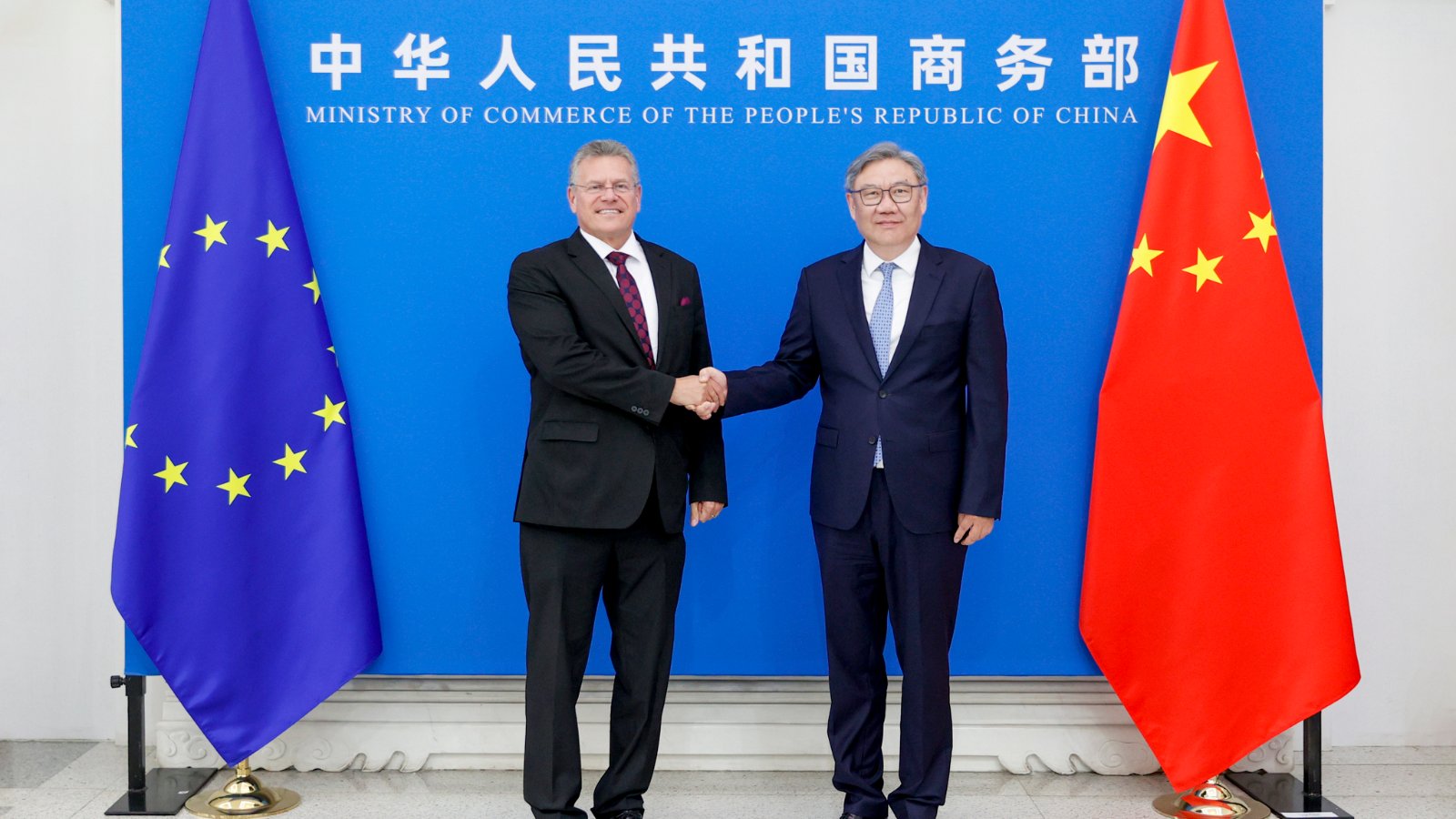
China and the European Union have arrived at a shared understanding on hybrid vehicle trade, a development that both sides are framing as an early step in defusing a widening automotive dispute. The agreement came after two days of talks in Beijing between Chinese Commerce Minister Wang Wentao and EU Trade and Economic Security Commissioner Maros Sefcovic, held on October 8 and 9.
The substance of the deal remains partially opaque. China’s Ministry of Commerce said the understanding emerged from intensive consultations and is compliant with World Trade Organization rules, but did not publish specific figures or terms. Sefcovic, writing on social media platform X, said the arrangement includes halving China’s shipments of hybrid electric vehicles (HEVs) and plug-in hybrid electric vehicles (PHEVs) to the EU. He also pointed to better market access for European firms in China and a further easing of rare earth export licensing, characterizing the outcome as “a first step.”
What Sefcovic’s post did not clarify was the baseline from which that halving would be measured, the timeline for implementation, or the mechanism that would enforce it. Beijing’s own statement made no reference to any reduction target. That gap leaves open questions about how the pledge would translate into practice, and whether it would function as a binding commitment or a political signal.
The talks follow months of escalating tension over hybrid imports. The Financial Times reported in mid-September that the EU had asked China to voluntarily limit hybrid vehicle exports or face the prospect of higher tariffs. China’s commerce ministry pushed back days later, arguing that so-called voluntary export restraints seriously violate WTO rules and that any resolution must respect both international trade law and the domestic laws of each side. Bloomberg subsequently reported that the European Commission was preparing safeguard measures, possibly in the form of tariff-rate quotas, aimed squarely at Chinese hybrids.
Hybrids mark a new front in a trade conflict that began with battery electric vehicles. In October 2024, the EU imposed definitive countervailing duties on China-made BEVs while leaving hybrids outside the scope of those measures. The additional duties at the time ranged from 7.8% to 35.3%, which, stacked on top of the standard 10% import tariff, produced a maximum total rate of 45.3%. Chinese hybrid exports to the bloc then climbed sharply, from 3,800 units in October 2024 to 50,000 by July 2026, even as average prices fell over the same stretch.
The BEV file is not closed either. Both sides will keep working through procedures tied to company price undertakings and reviews in the EU’s anti-subsidy case covering Chinese electric vehicles. They also intend to explore whether tariffs on certain goods could be lowered within the WTO framework, though no products or potential reduction sizes were identified. On supply chains, Beijing said it is prepared to keep facilitating export license approvals for rare earths and permanent magnets headed to the EU through a “green channel” mechanism.
Further talks are already scheduled. A ministerial video conference is planned for January 2027, to be followed by the third meeting of the China-EU trade and investment consultation mechanism in March, where both sides are expected to advance the follow-up work set in motion this week.
What do you think?