
Chevy Raises Blazer EV Price Again, Base 2027 Trim Now Tops $45,000
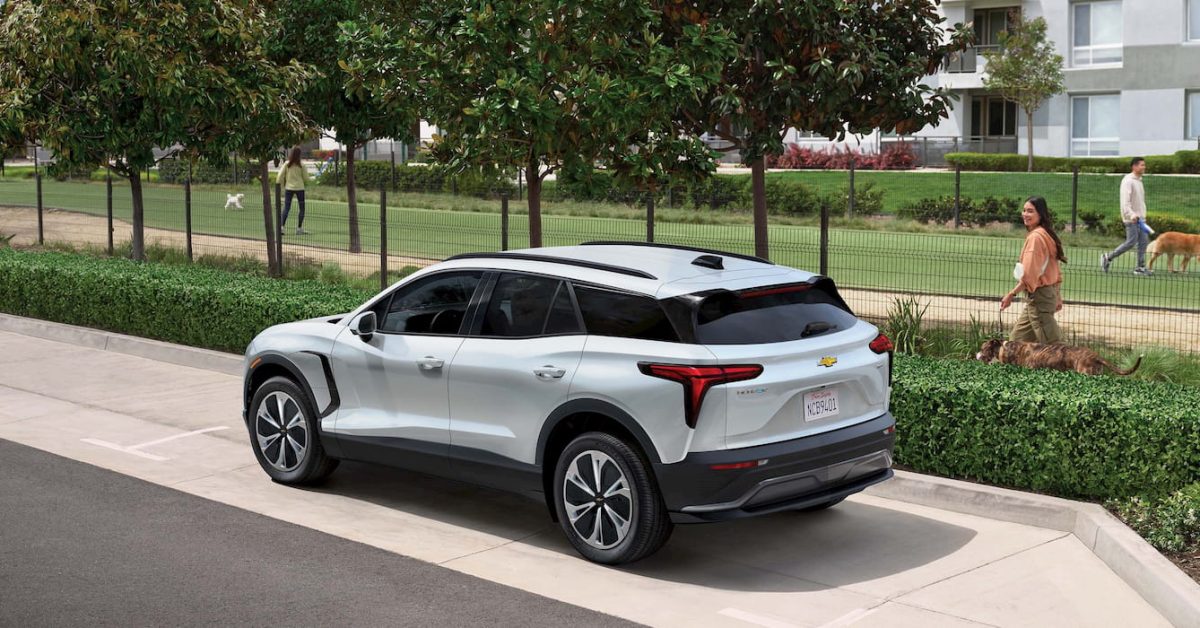
Chevrolet has nudged the Blazer EV’s sticker upward once more for the 2027 model year, and the base LT now asks $45,000 before any fees. Once the mandatory $1,795 destination charge is folded in, the entry point lands at $46,795 — a $300 step up from the 2026 car.
The rest of the ladder follows the same pattern. The sportier RS opens at $52,595 including destination, also $300 steeper than before, while the range-topping SS holds firm at $62,495. Buyers who want all-wheel drive on the LT or RS will need to add $3,000; the SS ships with AWD as standard equipment.
On the hardware side, FWD versions of the LT and RS draw from an 85 kWh pack and are rated for as much as 312 miles of EPA range, dropping to 283 miles when AWD is specified. The SS swaps in a larger 102 kWh battery and is rated for up to 302 miles despite its performance focus. As with other new GM EVs for 2027, the Blazer EV arrives with a native NACS charge port, meaning Tesla Supercharger access no longer requires a separate adapter. Chevrolet has also answered one of the most common owner gripes by making a premium eight-speaker Bose audio system optional on the LT and RS — previously that upgrade was locked to the SS.
Value is where the Blazer EV starts to look exposed. At $46,795, it undercuts none of its obvious rivals: the Tesla Model Y begins around $41,380, the Toyota bZ at roughly $36,575, and the Hyundai IONIQ 5 at about $36,900. Chevrolet’s counterargument is size — the Blazer EV is longer than those crossovers and offers more cabin space, which matters to shoppers hauling families rather than just commuting solo.
The timing is awkward. Chevy moved just 4,427 Blazer EVs through the first three quarters, a 78% collapse from the 20,825 units sold in the same stretch a year earlier, according to Kelley Blue Book figures. That steep decline followed the expiry of the federal $7,500 EV tax credit, which had effectively erased a big chunk of the vehicle’s price disadvantage. With the 2027 cars arriving at dealers, the sharpest discounts are likely to sit on remaining 2026 inventory, making the outgoing model year the more sensible target for anyone weighing a Blazer EV against its cheaper competitors.
What do you think?