
CATL's New Dual-Battery Setup Wants to Fix the Weak Spot in Electric Trucking
CATL has rolled out a two-battery arrangement for heavy-duty trucks, and it addresses a problem that’s quietly been eating into fleet economics: drivers swapping out a leased pack long before it was actually drained.
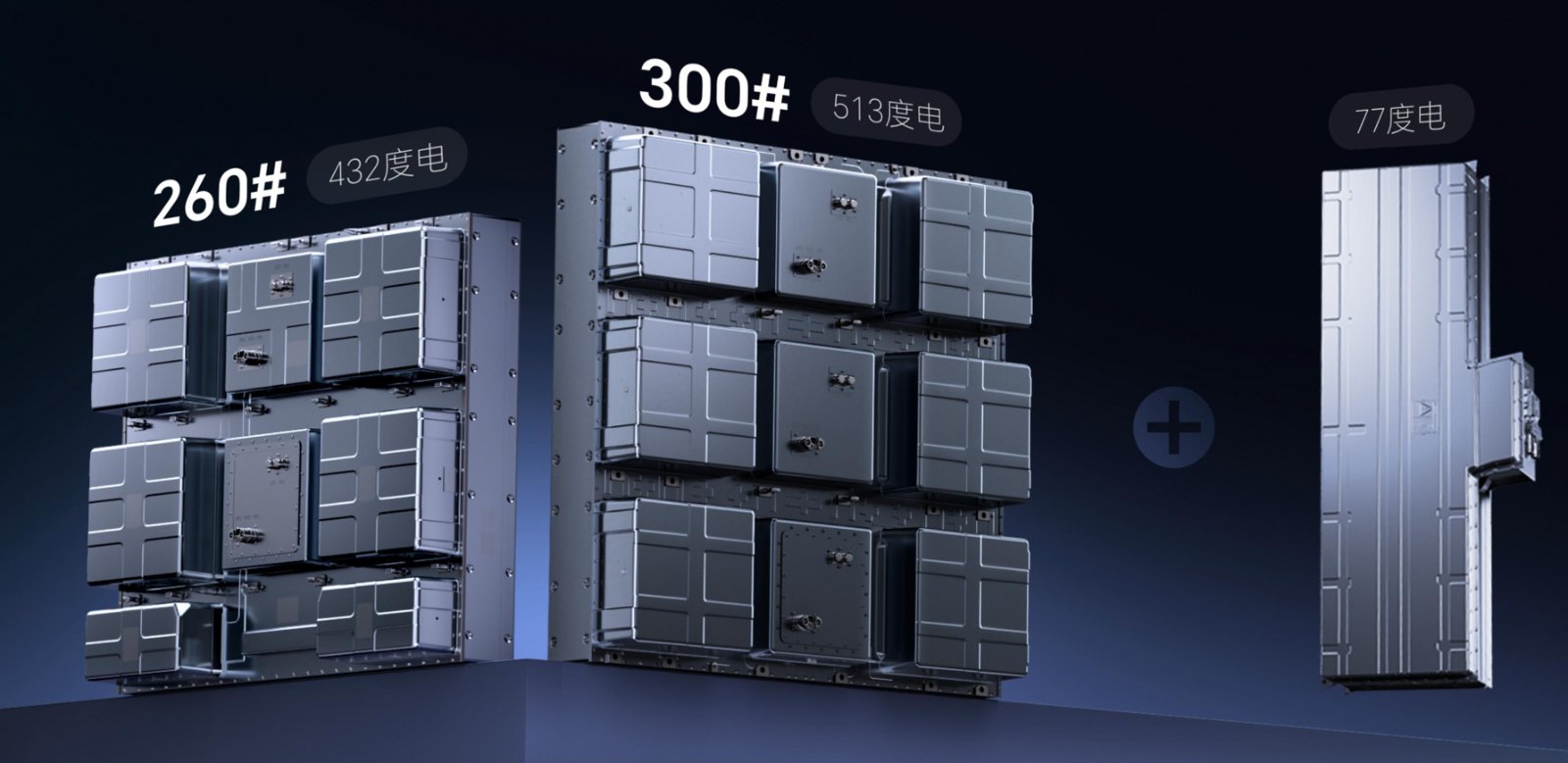
Announced in Beijing, the system combines a standardized, chassis-mounted swappable main battery with a separate 77-kWh range-extension pack tucked behind the cab. That second pack charges at 3C and doubles as backup power.
The logic is straightforward. Truckers using swap stations tend to pull in with roughly 30% charge left, a safety buffer against running dry between stops. Kept too conservative, though, that habit leaves a chunk of paid-for battery capacity sitting idle. CATL says its backup pack lifts the main battery’s usable depth of discharge from about 70% to over 95%, so rigs can arrive with under 5% remaining in the primary unit.
Switching between the two happens in milliseconds, according to the company — enough to keep power flowing without a hiccup when conditions get rough. It’s branded internally as a “1+X” layout: the main pack stays standardized for the Qiji swap network, while the extension unit can be specced for cold-weather performance, energy density or outright power.
Two Packs, Two Budget Lines
Because the two systems upgrade independently, fleets get some financial breathing room. The range-extension battery stays on the truck as a fixed asset. The main pack, by contrast, can be leased to match seasonal freight volumes — cheaper when business is slow, bigger when it isn’t.
Alongside the dual-battery reveal, Qiji added two standardized swappable packs: the 260# at 432 kWh and the 300# at 513 kWh, slotting in above the existing 75# unit.
Key Specs: 432 kWh (260#) or 513 kWh (300#) swappable main pack · 77 kWh range-extension battery · 3C charging on the auxiliary pack · 5-minute battery swap · 10% lower station construction cost
The next-generation swap station, per CATL, turns a pack around in five minutes and shaves 10% off build costs. No excavation pit is needed, and a site can be up and running in as little as five days.
There’s a billing tweak too. Battery-as-a-service customers will now be charged on net energy drawn rather than energy discharged, which lets them keep the upside from regenerative braking. On basic plans, CATL reckons that cuts per-kWh rental costs by as much as 20%.
Stations, Orders and a Fast-Moving Market
The infrastructure plan is aggressive. CATL wants 900 heavy-truck swap stations live by the close of 2026, doubling to 2,000 in 2027, with a long-range target of 10,000 sites across China alongside partners.
Demand appears to be there. Agreements covering 13,000 vehicles were signed at the Beijing event, with orders from logistics heavyweights including SF Holding and China Postal Express & Logistics.
The backdrop explains the urgency. New energy heavy-duty trucks reached 50% of the segment in September, up from 29% a year earlier, based on CPCA analysis of compulsory traffic insurance figures.
CATL’s truck-swapping ambitions are not new. Qiji Energy launched in June 2023, the 75# standardized pack followed in May 2025, and a strategic deal with J&T Express signed on June 30 covers more than 5,000 heavy-duty trucks with batteries, station equipment plus operations and maintenance.
Beyond the dual-battery system, the company also showed packs for other duty cycles — ultra-light and ultra-thin units mounted behind the cab, plus chassis-mounted options for short- and long-haul routes. The message is clear enough: electric freight is no longer a pilot project, and CATL intends to own the plumbing.
Source: CnEVPost - Battery
Curious how this compares to other EVs? Try our comparison tool →What do you think?